#fast4earth

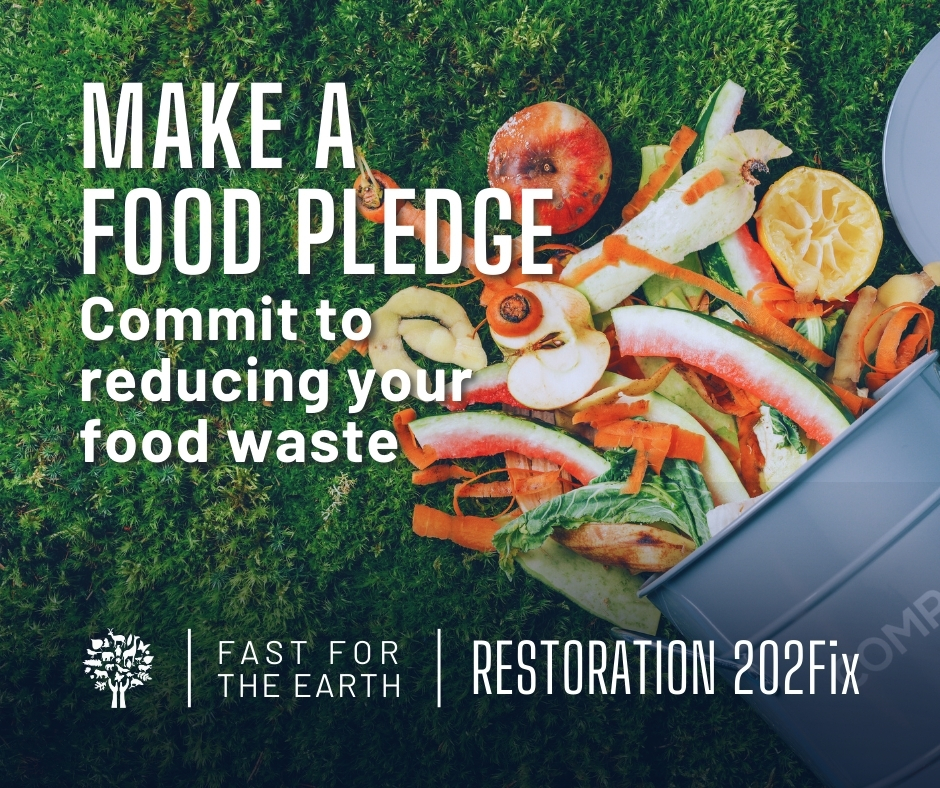
Pledge to reduce food waste

“When they had all had enough to eat, he said to his disciples, ‘Gather the pieces that are left over. Let nothing be wasted.’” – John 6:12 Lent is a season of intentional living. It invites us to slow down, to reflect, and to realign our daily habits with the values of the Kingdom of God. In the story of the feeding of the five thousand, Jesus performs a miracle of abundance — yet he commands the disciples to gather the leftovers so that nothing is wasted. Even in abundance, waste has no place in God’s economy. Today, food waste is a global crisis. Vast amounts of edible food are discarded while millions go hungry. Wasted food also wastes water, energy, land, and labour. When food ends up in landfill, it produces methane, a powerful greenhouse gas that contributes to climate change. Reducing food waste is therefore both an act of compassion and an act of environmental stewardship. A Lenten “Food Pledge” can become a meaningful spiritual discipline. It might begin with planning meals carefully, buying only what is needed, and storing food properly. It could include cooking smaller portions, creatively using leftovers, sharing surplus with neighbours, or composting food scraps. These simple practices honour the resources God has provided. Lent traditionally calls us to fasting, prayer, and generosity. Reducing food waste connects all three. We fast from excess consumption. We pray with gratitude for daily bread. We give by ensuring that food is shared rather than discarded. Making a food pledge during Lent reminds us that every meal is sacred. Each loaf, fruit, and grain carries the gift of God’s provision and the labour of many hands. This season, let us hear Jesus’ words afresh: “Let nothing be wasted.” In caring for food, we care for people — and for the earth that sustains us.

Pledge to reduce food waste Read More »
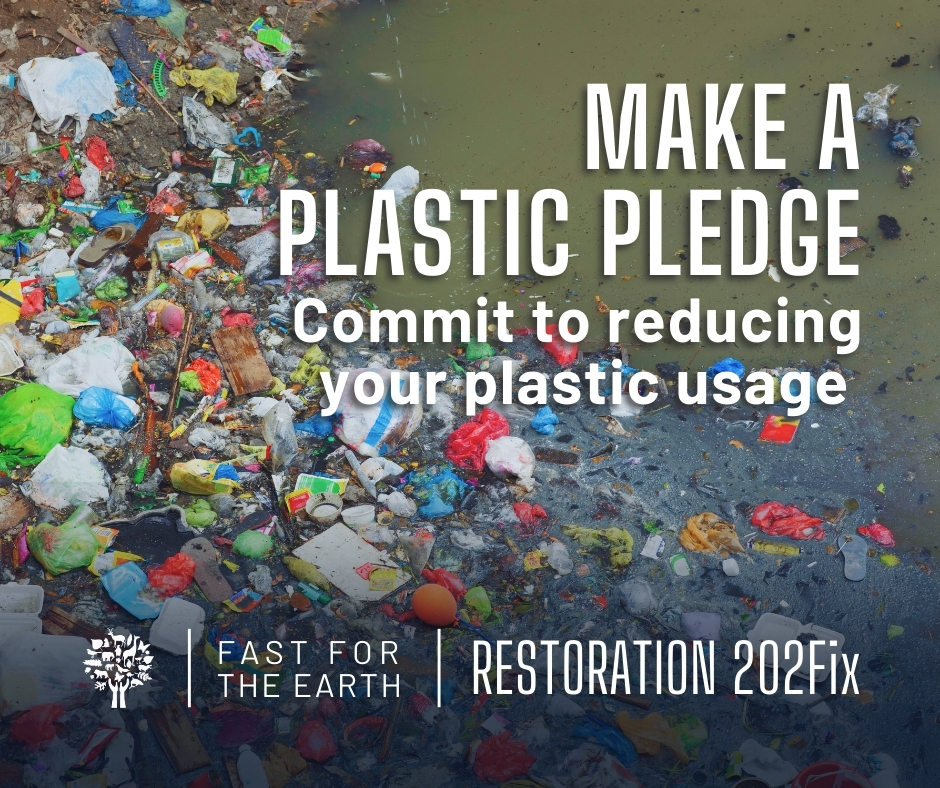
Pledge to use less plastic

“The earth is the Lord’s, and everything in it.” – Psalm 24:1 Lent is a season of reflection, repentance, and renewal. It is a time when Christians examine their lives and consider how they are living in relationship with God, with one another, and with creation. Psalm 24 reminds us that the earth does not belong to us — it belongs to God. We are caretakers, not owners. Reducing our use of plastic during Lent can therefore become a meaningful spiritual practice. Plastic pollution is one of the most urgent environmental challenges of our time. Single-use plastics clog rivers, pollute oceans, harm wildlife, and break down into microplastics that enter our food and water. The convenience we enjoy for a few minutes can damage ecosystems for hundreds of years. When we reflect on Christ’s call to love our neighbour, we must include those most affected by pollution — often poorer communities living near landfills or polluted waterways. Lent traditionally involves giving something up, not as punishment, but as a way of creating space for deeper faithfulness. Choosing to reduce plastic — by refusing single-use bags and bottles, carrying reusable containers, avoiding over-packaged goods, and recycling responsibly — becomes a practical act of discipleship. It trains us in mindfulness and self-restraint, virtues at the heart of the Lenten journey. Reducing plastic also aligns with the spirit of simplicity that Lent encourages. It invites us to question our patterns of consumption and to live more gently on the earth. Small daily choices, repeated over forty days, can form new habits that last long after Easter. Look at the areas of your life where you are using too much plastic and see what you can do to reduce This Lent, let us honour the Creator by caring for creation. In reducing plastic, we bear witness to a faith that is not only prayed — but lived.

Pledge to use less plastic Read More »

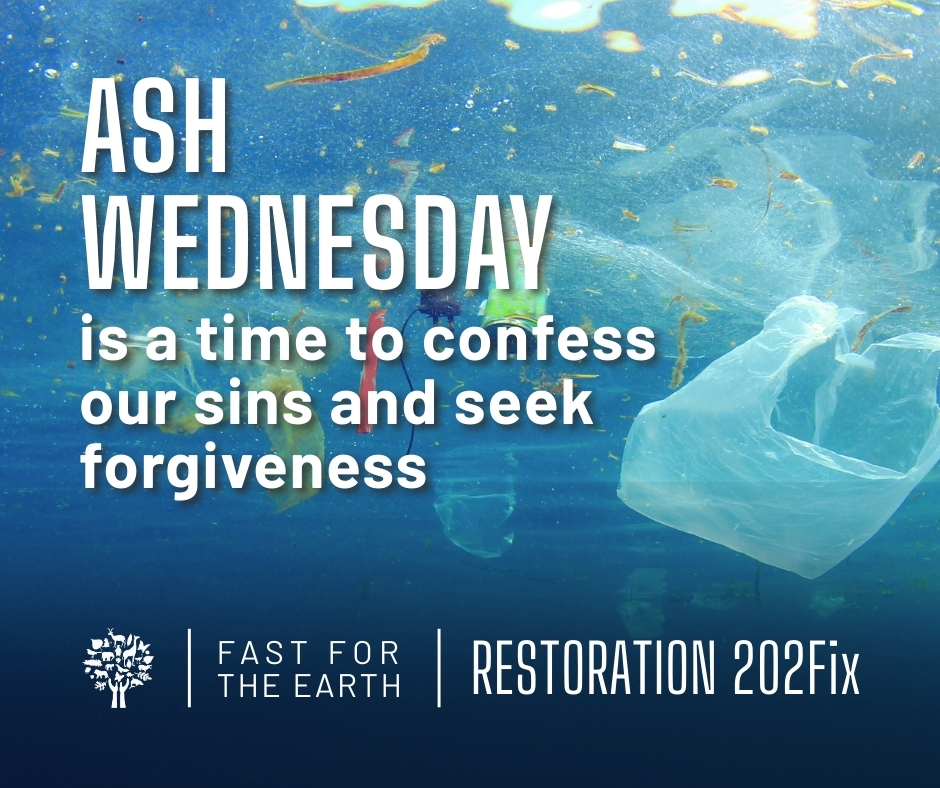
Ash Wednesday 2026

From Soil You Come, to Soil You Will Return ~ Genesis 3:19 (adapted) In a time of climate crisis, this biblical truth speaks with renewed urgency. If we come from soil, then the degradation of land, erosion, pollution, and extractive practices are not just environmental issues — they are spiritual ones. When soil is poisoned or stripped of life, something sacred is harmed. The ground that feeds us, holds water, and sustains ecosystems is a gift entrusted to our care. Each year on Ash Wednesday, Christians hear the solemn words: “Remember that you are dust, and to dust you shall return.” These words echo Genesis 3:19 and remind us of a profound truth: we are earth creatures. We come from the soil, and to the soil we will return. This is not a message of despair, but of belonging. In Genesis 2:7, God forms humanity from the dust of the ground and breathes life into it. We are both earth and breath — matter and spirit woven together. The soil is not separate from us; it is part of our story, our bodies, and our future. To remember that we return to soil is also to embrace humility. We are not masters of the earth, but participants in its cycles. Our lives are brief, but the earth endures. The soil receives kings and labourers alike, reminding us of our shared fragility and equality. Yet soil is also a place of hope. Seeds are buried in darkness and rise in new life. The Christian story proclaims resurrection — that death is not the final word. Even in returning to the earth, we trust in God’s renewing power. “From soil you come, to soil you will return” calls us to live gently, gratefully, and justly — honouring the earth from which we were formed and to which we belong.

Ash Wednesday 2026 Read More »

Palm Sunday 2025

The wind blows where it wishes and you hear its sound – John 3:8 Waving of palm branches – wind The Wind Blows Where It Wishes: A Call for Renewable Energy and a Just Transition In John 3:8, Jesus says, “The wind blows where it wishes, and you hear its sound, but you do not know where it comes from or where it goes. So it is with everyone who is born of the Spirit.” This verse reminds us of the mysterious yet powerful movement of the Holy Spirit. Just as the wind moves freely, shaping the world around us, so too should our energy choices reflect God’s wisdom and care for creation. Renewable Energy: A Gift from God God has provided us with abundant natural resources—wind, sun, and water—that can sustain our energy needs without harming His creation. Unlike fossil fuels, which pollute the air, damage ecosystems, and contribute to climate change, renewable energy sources are clean and sustainable. Harnessing wind and solar power allows us to care for the Earth while ensuring a better future for generations to come. The Need for a Just Transition As we move towards renewable energy, it is essential to ensure that this transition is just and fair, especially for those whose livelihoods depend on traditional energy industries. Many workers and communities rely on coal, oil, and gas jobs, and a just transition means providing them with new opportunities, training, and economic support. The Bible calls us to seek justice and care for the vulnerable (Micah 6:8). We must ensure that no one is left behind as we shift to cleaner energy sources. Our Role as Christians Advocate for Clean Energy Policies – Support initiatives that promote renewable energy and environmental justice. Conserve Energy – Reduce waste by using energy-efficient appliances and simple habits like turning off lights. Support Ethical Companies – Choose businesses that invest in sustainable and fair energy solutions. Pray and Act – Ask God for wisdom in caring for His creation and take steps to live more sustainably.

Palm Sunday 2025 Read More »

Unplug and Play

“Train up a child in the way he should go, and when he is old he will not depart from it” – Proverbs 22:6 he Importance of Family Game Time: Strengthening Bonds & Reducing Screen Time As Christian parents, we are called to nurture and guide our children in ways that honor God (Proverbs 22:6). One of the best ways to do this is by spending quality time together as a family. In today’s digital age, screens often dominate our lives, pulling us away from meaningful interactions. While technology has its benefits, too much screen time can harm our children’s health, relationships, and spiritual well-being. The Dangers of Too Much Screen TimeExcessive screen time can lead to several negative effects, including: Weakened Family Bonds – When everyone is glued to their devices, real conversations and connections suffer. Physical Health Issues – Prolonged screen use can contribute to poor posture, eye strain, sleep disturbances, and a lack of physical activity. Emotional and Mental Impact – Studies show excessive screen time can lead to anxiety, depression, and difficulty concentrating. Spiritual Disconnection – Too much screen time can distract from prayer, Bible study, and living out faith-centered values in daily life.   The Solution: Playing Games as a Family One of the best ways to limit screen time is by engaging in fun, interactive family activities. Playing games together strengthens bonds, creates joyful memories, and teaches valuable life lessons. Consider these ideas: Board Games & Card Games – These encourage teamwork, strategy, and communication while keeping entertainment screen-free. Outdoor Games & Sports – Playing tag, soccer, or backyard challenges promotes physical activity and laughter. Bible Trivia & Faith-Based Games – Strengthen your family’s knowledge of Scripture in a fun and engaging way. Storytelling & Role-Playing Games – Encouraging creativity and imagination helps develop problem-solving skills and emotional intelligence. Cooking or Puzzle Challenges – Working together to complete a fun task fosters teamwork and patience. Setting Healthy Boundaries Create “Screen-Free” Family Nights – Dedicate one or more nights each week to unplugged family time. Lead by Example – Show children that meaningful relationships are built through presence, not just technology. Encourage Outdoor & Social Activities – Support hobbies, sports, and church events that promote real-world interaction. By prioritizing family game time, we build stronger relationships, teach godly values, and create lasting memories. Let’s invest in what truly matters—our faith, family, and the love we share. 🎲🙏🏡

Unplug and Play Read More »

Lights out, Romance in

  “And above all these put on love, which binds everything together in perfect harmony”. – Colossians 3:14 As young Christians, we are called to love not only each other but also God’s creation (Genesis 1:26-28). One way to honor this is by making our relationships more environmentally friendly. Love and romance don’t have to be wasteful—simple, thoughtful, and sustainable choices can make a big difference. Romantic & Eco-Friendly Ideas Candlelit Dinners – Save electricity by having a romantic dinner by candlelight. It creates a cozy, intimate atmosphere while reducing energy consumption. Choose natural, non-toxic soy or beeswax candles for a more eco-friendly touch. Outdoor Dates – Enjoy God’s creation together! Have a picnic in the park, go for a sunset walk, or hike a scenic trail. Fresh air and natural beauty make for unforgettable moments. Homemade Meals & Local Ingredients – Cooking together at home using fresh, local ingredients is not only romantic but also reduces carbon footprints from packaged and transported foods. Plant a Tree Together – Symbolize your growing love by planting a tree. It’s a meaningful way to give back to nature while creating something that lasts. Handwritten Love Letters – Instead of buying cards, write heartfelt letters on recycled paper. Personal, meaningful, and waste-free! Eco-Friendly Gifts – Instead of material gifts, opt for experiences like a concert, a museum visit, or volunteering together. If giving gifts, choose sustainable options like potted plants, reusable items, or ethical products. Digital Over Paper – Send digital love notes instead of printed ones, and make use of technology for virtual date nights when apart. By making these small changes, we can nurture love while honoring God’s creation. True love isn’t about extravagance—it’s about being thoughtful, intentional, and responsible. Let’s love each other and the Earth as God intended. 💚🌎✨

Lights out, Romance in Read More »