
“When they had all had enough to eat, he said to his disciples, ‘Gather the pieces that are left over. Let nothing be wasted.’” – John 6:12
Lent is a season of intentional living. It invites us to slow down, to reflect, and to realign our daily habits with the values of the Kingdom of God. In the story of the feeding of the five thousand, Jesus performs a miracle of abundance — yet he commands the disciples to gather the leftovers so that nothing is wasted. Even in abundance, waste has no place in God’s economy.
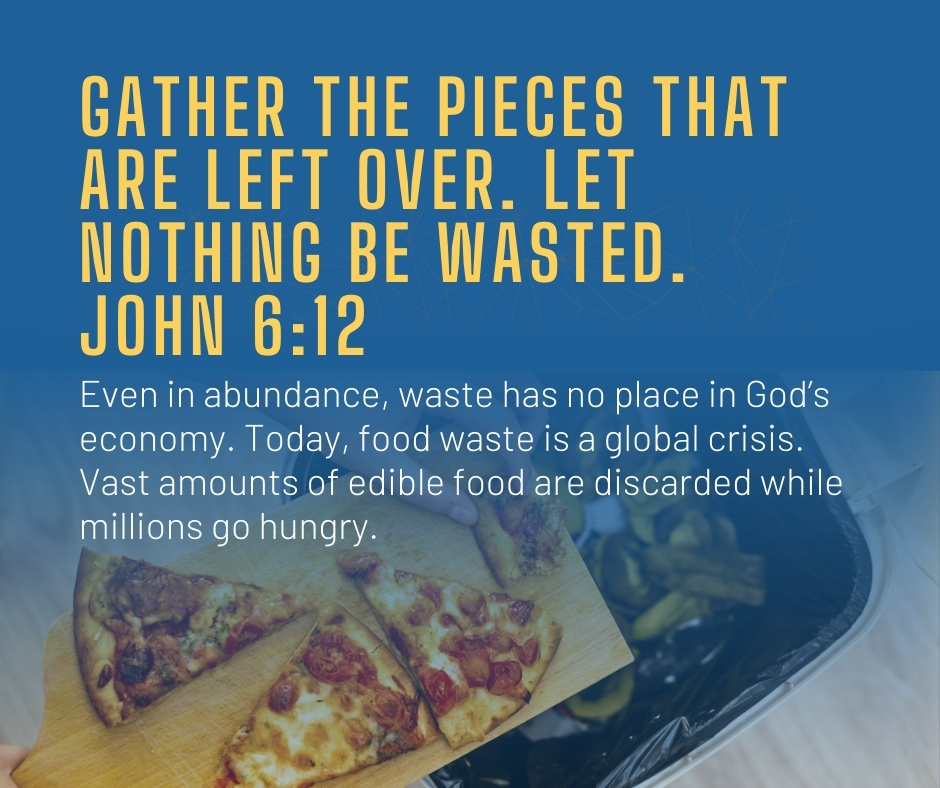
Today, food waste is a global crisis. Vast amounts of edible food are discarded while millions go hungry. Wasted food also wastes water, energy, land, and labour. When food ends up in landfill, it produces methane, a powerful greenhouse gas that contributes to climate change. Reducing food waste is therefore both an act of compassion and an act of environmental stewardship.
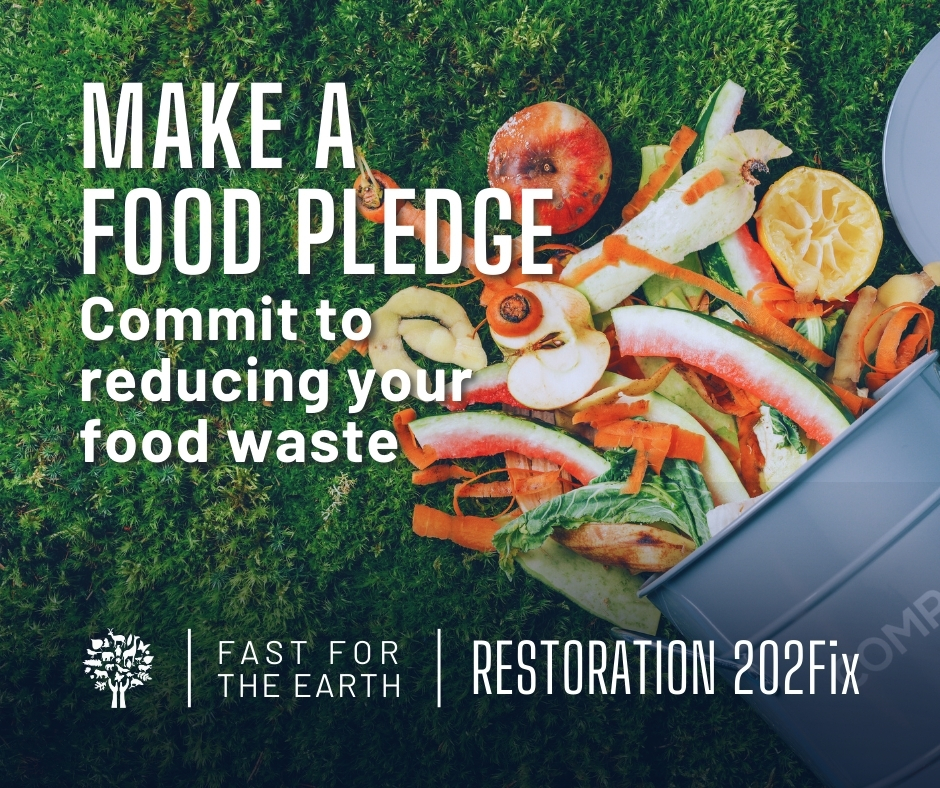
A Lenten “Food Pledge” can become a meaningful spiritual discipline. It might begin with planning meals carefully, buying only what is needed, and storing food properly. It could include cooking smaller portions, creatively using leftovers, sharing surplus with neighbours, or composting food scraps. These simple practices honour the resources God has provided.
Lent traditionally calls us to fasting, prayer, and generosity. Reducing food waste connects all three. We fast from excess consumption. We pray with gratitude for daily bread. We give by ensuring that food is shared rather than discarded.
Making a food pledge during Lent reminds us that every meal is sacred. Each loaf, fruit, and grain carries the gift of God’s provision and the labour of many hands. This season, let us hear Jesus’ words afresh: “Let nothing be wasted.” In caring for food, we care for people — and for the earth that sustains us.