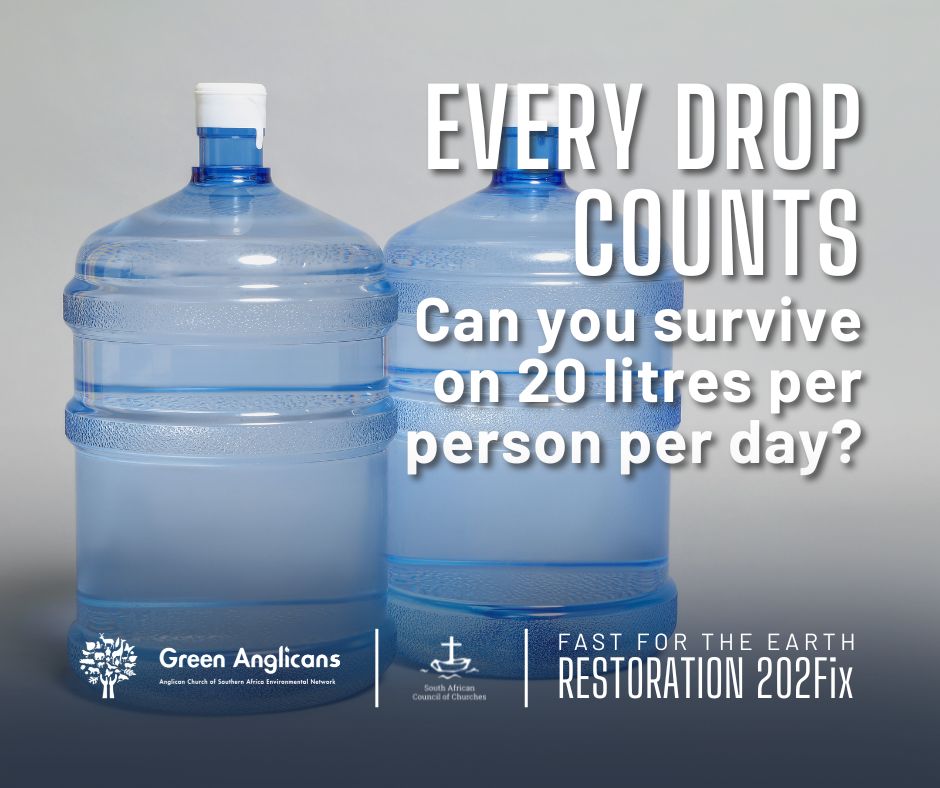
Every Drop Counts
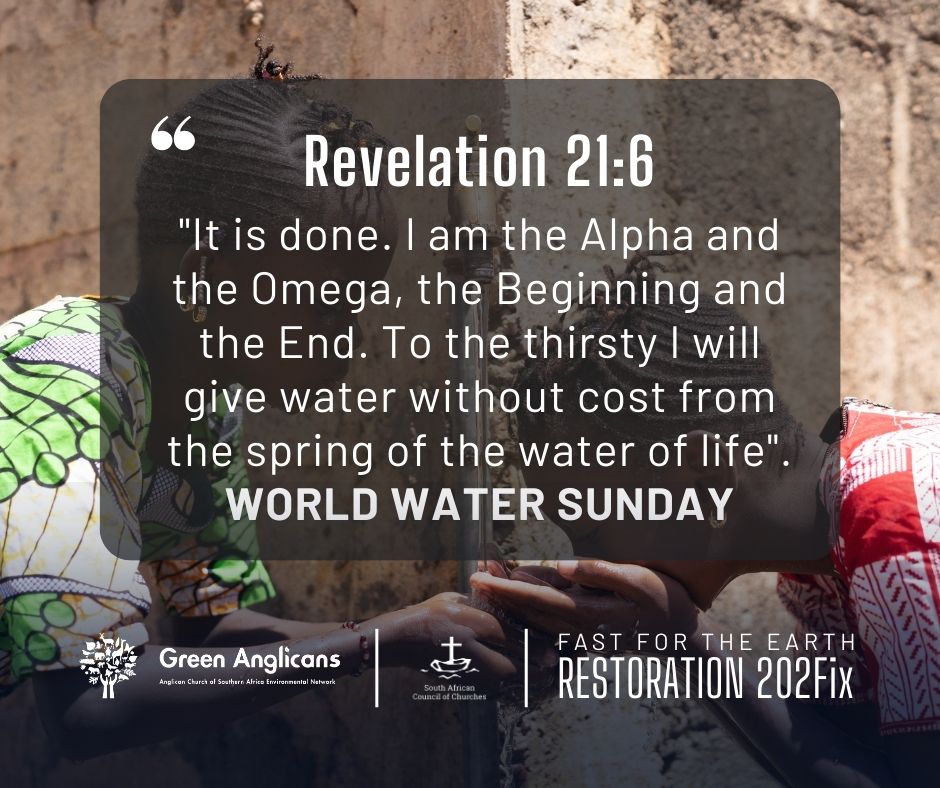
“The poor and needy search for water, but there is none; their tongues are parched with thirst.But I the Lord will answer them; I, the God of Israel, will not forsake them.” – Isaiah 41:17 Lent is a season when Christians pause to reflect on how we live and how our choices affect others and God’s creation. One way to deepen this reflection is to think about something many of us take for granted every day: water. Globally, water scarcity is becoming one of the most serious environmental challenges of our time. According to the World Health Organization, about 20 litres of water per person per day is the minimum amount needed to meet basic human needs such as drinking, cooking, and hygiene. Yet for millions of people around the world, this is all the water they have for an entire day. Twenty litres is roughly one bucket or jerrycan. Imagine using just that one container of water for everything: drinking, cooking food, washing hands, cleaning dishes, and bathing. In many communities, especially in low-income regions, people must also walk long distances to collect this water from communal taps, wells, or rivers. Meanwhile, people in wealthier countries often use hundreds of litres of water each day through long showers, washing machines, garden irrigation, and other conveniences. This inequality reminds us that water is not only an environmental issue but also a matter of justice. During Lent we are invited to practice restraint and gratitude. Reflecting on the preciousness of water can help us change our habits—using water wisely, avoiding waste, and protecting the sources that sustain life. Even small actions, like reducing unnecessary consumption or avoiding products that pollute rivers and oceans, become acts of care for our neighbours and for creation. Water is a gift from God, essential for life itself. When we treat it with respect and gratitude, we honour both the Creator and the communities who depend on this fragile and precious resource every day. 💧