#fast4earth

Every Drop Counts

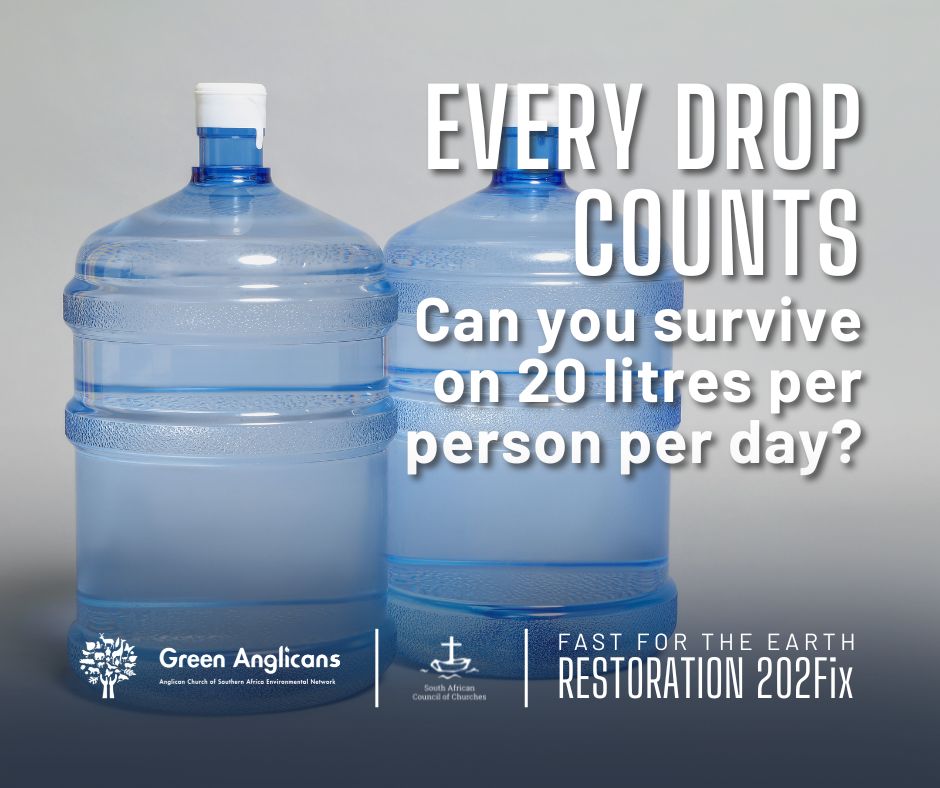
 “The poor and needy search for water, but there is none; their tongues are parched with thirst.But I the Lord will answer them; I, the God of Israel, will not forsake them.” – Isaiah 41:17 Lent is a season when Christians pause to reflect on how we live and how our choices affect others and God’s creation. One way to deepen this reflection is to think about something many of us take for granted every day: water. Globally, water scarcity is becoming one of the most serious environmental challenges of our time. According to the World Health Organization, about 20 litres of water per person per day is the minimum amount needed to meet basic human needs such as drinking, cooking, and hygiene. Yet for millions of people around the world, this is all the water they have for an entire day. Twenty litres is roughly one bucket or jerrycan. Imagine using just that one container of water for everything: drinking, cooking food, washing hands, cleaning dishes, and bathing. In many communities, especially in low-income regions, people must also walk long distances to collect this water from communal taps, wells, or rivers. Meanwhile, people in wealthier countries often use hundreds of litres of water each day through long showers, washing machines, garden irrigation, and other conveniences. This inequality reminds us that water is not only an environmental issue but also a matter of justice. During Lent we are invited to practice restraint and gratitude. Reflecting on the preciousness of water can help us change our habits—using water wisely, avoiding waste, and protecting the sources that sustain life. Even small actions, like reducing unnecessary consumption or avoiding products that pollute rivers and oceans, become acts of care for our neighbours and for creation. Water is a gift from God, essential for life itself. When we treat it with respect and gratitude, we honour both the Creator and the communities who depend on this fragile and precious resource every day. 💧
Every Drop Counts Read More »

SINGLE USE vs REUSABLE

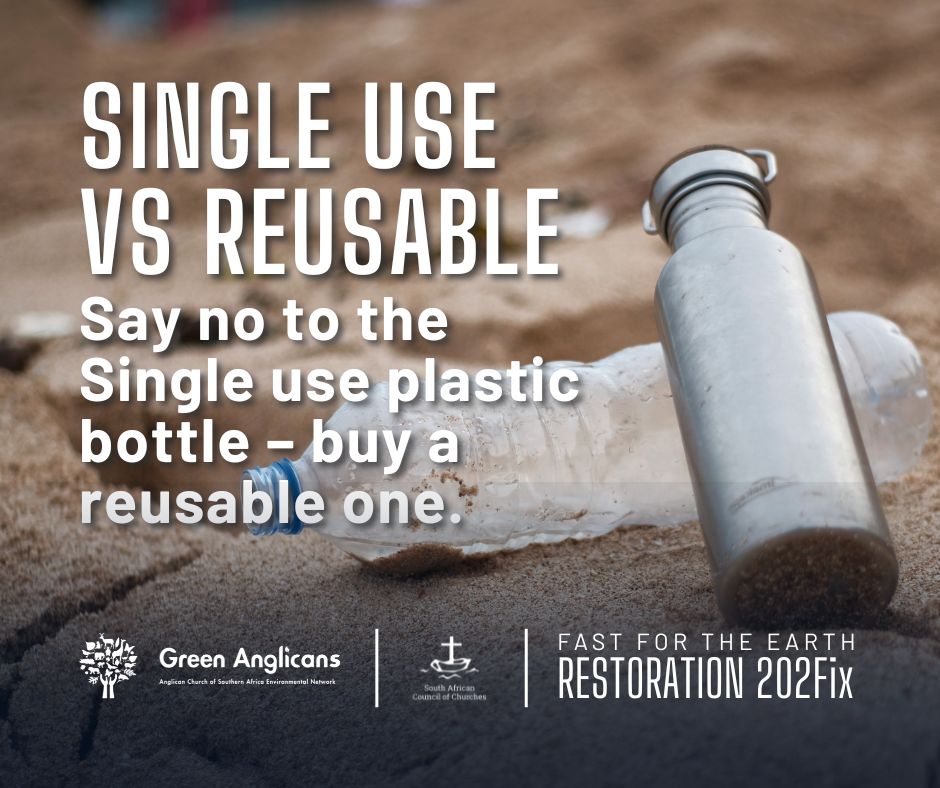
“We know that the whole creation has been groaning in labor pains until now.” – Romans 8:22 Lent is traditionally a season of reflection, repentance, and simple living. Christians often give up small comforts to draw closer to God and to remember our responsibility toward others. In our time, one meaningful Lenten practice could be giving up single-use plastic bottles—not only for forty days, but as a permanent commitment to care for creation. Recent research highlights how serious the problem of plastic bottles has become. One article explains that hundreds of billions of plastic bottles are used globally each year, yet only a small portion are recycled. Many end up in landfills, rivers, and oceans where they may take hundreds or even thousands of years to break down. As they degrade, they release microplastics, tiny particles that contaminate soil, water, and even the food we eat. Another report notes that the problem is particularly severe in low-income countries. Waste management systems are often under-resourced, meaning plastic bottles are frequently burned, dumped in open spaces, or washed into waterways. This pollution harms ecosystems, contaminates drinking water, and can affect human health through toxins released from plastic waste. A third study also highlights the health and environmental impacts of growing plastic waste. Plastic pollution contributes to air pollution when burned, and chemicals from plastics can seep into water sources. Communities that already face poverty and limited services often bear the greatest burden of this pollution. For Christians, these realities challenge us spiritually. Scripture teaches that the Earth is God’s creation and that humans are called to tend and care for it (Genesis 2:15). When our daily habits create waste that harms people and ecosystems, we must ask how we can live more faithfully. Giving up plastic bottles during Lent can therefore become a spiritual discipline. It reminds us to consume less, to think about the impact of our choices, and to stand in solidarity with communities affected by pollution. Fortunately, alternatives are simple and accessible. Many people now use reusable stainless-steel or glass water bottles that can be refilled throughout the day. Carrying a refillable bottle reduces waste dramatically. In places where tap water is unsafe, water filters, refill stations, or large reusable water containers can reduce dependence on single-use plastics. Even small habits—refilling a bottle before leaving home or supporting businesses that provide water refill points—can make a difference. Lent invites us to begin practices that lead to lasting transformation. Giving up single-use plastic bottles is not just a temporary sacrifice but a step toward a more just and sustainable way of living. By choosing reuse over waste, we honour God’s creation and protect the wellbeing of communities and ecosystems for generations to come. 🌍💧

SINGLE USE vs REUSABLE Read More »

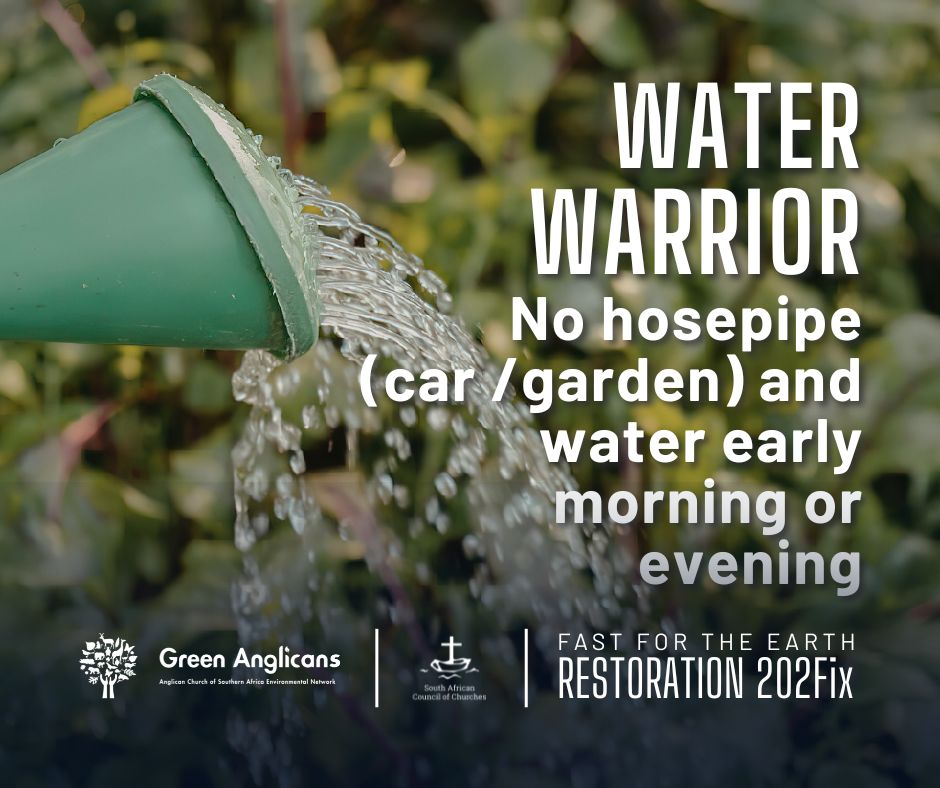
Water Warrior

“He sends springs into the valleys; they flow between the hills; they give drink to every beast of the field; the wild donkeys quench their thirst.” — Psalm 104:10–11 Lent is a season of reflection, renewal, and intentional living. It invites us to pause and consider how our everyday actions align with God’s call to care for creation and our neighbours. One simple yet powerful way to live intentionally this Lent is by treasuring and conserving water—a gift that sustains all life and nourishes both body and spirit. Psalm 104:10–11 reminds us that water is a source of life for all creatures. When we waste water, we not only harm the planet, we also disregard a sacred resource entrusted to us. Every drop counts. This Lent, here are practical ways to save water at home: Top 15 Water-Wise Garden Tips Water early or late to reduce evaporation. Use a bucket or watering can instead of a hose. Install a drip irrigation system to deliver water directly to roots. Collect rainwater with barrels or water butts. Mulch plants to retain soil moisture. Choose native or drought-tolerant plants. Water at the soil level, avoiding leaves. Group plants by water needs. Fix leaks in taps and hoses immediately. Reuse greywater safely (from washing vegetables, rice, or bathing without soap). Reduce lawn areas and replace with shrubs or groundcovers. Use permeable surfaces to allow water to soak into the soil. Monitor soil moisture and only water when needed. Plant in raised beds or containers to control watering. Maintain healthy soil rich in organic matter to retain moisture. 3 Water-Saving Tips for Washing Your Car Use a bucket instead of a hose to wash your car. Wash on grass or gravel so water soaks into the ground. Use a trigger nozzle on the hose to control water flow. During Lent, let us see water as more than a utility—it is a sacred gift from God, vital to our physical health and a reminder of spiritual refreshment. By making small changes to reduce waste, re-use water, and adopt smart practices in our gardens and daily routines, we honour God, care for creation, and set an example of stewardship for our families and communities. This Lent, let every drop you save be a prayer in action, connecting faith with daily care for the Earth. 💧🌿

Water Warrior Read More »

Repurpose water!

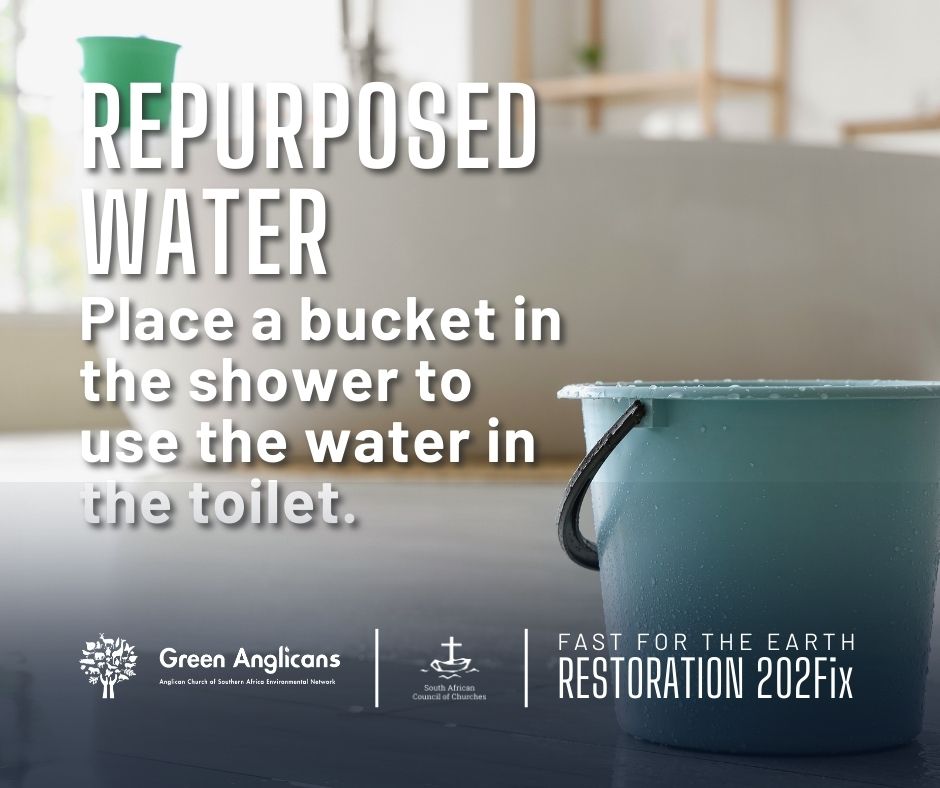
Psalm 113:3 reminds us that every moment of the day—from the first light of morning to the colours of evening—is an opportunity to praise God. Yet many of us rush through our days without noticing these quiet moments of wonder. During Lent, why not make a small commitment to experience one sunrise in nature? Set your alarm a little earlier than usual and step outside while the world is still quiet. Watch as the sky slowly fills with colour and the light spreads across the landscape. It can be a deeply peaceful moment for prayer and gratitude. You might even plan a simple sunrise prayer followed by a picnic breakfast or a gentle walk. If you are not an early riser, you can do the same at sunset. Simply look up the sunset time and plan to step outside or visit a nearby park, beach, or open space. The changing colours of the sky can be just as beautiful and just as prayerful. This can also be a wonderful activity to share with children. Take them along for a sunrise walk or a sunset outing and help them notice the beauty of the sky, the birds waking up, or the calm of the evening. These small experiences can nurture a lifelong love for God’s creation. Even if you cannot go far, you can still take part. Sit by your window, watch the light appear, and offer a simple prayer of thanks. Take a photo of the sunrise or sunset and keep it as a reminder of God’s faithfulness. From sunrise to sunset, creation invites us to praise. Psalm 113:3 reminds us that every moment of the day—from the first light of morning to the colours of evening—is an opportunity to praise God. Yet many of us rush through our days without noticing these quiet moments of wonder. During Lent, why not make a small commitment to experience one sunrise in nature? Set your alarm a little earlier than usual and step outside while the world is still quiet. Watch as the sky slowly fills with colour and the light spreads across the landscape. It can be a deeply peaceful moment for prayer and gratitude. You might even plan a simple sunrise prayer followed by a picnic breakfast or a gentle walk. If you are not an early riser, you can do the same at sunset. Simply look up the sunset time and plan to step outside or visit a nearby park, beach, or open space. The changing colours of the sky can be just as beautiful and just as prayerful. This can also be a wonderful activity to share with children. Take them along for a sunrise walk or a sunset outing and help them notice the beauty of the sky, the birds waking up, or the calm of the evening. These small experiences can nurture a lifelong love for God’s creation. Even if you cannot go far, you can still take part. Sit by your window, watch the light appear, and offer a simple prayer of thanks. Take a photo of the sunrise or sunset and keep it as a reminder of God’s faithfulness. From sunrise to sunset, creation invites us to praise. Isaiah 12:3 reminds us that water is a source of life and joy, connecting the physical with the spiritual. When we waste water, we not only harm the planet, we also disregard a sacred resource entrusted to us. Every drop counts. This Lent, here are 10 practical ways to save water at home: Collect Cold Shower Water – Place a bucket in the shower to catch water while waiting for it to heat. Use it for flushing the toilet or cleaning. Install Low-Flow Fixtures – Use low-flow showerheads, taps, and toilets to reduce water use without losing comfort. Fix Leaks Immediately – A dripping tap or leaking pipe can waste dozens of litres of water per day. Shorten Showers – Reducing shower time by even 2–3 minutes can save hundreds of litres per month. Turn Off Taps When Not in Use – Don’t leave the tap running when brushing teeth, washing hands, or scrubbing dishes. Reuse Greywater – Water from washing vegetables, rinsing rice, or bathing (without soap) can be reused for cleaning. Use a Dishwasher Efficiently – Only run dishwashers and washing machines with full loads, and choose eco-settings when available. Harvest Rainwater – Collect rainwater for gardening, car washing, or other non-drinking uses. Choose Water-Efficient Landscaping – Plant drought-tolerant or native plants, and minimize large lawns to reduce outdoor water use. Be Mindful of Daily Habits – Small conscious choices, like turning off taps while scrubbing or rinsing, add up to significant savings. During Lent, let us see water as more than a utility—it is a sacred gift from God, vital to our physical health and a reminder of spiritual refreshment. By making small changes to reduce waste and re-use water, we honour God, care for creation, and set an example of stewardship for our families and communities. This Lent, let every drop you save be a prayer in action, connecting faith with daily care for the Earth.

Repurpose water! Read More »

Lentils for Lent

“He makes grass grow for the cattle, and plants for people to cultivate—bringing forth food from the earth: wine that gladdens human hearts, oil to make them shine, and bread that sustains their hearts.” — Psalm 104:14–15 Meat Free Monday is a simple way to care for your health, the environment, and your spiritual life. This week, we celebrate lentils, a nutritious, versatile, and planet-friendly food. Lentils are packed with protein, fibre, and essential nutrients, making them a perfect alternative to meat. Choosing plant-based meals also reduces the environmental impact of our diets and honours God’s gift of creation. Here are three delicious recipes to try this Meat Free Monday: Lentil Soup Ingredients: 1 cup red lentils, 1 onion (chopped), 2 carrots (diced), 2 cloves garlic (minced), 1 tsp cumin, 4 cups vegetable stock. Method: Sauté onion, carrot, and garlic in a pot. Add lentils, cumin, and stock. Simmer for 20–25 minutes until lentils are soft. Blend slightly for a creamy texture. Season with salt and pepper. Lentil Bolognese Ingredients: 1 cup brown lentils, 1 can crushed tomatoes, 1 onion, 2 cloves garlic, 1 tsp oregano, 2 tsp olive oil. Method: Cook lentils until tender. Sauté onion and garlic, add tomatoes, oregano, and cooked lentils. Simmer for 15 minutes. Serve over pasta or zucchini noodles. Lentil Burger Patties Ingredients: 1 cup cooked brown lentils, ½ cup breadcrumbs, 1 small onion (finely chopped), 1 tsp smoked paprika, 1 egg (or flax egg), salt and pepper. Method: Mash lentils slightly and mix with breadcrumbs, onion, paprika, and egg. Form into patties. Pan-fry with a little olive oil for 3–4 minutes per side until golden brown. Serve on buns with your favourite toppings. Lentil and Sweet Potato Shepherd’s Pie Ingredients: 1 cup green or brown lentils, cooked; 2 medium sweet potatoes, peeled and cubed; 1 onion, chopped; 2 cloves garlic, minced; 1 cup mixed vegetables (carrots, peas, corn); 1 tsp smoked paprika; 1 tsp thyme; 2 tbsp olive oil; salt and pepper to taste. Method: Boil sweet potatoes until soft, then mash with olive oil, salt, and pepper. Sauté onion and garlic in olive oil until translucent. Add mixed vegetables, cooked lentils, paprika, thyme, salt, and pepper. Cook for 5–7 minutes. Transfer lentil-vegetable mixture to a baking dish. Spread mashed sweet potatoes on top. Bake at 180°C (350°F) for 20–25 minutes until the top is lightly golden. Serve warm, garnished with fresh parsley. Psalm 104 reminds us that plants are gifts from God, providing sustenance and delight. By choosing lentils this Meat Free Monday, we honour God, care for creation, and nourish our bodies with wholesome, delicious food. 🌱💚

Lentils for Lent Read More »

Fifth Sunday of Lent 2026 – World Water Day

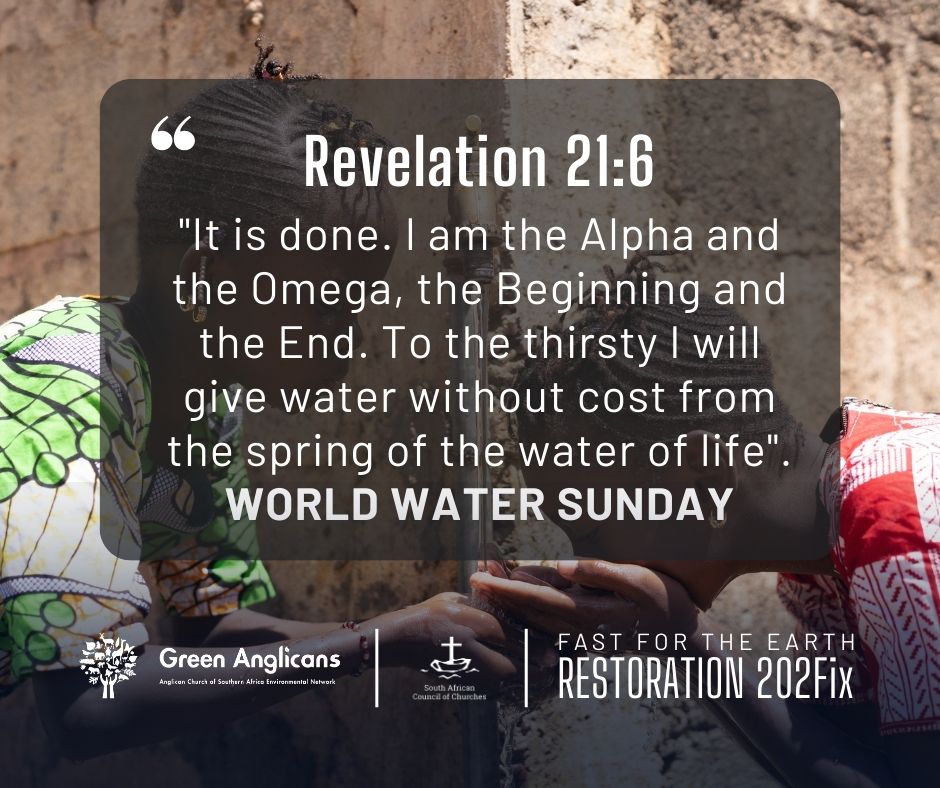
“To the thirsty I will give water without cost from the spring of the water of life.” — Revelation 21:6 Lent is a season that invites us to slow down, reflect, and notice God’s presence in our daily lives. One simple but powerful Lenten practice is to pause and witness the beauty of a sunrise or sunset. Yet today, the gift of water is under threat. Rivers, wetlands, and oceans are polluted by plastic, chemicals, and waste. Many communities around the world still struggle to access clean drinking water. Climate change is also bringing longer droughts and more extreme floods, making water both scarce and unpredictable. When water is damaged or wasted, it is often the poorest and most vulnerable who suffer first. As people of faith, we are called to treasure and protect the gifts that God has given. Caring for water is an important part of caring for creation and loving our neighbours. There are many simple ways we can do this in our daily lives. We can reduce water waste by fixing leaking taps, taking shorter showers, and using water wisely in our homes and gardens. We can avoid polluting water by reducing plastic use, disposing of chemicals responsibly, and supporting clean rivers and beaches in our communities. Even small actions, when multiplied across many people, can make a meaningful difference. Water is sacred in many faith traditions. It is the sign of life in nature and the symbol of new life in baptism. When we treat water with respect, we honour both the Creator and the gift of creation. This World Water Day, let us pause in gratitude for the water that sustains us. May we commit ourselves to protecting, saving, and keeping water clean, so that all people — and all living creatures — may continue to drink from the springs of life that God has provided.

Fifth Sunday of Lent 2026 – World Water Day Read More »