
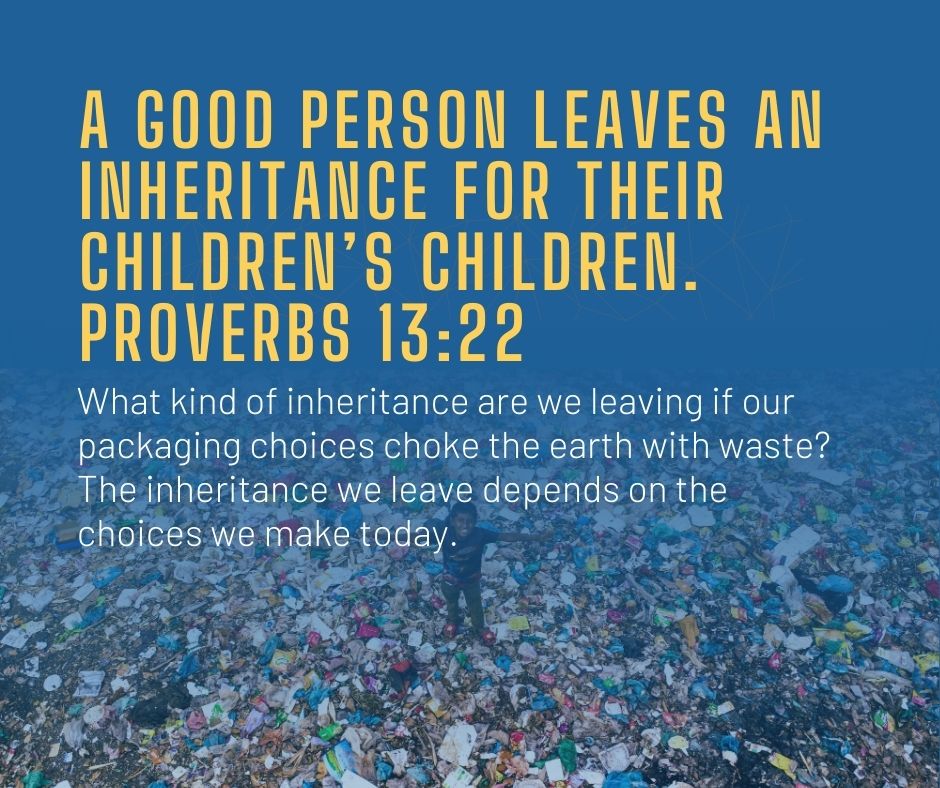
“A good person leaves an inheritance for their children’s children.” — Proverbs 13:22
When we talk about inheritance, we often think of wealth, property, or legacy. But what kind of inheritance are we leaving if our packaging choices choke the earth with waste? Cardboard, polystyrene, and bubble wrap — everyday materials we barely notice — are shaping the future of our planet. Let’s unpack their impacts and what we can do about them.
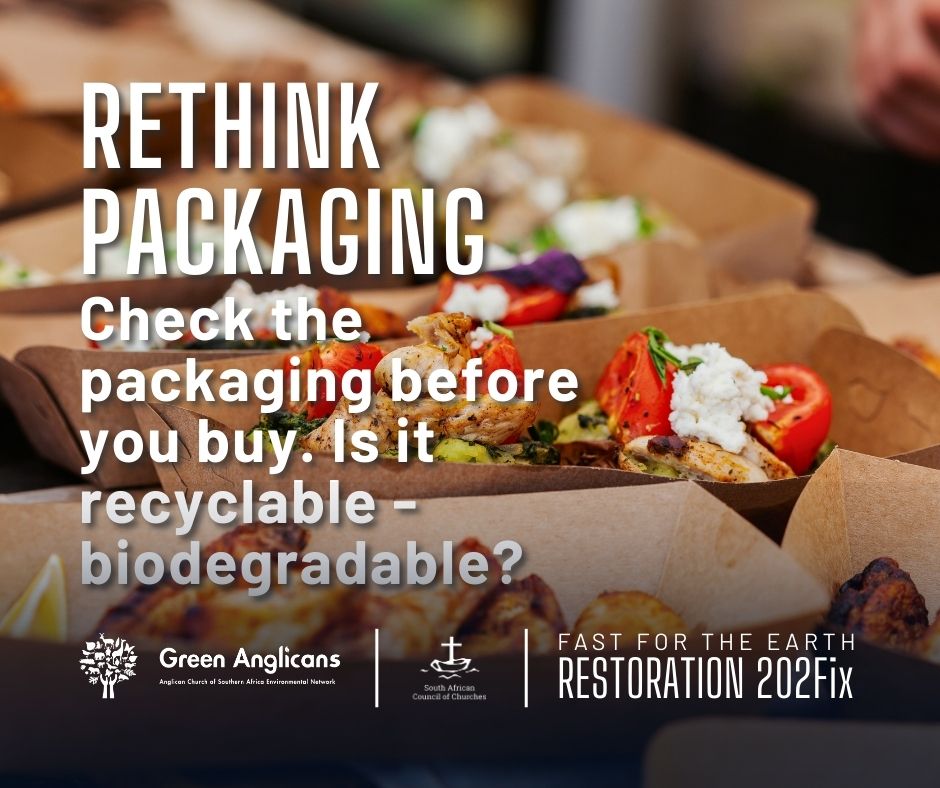
Cardboard: The Double-Edged Sword
Cardboard is often hailed as the eco-friendly alternative to plastic. It’s renewable, biodegradable, and recyclable. Around 70% of corrugated cardboard boxes are successfully recycled, which is impressive. But cardboard isn’t without problems. Its production requires deforestation, water, and energy, especially when virgin materials are used. Transporting cardboard also adds to carbon emissions. While cardboard is better than plastic, overuse and improper disposal still strain ecosystems. The solution? Reuse boxes whenever possible, support recycling programs, and choose packaging made from recycled fibers. Cardboard is good — but only if we handle it responsibly.
Polystyrene: The Persistent Polluter
Polystyrene, commonly seen in takeaway containers and protective packaging, is lightweight and versatile. But its environmental cost is staggering. Made from fossil fuels, it contributes to greenhouse gas emissions during production. Once discarded, it resists biodegradation for hundreds of years, polluting landfills, oceans, and habitats. Marine life often ingests polystyrene debris, leading to injury or death. Worse, chemical additives like styrene pose health risks to humans and wildlife alike. This is packaging that lingers for generations. The best response? Avoid polystyrene altogether. Opt for compostable or reusable alternatives, and pressure businesses to phase it out.
Bubble Wrap: Pop Culture with a Cost
Bubble wrap is fun to pop and effective at protecting fragile items, but it’s made from polyethylene — a petroleum-based plastic. It can take hundreds of years to decompose, leaching harmful chemicals into soil and water. Recycling bubble wrap is technically possible, but most facilities don’t accept it because it’s bulky and lightweight. As a result, it often ends up in landfills or as litter. Its production also consumes significant energy and emits greenhouse gases. Alternatives like biodegradable air cushions, shredded paper, or reusable padding offer safer options. The joy of popping bubbles shouldn’t come at the expense of the planet.
What We Can Do
The inheritance we leave depends on the choices we make today. Here are practical steps:
- Reduce: Say no to unnecessary packaging. Buy in bulk or choose products with minimal wrapping.
- Reuse: Repurpose cardboard boxes, bubble wrap, and even polystyrene when possible.
- Recycle: Support local recycling programs and ensure materials are clean and uncontaminated.
- Replace: Encourage businesses to adopt biodegradable or reusable alternatives.
Proverbs reminds us that a good person leaves an inheritance for future generations. If our inheritance is polluted oceans and overflowing landfills, we’ve failed. But if we act now — rethinking packaging, reducing waste, and choosing sustainable alternatives — we can leave behind a cleaner, healthier world. Cardboard, polystyrene, and bubble wrap don’t have to define our legacy. Let’s make sure they don’t.