
“See that you do not despise one of these little ones. For I tell you that their angels in heaven always see the face of my Father in heaven.” — Matthew 18:10
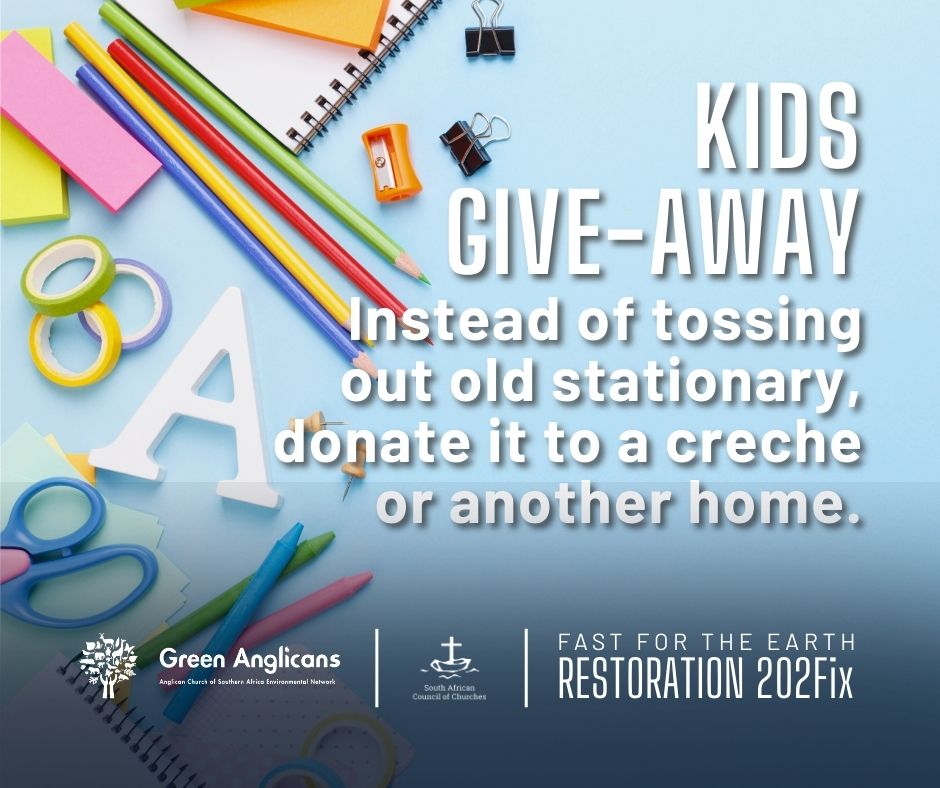
When we think of waste, our minds often jump to plastic bags, bottles, or straws. But there’s another category of waste that quietly piles up: school supplies. Paper, crayons, and felt‑tip pens are staples of childhood learning, yet when they’re discarded carelessly, they contribute to environmental harm. More importantly, dumping them denies children — especially those in under‑resourced schools, Sunday schools, or crèches — the chance to learn, create, and thrive.

Paper: More Than Just Sheets
Paper waste is one of the largest contributors to deforestation and landfill overflow. Overuse of paper in schools and offices means trees are cut down faster than they can be replaced. Producing paper consumes water and energy, and discarded sheets often end up in landfills where they release methane as they decompose. But here’s the twist: paper that’s “old” to us may still be perfectly usable for children learning to write or draw. Donating leftover notebooks or scrap paper transforms waste into opportunity, giving kids the tools to practice literacy and creativity without adding to the environmental burden.
Crayons: Colorful but Problematic
Crayons seem harmless — they’re colorful, fun, and central to childhood art. Yet most crayons are made from paraffin wax, a petroleum byproduct. When tossed out, they don’t biodegrade; they sit in landfills for centuries. Millions of crayons are discarded every year, even though they could still bring joy to children. Organizations have shown that recycled crayons can be melted down and reshaped, extending their life. Instead of throwing away broken or unused crayons, donating them to schools or Sunday schools ensures that children can continue to express themselves through art while reducing waste.
Markers: Small Plastics, Big Impact
Markers are another overlooked source of waste. Made of plastic casings and chemical inks, they’re difficult to recycle. When dumped, they contribute to the growing plastic pollution crisis. Yet many pens still have ink left when they’re discarded, or can be repurposed for group activities in classrooms. Donating them to crèches or youth programs means children can enjoy creative play and learning without families or schools needing to buy new supplies. It’s a simple act that reduces waste and supports education.
When Jesus spoke of not despising “the little ones,” He reminded us that children are precious in God’s sight. Caring for them means more than love and protection — it means ensuring they have the resources to flourish. By donating school supplies, you’re not just reducing waste; you’re investing in the future of children and honoring creation.
Call to Action
Next time you clean out your desk or backpack, pause before tossing those half‑used notebooks, broken crayons, or faded markers. Ask yourself: could these still serve a child? If the answer is yes, then donate them. Schools, Sunday schools, and crèches are waiting. Let’s stop turning our inheritance into waste and start turning it into hope.