anglican

Five loaves and two fish

Here is a boy with five small barley loaves and two small fish, but how far will they go among so many?— John 6:9 In the story of the feeding of the five thousand, a young boy offers the little he has—five loaves and two fish. It does not seem like much in the face of such great need. Yet when it is offered and shared, it becomes enough for everyone. The miracle begins with a simple act of generosity. During Lent, Christians are invited to reflect on how we can share what we have with those who are in need. One practical way to do this is by looking through our kitchen cupboards and giving away food before it reaches its sell-by date. Many of us have tins, packets, and staples that we bought with good intentions but have not used. Instead of letting them go to waste, they could make a real difference to someone who is struggling. Food banks, shelters, and community organisations are always grateful for donations of non-perishable food. A few tins of beans, packets of rice, or boxes of cereal may seem small, but together they can help feed families who are facing hunger. Like the boy in the Gospel story, when we offer what we have, it can be multiplied through the power of community. Reducing food waste also helps protect the environment. When food is thrown away, all the resources used to grow, process, transport, and package it are wasted as well. Food that ends up in landfill produces methane, a powerful greenhouse gas that contributes to climate change. By sharing food rather than wasting it, we care not only for people but also for the earth. Lent is a season of generosity, simplicity, and compassion. Imagine if each of us gave just a little from what we already have. Like the loaves and fishes, small acts of sharing can become a blessing for many.

Five loaves and two fish Read More »
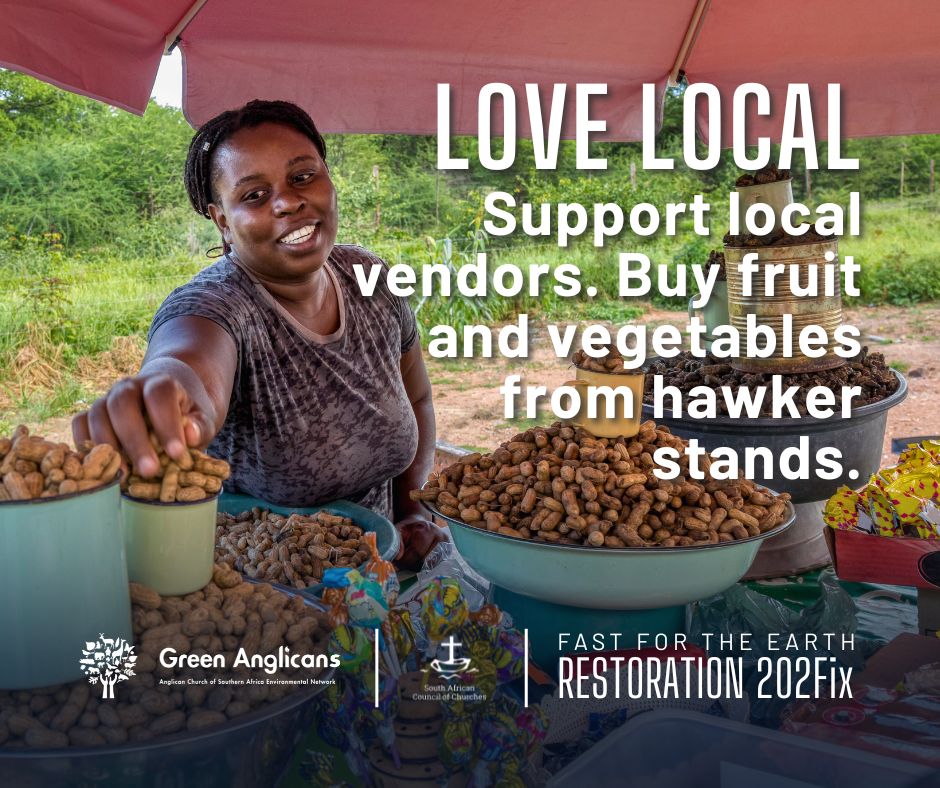
Love Local

“You shall love your neighbour as yourself: I am the Lord.” – Leviticus 19:18 Loving our neighbour is one of the clearest commands in Scripture. Often we think of this in terms of kindness or compassion, but it can also shape the everyday choices we make—including where we buy our food and goods. Choosing to buy from local farmers, small shops, and community businesses is a practical way of living out the call to love our neighbour. When we support a local vegetable grower, baker, or craftsperson, we are helping to sustain the livelihoods of people in our own community. The money we spend does not disappear into a distant corporate system but circulates locally—supporting families, creating jobs, and strengthening the local economy. Economists often note that when money is spent locally, it is far more likely to be spent again within the community. A farmer who sells vegetables at a local market may use that income to pay local workers, buy supplies from nearby businesses, or support community services. In this way, each purchase becomes part of a network of care and mutual support. Buying local also has important environmental benefits. Many products in large supermarkets travel hundreds or even thousands of kilometres before reaching the shelf. This transport requires fuel, packaging, refrigeration, and storage, all of which contribute to greenhouse gas emissions and waste. Local produce, by contrast, often travels a much shorter distance from farm to table. It is usually fresher, requires less packaging, and has a much smaller carbon footprint. Supporting local businesses can also encourage more sustainable farming practices, community gardens, and small-scale food production. It helps build resilient food systems that are less dependent on long and fragile supply chains. Every purchase we make is a choice about the kind of world we want to support. By buying local, we put love of neighbour into action—caring for our community, strengthening our local economy, and protecting the earth that God has entrusted to us.

Love Local Read More »

The Year of the Paper Bag

“Whoever is faithful in a very little is faithful also in much.” – Luke 16:10 Sometimes caring for the earth begins with very small choices. One of the simplest actions we can take is to bring our own reusable bag when we go shopping. It may seem like a tiny habit, but as Jesus reminds us, faithfulness in small things reflects a deeper commitment to what truly matters. Every year millions of plastic bags are used for just a few minutes and then thrown away. Many end up in landfills, rivers, and oceans where they can remain for hundreds of years. Plastic bags harm wildlife, clog drainage systems, and break down into tiny microplastics that pollute soil and water. What feels convenient in the moment can leave a long legacy of pollution. Bringing your own bag is a small act of responsibility that can make a real difference. A strong cloth or woven bag can be used hundreds of times. By keeping a reusable bag in your car, handbag, or backpack, you can easily avoid single-use plastics when buying vegetables, fruit, bread, and groceries. Reusable produce bags or small cloth bags are also helpful for loose vegetables. Instead of placing tomatoes, apples, or potatoes into thin plastic bags, we can weigh and carry them in our own containers. These simple choices reduce waste and remind us that God’s creation is precious. The verse from Luke teaches that the way we handle the small things in life reflects our character. Environmental care is not only about large policies or global agreements; it is also about everyday habits. Choosing a reusable bag is a quiet act of stewardship. Next time you head to the shop or market, pause before you leave the house. Take a reusable bag with you. In doing so, you practice faithfulness in a small thing—and help protect the beautiful earth that God has entrusted to us. 🌍🛍️

The Year of the Paper Bag Read More »

PASTA CON AMORE!

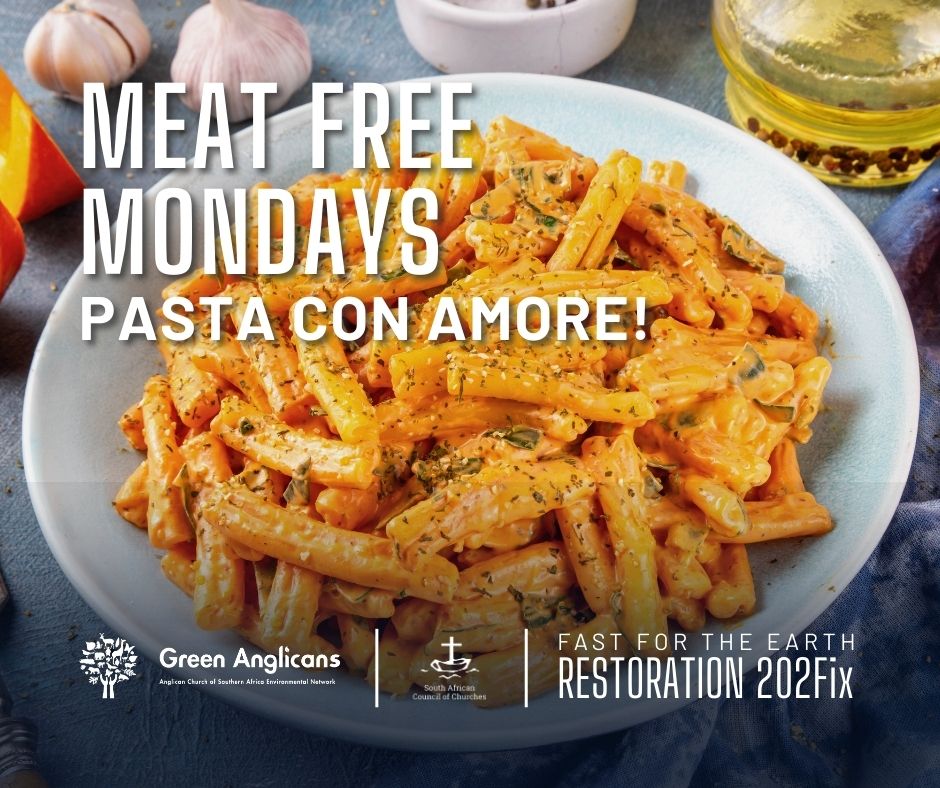
This short proverb carries a powerful truth. God reminds us that love matters more than abundance. A simple meal shared with kindness, gratitude, and peace is far better than a rich feast eaten in anger or excess. In a world where food choices often have consequences for our health, our communities, and the planet, this wisdom feels especially relevant. A humble bowl of pasta with vegetables can be an expression of simplicity, hospitality, and care for creation. Choosing plant-based meals even occasionally reduces our environmental footprint, uses fewer natural resources, and encourages us to value the gifts of the earth. But this verse is about more than food—it is about the spirit in which we eat. Meals are meant to be moments of connection. When we gather around a table with gratitude and love, even the simplest ingredients become a blessing. Pasta is a perfect example of this principle. It is affordable, nourishing, and easy to prepare. A simple pasta dish can feed a family, welcome a friend, or provide comfort after a long day. What matters most is not luxury, but the love shared around the table. Here are three very simple pasta ideas that celebrate vegetables and simplicity: Garlic and Tomato Pasta Cook spaghetti and toss with olive oil, crushed garlic, chopped tomatoes, and a handful of fresh basil. Season with salt and pepper. Lemon Spinach Pasta Mix cooked pasta with sautéed spinach, oil, lemon zest, and a squeeze of lemon juice. Add a little grated cheese if desired. Roasted Vegetable Pasta Roast chopped zucchini, peppers, and onions in the oven with a little oil. Toss them with pasta and a spoon of pesto (if available) Today, let your meal be simple. Cook a bowl of pasta, add vegetables, and most importantly, share it with love.

PASTA CON AMORE! Read More »

Third Sunday in Lent 2026

Then God said, ‘I give you every seed-bearing plant on the face of the whole earth and every tree that has fruit with seed in it. They will be yours for food.’ – Genesis 1:29 Genesis 1:29 reminds us of God’s original vision for nourishment and life: From the very beginning of the biblical story, plants are offered as a gift for human flourishing. Today, returning even partially to a more plant-based diet can be a meaningful way to care for our bodies and for God’s creation. A diet rich in vegetables, fruits, legumes, grains, and nuts brings many health benefits. Research shows that plant-based diets are linked to lower rates of heart disease, high blood pressure, and type 2 diabetes. Plants are rich in fibre, vitamins, and antioxidants that help strengthen the immune system and support long-term wellbeing. Even simple changes—such as eating more beans, lentils, vegetables, and whole grains during the week—can make a significant difference. Choosing more plant-based meals also helps care for the planet. Producing plant foods generally requires far less land, water, and energy than producing meat. It also generates fewer greenhouse gas emissions. By shifting our plates toward plants, we reduce pressure on forests, soil, and water resources, helping protect the ecosystems that sustain all life. Another powerful step is to grow some of your own food, even if it is only a few herbs, tomatoes, or spinach in a small garden or container. Gardening has surprising mental health benefits. Spending time with soil and plants can reduce stress, improve mood, and create a sense of peace and connection with nature. Watching something grow from seed to harvest also nurtures patience, gratitude, and a deeper awareness of God’s provision. Moving toward a plant-rich diet does not have to be perfect or immediate. Small steps—like a few meat-free meals each week or planting a small vegetable patch—can become acts of faith and care for creation. Reflection: What small step could you take this week to enjoy more of God’s gift of seed-bearing plants? 🌱🥕

Third Sunday in Lent 2026 Read More »

RETHINK PACKAGING

“A good person leaves an inheritance for their children’s children.” — Proverbs 13:22 When we talk about inheritance, we often think of wealth, property, or legacy. But what kind of inheritance are we leaving if our packaging choices choke the earth with waste? Cardboard, polystyrene, and bubble wrap — everyday materials we barely notice — are shaping the future of our planet. Let’s unpack their impacts and what we can do about them. Cardboard: The Double-Edged Sword Cardboard is often hailed as the eco-friendly alternative to plastic. It’s renewable, biodegradable, and recyclable. Around 70% of corrugated cardboard boxes are successfully recycled, which is impressive. But cardboard isn’t without problems. Its production requires deforestation, water, and energy, especially when virgin materials are used. Transporting cardboard also adds to carbon emissions. While cardboard is better than plastic, overuse and improper disposal still strain ecosystems. The solution? Reuse boxes whenever possible, support recycling programs, and choose packaging made from recycled fibers. Cardboard is good — but only if we handle it responsibly.  Polystyrene: The Persistent Polluter Polystyrene, commonly seen in takeaway containers and protective packaging, is lightweight and versatile. But its environmental cost is staggering. Made from fossil fuels, it contributes to greenhouse gas emissions during production. Once discarded, it resists biodegradation for hundreds of years, polluting landfills, oceans, and habitats. Marine life often ingests polystyrene debris, leading to injury or death. Worse, chemical additives like styrene pose health risks to humans and wildlife alike. This is packaging that lingers for generations. The best response? Avoid polystyrene altogether. Opt for compostable or reusable alternatives, and pressure businesses to phase it out.  Bubble Wrap: Pop Culture with a Cost Bubble wrap is fun to pop and effective at protecting fragile items, but it’s made from polyethylene — a petroleum-based plastic. It can take hundreds of years to decompose, leaching harmful chemicals into soil and water. Recycling bubble wrap is technically possible, but most facilities don’t accept it because it’s bulky and lightweight. As a result, it often ends up in landfills or as litter. Its production also consumes significant energy and emits greenhouse gases. Alternatives like biodegradable air cushions, shredded paper, or reusable padding offer safer options. The joy of popping bubbles shouldn’t come at the expense of the planet.  What We Can Do The inheritance we leave depends on the choices we make today. Here are practical steps: Reduce: Say no to unnecessary packaging. Buy in bulk or choose products with minimal wrapping. Reuse: Repurpose cardboard boxes, bubble wrap, and even polystyrene when possible. Recycle: Support local recycling programs and ensure materials are clean and uncontaminated. Replace: Encourage businesses to adopt biodegradable or reusable alternatives. Proverbs reminds us that a good person leaves an inheritance for future generations. If our inheritance is polluted oceans and overflowing landfills, we’ve failed. But if we act now — rethinking packaging, reducing waste, and choosing sustainable alternatives — we can leave behind a cleaner, healthier world. Cardboard, polystyrene, and bubble wrap don’t have to define our legacy. Let’s make sure they don’t.

RETHINK PACKAGING Read More »