News

Mothers Union Eco Champs Are Changing Lives

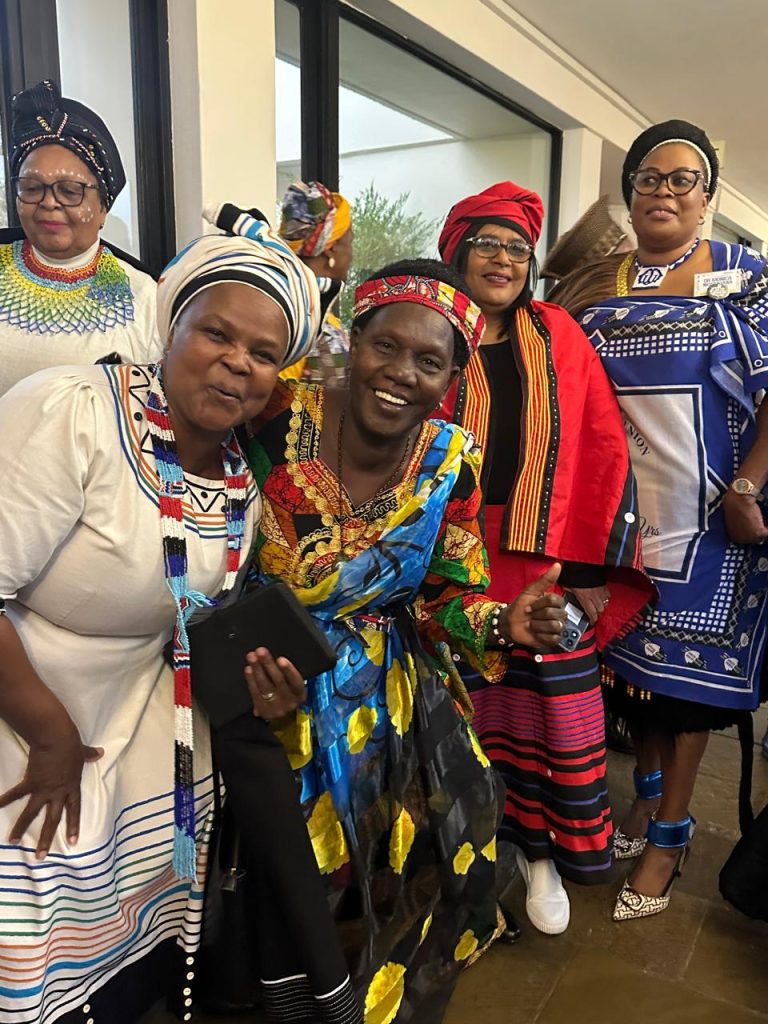
The Mothers’ Union in the Anglican Church of Southern Africa is proving that faith communities can play a powerful role in responding to the climate crisis. In 2024, the MU in ACSA launched a groundbreaking initiative by passing a resolution that every Diocese should appoint an Eco Champ — women and leaders committed to inspiring environmental action, resilience, and care for creation in their local communities. This vision came alive as Eco Champs from South Africa, Eswatini, Namibia, Lesotho, and Botswana gathered in Cape Town for an inspiring and deeply meaningful conference focused on climate justice, adaptation, and community transformation. The conference opened with a powerful Eucharist service led by Rev Maria Van Staaden, grounding the gathering in prayer, worship, and a shared commitment to God’s creation. The sessions throughout the conference reflected both the urgency of the climate crisis and the hope found in collective action. Topics included: A major focus of the conference was the increasing reality of climate disasters across the region. Participants heard sobering stories from communities affected by floods and extreme weather in Mthatha, Limpopo, and Mpumalanga. A presentation from Gift of the Givers highlighted both the devastating human impact of disasters and the importance of rapid, compassionate response. The gathering was honoured by the presence of Provincial President Mme Meisie together with executive member Mama Anastasia, whose encouragement inspired participants to continue leading courageously in their dioceses and communities. There was also great joy in welcoming Mama Harriet from the Province of South Sudan, reminding everyone of the strength of regional and global Anglican partnerships. We pray that the vision of MU Eco-champs may spread to other countries! But the conference was not only about learning. It was also about fellowship, laughter, and celebrating life together. Delegates enjoyed a cold but beautiful visit to the beach, shared a memorable fish supper, and ended with a vibrant cultural evening joined by partners from South Sudan, Uganda, Kenya, and Mozambique. The Mothers Union Eco Champs initiative is already changing lives — equipping women to lead climate action in churches and communities, strengthening resilience, and nurturing hope for future generations. In a time of growing environmental challenges, these Eco Champs are becoming beacons of faith, courage, and transformation across Southern Africa.   We are grateful for the support of the Anglican Overseas Aid for this wonderful conference

Mothers Union Eco Champs Are Changing Lives Read More »
African Partners Unite for Climate Action

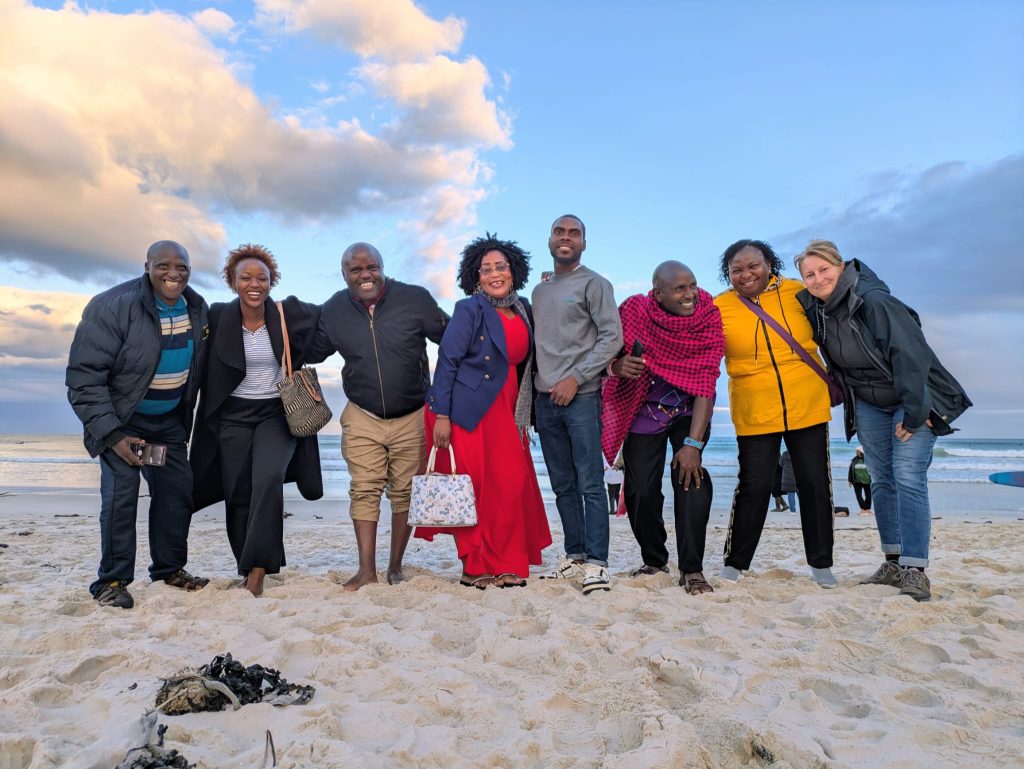
Representatives from projects in South Sudan, Kenya, Mozambique, Uganda, Ethiopia and South Africa gathered for a wonderful Partners’ Learning Forum – a week of peer learning, worship, inspiration and fellowship hosted by Anglican Overseas Aid. The Forum created a space where Anglicans from across Africa could share experiences, deepen relationships and strengthen our shared commitment to climate justice, disaster preparedness and care for creation. The first part of the workshop connected participants with the Anglican Church of Southern Africa Mothers’ Union Eco Champs programme, which proved to be a tremendous inspiration. Together we shared a beautiful Eucharist, celebrated our different cultures during a joyful cultural evening, and reflected on how faith communities can respond creatively and courageously to the climate crisis. Throughout the week we explored the beauty of God’s creation together — from the beach to the magnificent Kirstenbosch National Botanical Garden. We enjoyed wonderful fish from the ocean. These moments reminded us why protecting our common home is both a spiritual calling and an urgent responsibility. The programme included a rich range of learning opportunities. Shelter Mushipe shared important insights on gender and climate justice, while Micah DeKorne led an engaging session on photographic skills and storytelling. Rev. Rachel facilitated sessions on ecotheology and biblically grounded environmental campaigns, helping participants connect scripture, discipleship and environmental action. One of the most meaningful aspects of the gathering was hearing participants share their “most significant changes” — stories of transformation, resilience and hope from communities across the continent. We also learned about the history of the Green Anglicans movement, the Communion Forest initiative, and the global Season of Creation. James Senjura from the Anglican Church of Kenya introduced us to Farmer Managed Natural Regeneration “Living Stumps” , while Wise Life Choices facilitated important discussions on population and the environment. Bino Makhalanyane shared the Sunday School resource Ryan the Rhino, equipping churches to nurture environmental awareness among children. Our field day brought learning into action. Participants visited the Philippi Horticultural Area where we learned about protecting farmland from development and planted trees together. We also engaged with climate advocacy efforts led by the African Climate Alliance, hearing from Solly Nyezi about campaigns against new fossil fuel projects. At the coast, Liz McDaid from The Green Connection shared work to protect the oceans from oil and gas exploration. Above all, the week was filled with worship, laughter, singing, learning and friendship. Together we recommitted ourselves to care for God’s creation as one family, united in faith and hope for a more just and sustainable future. A heartfelt thank you to Anglican Overseas Aid and the people of Australia for making this wonderful gathering possible.   Photo credit : Elspeth Kernebone

African Partners Unite for Climate Action Read More »

St Francis Servers Guild Leads Environmental Awareness

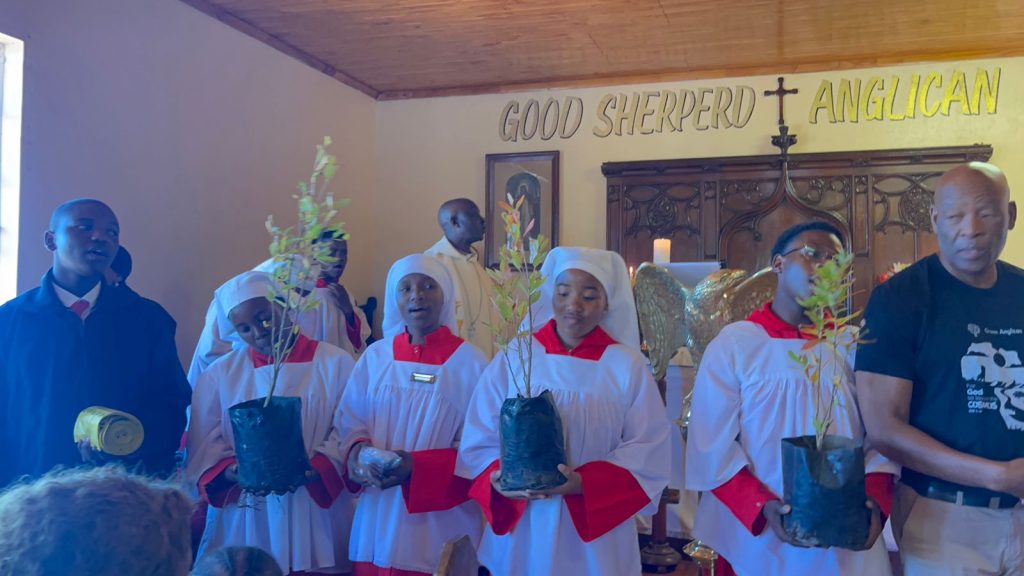
On Sunday, 3 May, the Eco-Champions:  Dr Shago (GFS South African President), Mogorosi (Diocesan Green Anglicans Coordinator), Odireleng (Climate YES member), and Hloni (Youth member), travelled to the Church of the Good Shepherd in the vibrant small town of Koffiefontein to conduct awareness-raising and educational advocacy on restoring God’s creation to its original state, as described in Genesis 1:1–31. The programme was presented to members of the St Francis Servers Guild in the Southwest Archdeaconry and focused on encouraging environmental responsibility within communities of faith. The Eco-Champions highlighted the important role Christians have in caring for creation and protecting the environment for future generations. The visit was centred on three key actions: tree planting, keeping the environment clean, and promoting the benefits of vegetable gardening. Participants were reminded that, as people of faith, they are called to be good stewards of God’s creation. Waste reduction and the conservation of natural resources were emphasised as essential practices for sustainable development and community well-being. As part of the outreach, the Eco-Champions donated trees to be planted at three local churches as a symbol of growth, restoration, and environmental care. To support ongoing clean-up initiatives, each church also received fifty refuse bags for litter collection within its community. In addition, various types of vegetable seeds were distributed to encourage food security and promote the value of fresh, home-grown produce. The initiative aimed to inspire families and churches to establish vegetable gardens that can contribute to healthier living and self-sustainability We advocate Environmental Restoration 202Fix. By: Mogorosi Molisapoli ( Green Anglicans Diocesan Coordinator)

St Francis Servers Guild Leads Environmental Awareness Read More »

GBFS Eco-Champs Gather at Edith Stephens Nature Reserve

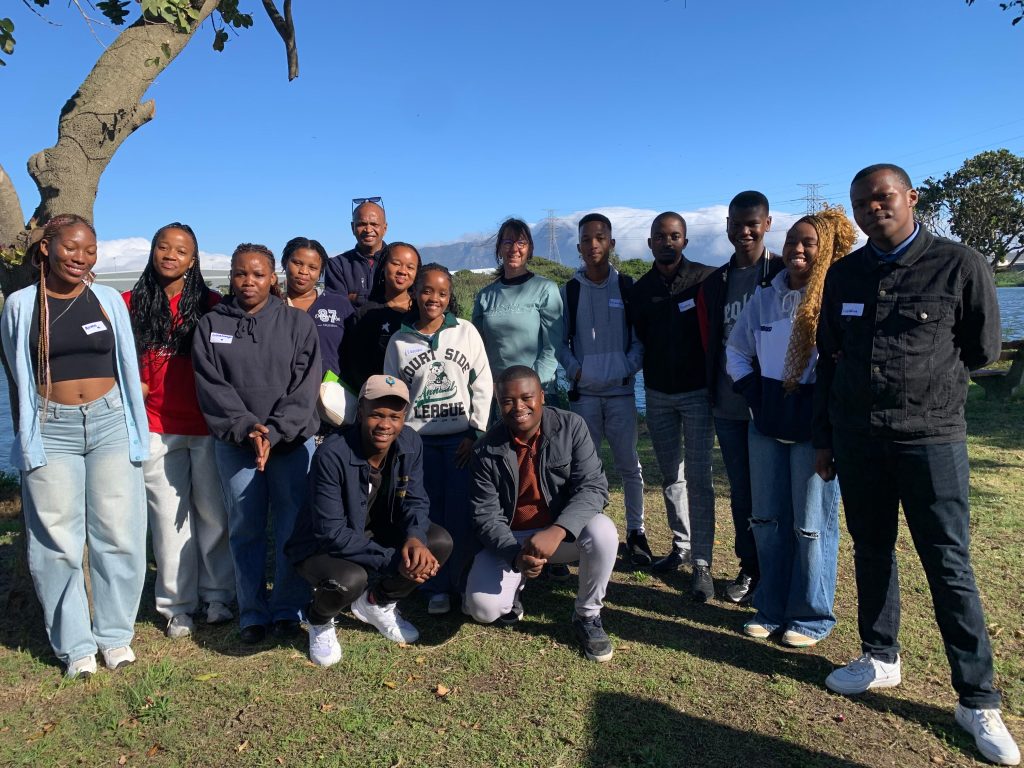
On Saturday, 25 April 2026, members of the Girls’ and Boys’ Friendly Society (GBFS) from the dioceses of Cape Town, False Bay, and Saldanha Bay gathered for the GBFS Eco-Champs Programme at Edith Stephens Nature Reserve in Philippi. The gathering brought together young people from across the dioceses for a day of environmental learning, reflection, and fellowship. For many participants, the programme was both educational and inspiring. As a newcomer to the Green Anglicans Programme, one participant (Immanuel Mlata) described the experience as wonderful and eye-opening. The sessions provided valuable insights into different plant and animal species and the many ecosystems found around the world. Through these lessons, participants gained a deeper understanding of the importance of nature and its vital role in sustaining life. The programme also highlighted the traditional uses of indigenous plants by previous generations. Participants learned how certain plants were highly valued and respected by their great-grandparents because they provided medicine, food, and other important benefits to communities. These discussions helped connect environmental care with cultural heritage and traditional wisdom. In addition, the Eco-Champs Programme encouraged responsible environmental stewardship. Young people were taught practical ways to care for and manage the environment, including keeping their surroundings clean, protecting natural resources, and promoting sustainable living within their communities. A strong message throughout the programme was the importance of respecting all living creatures. Participants were reminded that animals are also part of God’s creation and should therefore be treated with kindness and compassion. The programme encouraged young people not to harm, torture, or unnecessarily kill animals, but instead to value and protect them. A big thank you goes to The Claremont Rotary Club for making the day possible.    PREPARED BY: Eco-Champ IMMANUEL MLATA

GBFS Eco-Champs Gather at Edith Stephens Nature Reserve Read More »

Christ’s Resurrection Marked By Tree Planting

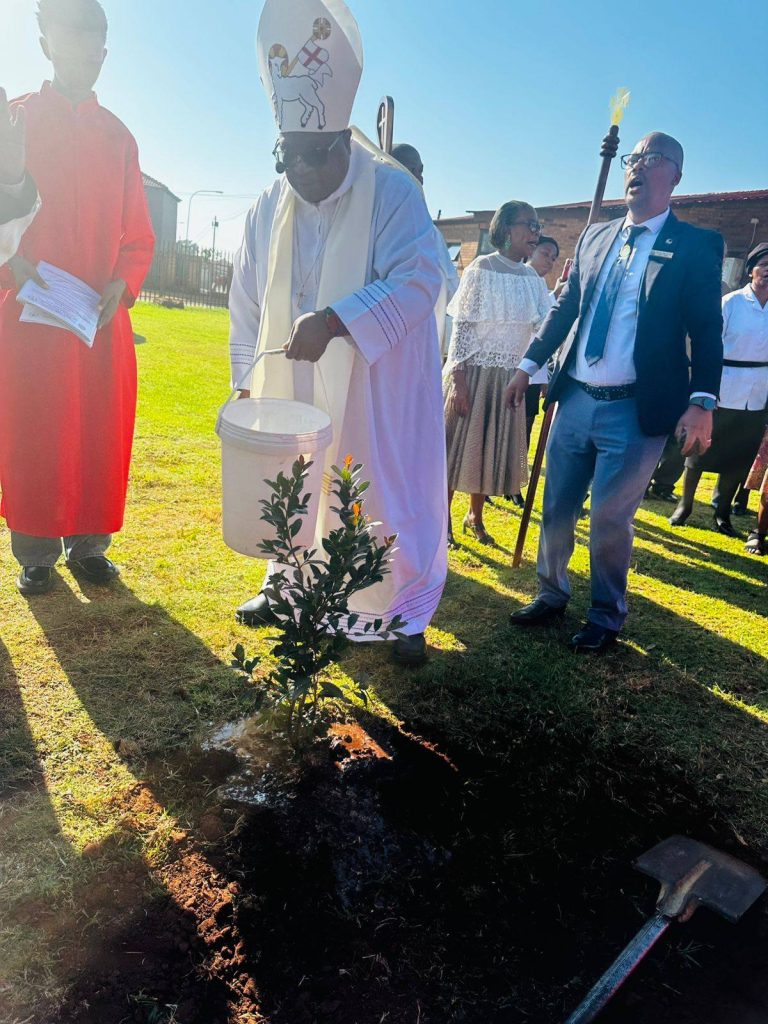
On Easter Sunday 2026, the newly enthroned Bishop of the Diocese of Johannesburg, the Rt. Revd Dr Sepadi Moruthane visited Manche Masemola Anglican Church, Protea Glen, and he marked the occasion by planting a Syzygium tree within the church grounds. From the olden days, a bishop planting a tree carries meaning. It is said to reflect growth and stewardship. This act shows care for creation and responsibility toward future generations. Planting a tree on Easter Sunday gives this greater meaning as Easter represents Jesus Christ’s victory over death, his resurrection and new life. The tree will then become a living reminder of that message. The Syzygium tree itself adds further significance. Many Syzygium species are evergreen, representing stability and longevity. They can produce fruit and offer shade. This reflects a church that offers support, and nourishment to its people. The tree may eventually develop into a common area where the people of the church and community gather to relax and interact. This simple act tells a bigger message. It is about planting seeds that will live beyond this moment. It is about building a church that grows not only in numbers but also in influence and presence within the community. Zimbili Gama from the Server’s Guild and Sunday School shared her thoughts on why the Bishop planted a tree at the church. “I think it’s because he was leaving a memory and an inspiration of the plantation when he said, ‘plant a tree for yourself because prices are going up and share it with your neighbour’. Well, for me, it was like he was leaving a big blessing, making a memory, and encouraging us to make a big difference in our communities and to share what we have. Like plants, food and prayer, well, that’s what I think about the tree”  Owethu Kebeni from the St Agnes Guild and Sunday School says if this tree could speak, it would tell us that “ngizokhula, be wise and prosper”.  Gomolemo Hlongwane from the Server’s Guild and Youth also shared what it meant to him witnessing the bishop planting a tree at our church as well as how he sees this tree reflecting the future of the church and community. “To me, witnessing such an event not only reminded me to go back and check whether I’m still rooted in God as the tree’s roots remain, but it also meant the beginning of a new chapter and the growth of the church not only in members but in a shaped purpose. The tree reflects promise, for it will remain there and grow to give us shade on sunny days, just like God will remain with us in the storms. Yes, it won’t grow overnight, and neither will the healing, and that’s what reminds us of God’s promise to never leave nor forsake us” By Revd. Theo    

Christ’s Resurrection Marked By Tree Planting Read More »

Earth Day 2026: Our Power, Our Planet — No Faith in False Solutions

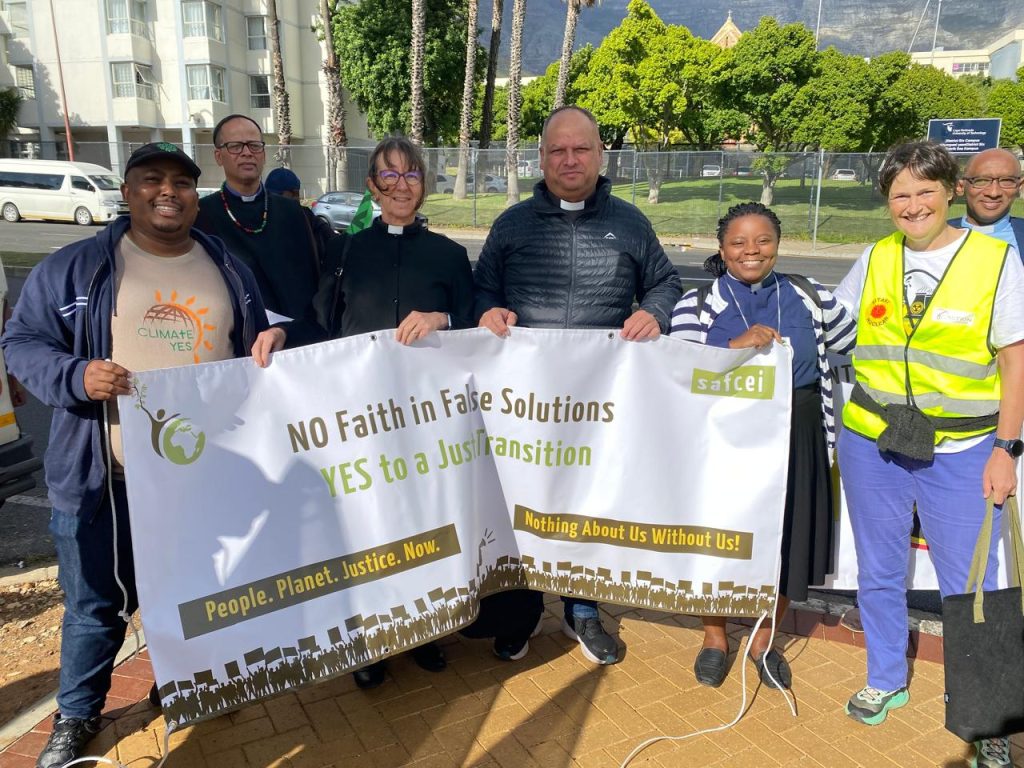
On Earth Day 2026, the theme “Our Power, Our Planet” came alive not just in words, but in movement. In Cape Town, over 500 people took to the streets, marching to Parliament under a shared banner: #NoFaithInFalseSolutions. What unfolded was more than a protest—it was a visible, collective call for a different future. Civil society came together in remarkable unity. Faith-based organisations stood alongside environmental justice movements, community groups, and youth activists. Their message was clear: the time for half-measures and harmful detours is over. South Africa needs urgent, people-centred climate action and a truly just transition—one that protects both people and the planet. At the heart of the march was a rejection of what activists describe as “false solutions.” These include new oil and gas developments, so-called “clean coal,” and carbon capture schemes. While often presented as pathways forward, these approaches risk deepening inequality, entrenching environmental harm, and delaying the rapid transition that the climate crisis demands. The urgency of the crisis is not abstract. It is lived daily. As Lisa Makuala of The Green Connection reminded the crowd, “37% of South Africans live below the poverty line. It remains unfair for vulnerable communities to have to choose between buying bread and affording electricity.” Climate justice, therefore, cannot be separated from economic justice. The call is for a Just Transition—one that prioritises affordable, decentralised renewable energy and safeguards the dignity and rights of those most affected by rising costs and deepening food insecurity. The march was convened by a broad coalition, including SAFCEI, Fossil Free South Africa, Africa Climate Alliance, The Green Connection, Natural Justice, the South Durban Community Environmental Alliance, Project 90 by 2030, and Extinction Rebellion Cape Town. They were joined by partners such as Green Anglicans, Greenpeace Africa, Beauty Without Cruelty, and many others. Together, they embodied a growing national movement—diverse, determined, and rooted in both justice and hope. At Parliament, organisers handed over a joint memorandum to a Member of Parliament, calling for accountable leadership, inclusive climate policies, and real solutions. The memorandum emphasised that many of the so-called solutions currently being advanced by government and industry fail to consider their true social and economic impacts—and may not even meaningfully reduce emissions. Among the voices raised was Rev Rachel Mash of Green Anglicans, who grounded the climate crisis in everyday realities: “Paraffin prices have risen and many families battle to cook hot food in this cold weather. Taxi fares have gone up—and many are struggling to make ends meet at the end of the month. All because of a war in the Middle East. If your fuel comes on a ship, then you are not a sovereign nation. God has given us sun and wind—let us use them and speed up the transition away from fossil fuels so that we can fight energy poverty in our communities. Let us roll out training in renewables in every TVET college across the country.” Her words point to a deeper truth: energy is not only an environmental issue, but a matter of justice, sovereignty, and human dignity. Renewable energy offers not just a cleaner future, but a fairer one—if implemented with intention and inclusion. This Earth Day, the streets of Cape Town told a story of courage and conviction. A story of people refusing to accept false promises, and instead demanding real, transformative change. The message echoed beyond the march itself: Our power. Our planet. No more false solutions. For more on the memorandum handed to Parliament, see: https://tinyurl.com/3weeh6m9

Earth Day 2026: Our Power, Our Planet — No Faith in False Solutions Read More »