John-Paul Roberts

Second Sunday in Lent 2026

“Be very careful, then, how you live — not as unwise but as wise, making the most of every opportunity, because the days are evil.” (Ephesians 5:15–16) Lent invites us to examine how we live — not only spiritually, but practically. In a time of climate crisis, Paul’s call to “live wisely” speaks directly to how we use energy and transport. A Carbon Fast for the planet is one faithful way of making the most of this moment. To live wisely today means recognizing that our daily choices — how we travel, how we power our homes, how much we consume — shape the future of God’s creation. Energy use is one of the largest contributors to carbon emissions. When we leave lights burning, overheat our homes, or rely heavily on fossil fuels, we unintentionally add to the suffering of vulnerable communities already facing droughts, floods, and rising food prices. A Carbon Fast does not mean harsh deprivation. It means thoughtful change. It could include reducing car journeys and choosing to walk, cycle, or use public transport where possible. It might mean carpooling to church, working from home one day a week, or combining errands into a single trip. Each kilometre not driven reduces emissions and air pollution. In our homes, we can switch off unused appliances, install energy-efficient lighting, lower geyser temperatures, line-dry clothes, or explore renewable energy options such as solar power. These actions save money as well as carbon. Paul reminds us that “the days are evil” — not to instill fear, but urgency. Climate change is not a distant threat; it is a present reality. To fast from carbon is to refuse careless living. It is to align our habits with our prayers. This Lent, may we choose wisdom. May our energy use reflect love for neighbour and reverence for God’s earth. And may our small daily decisions become acts of hope for the healing of creation.

Second Sunday in Lent 2026 Read More »
NEW YEARS WARDROBE

“Is not life more than food, and the body more than clothes?” Matthew 6:2 Clothes are meant to cover us, protect us, and even express who we are. But in today’s fast fashion world, cheap clothing has become a symbol of exploitation and waste. Behind every bargain rack lies a hidden cost — paid by workers in unsafe factories and by the environment that absorbs the waste. If life is more than clothes, then surely our choices about clothing must reflect care for both people and planet. The Human Cost Cheap clothing often comes from factories where workers earn poverty wages and endure unsafe conditions. Reports show garment workers laboring long hours with little protection, sometimes even facing harassment or child labor. The low price tag we see in stores is subsidized by human suffering. When we buy fast fashion without thinking, we indirectly support systems that exploit vulnerable communities. Choosing vintage, donating, or swapping clothes helps break this cycle by reducing demand for exploitative production. The Environmental Toll Fast fashion is one of the most polluting industries in the world. Producing cheap clothes consumes massive amounts of water, energy, and chemicals. Synthetic fabrics shed microplastics into oceans, while discarded garments pile up in landfills. The environmental footprint of a single T-shirt or pair of jeans is staggering. By buying secondhand or swapping clothes, we extend the life of garments and reduce the need for new production. Every reused item is one less burden on the earth. Communities are rising against fast fashion. Clothing swaps, vintage markets, and donation drives are becoming powerful alternatives. They not only reduce waste but also build community. Imagine a Sunday afternoon where friends gather, exchange clothes, and walk away with “new” outfits without spending a cent or harming the planet. That’s advocacy in action. What We Can Do Here are practical steps: Buy vintage: Support thrift stores and vintage shops. Each purchase keeps clothes in circulation and out of landfills. Donate: Give away clothes you no longer wear to schools, churches, or charities. Your old jeans could be someone else’s treasure. Swap: Organize clothing swap days with friends, youth groups, or communities. It’s fun, sustainable, and builds solidarity. Educate: Share the truth about fast fashion’s impact. Awareness sparks change. Life is more than clothes, but clothes can reflect our values. If we choose vintage, donate generously, and swap creatively, we show that fashion doesn’t have to exploit workers or destroy the environment. Advocacy begins with persistence, but it ends with transformation. The challenge is simple: will you keep buying cheap clothes, or will you advocate for change by reimagining how we dress.

NEW YEARS WARDROBE Read More »

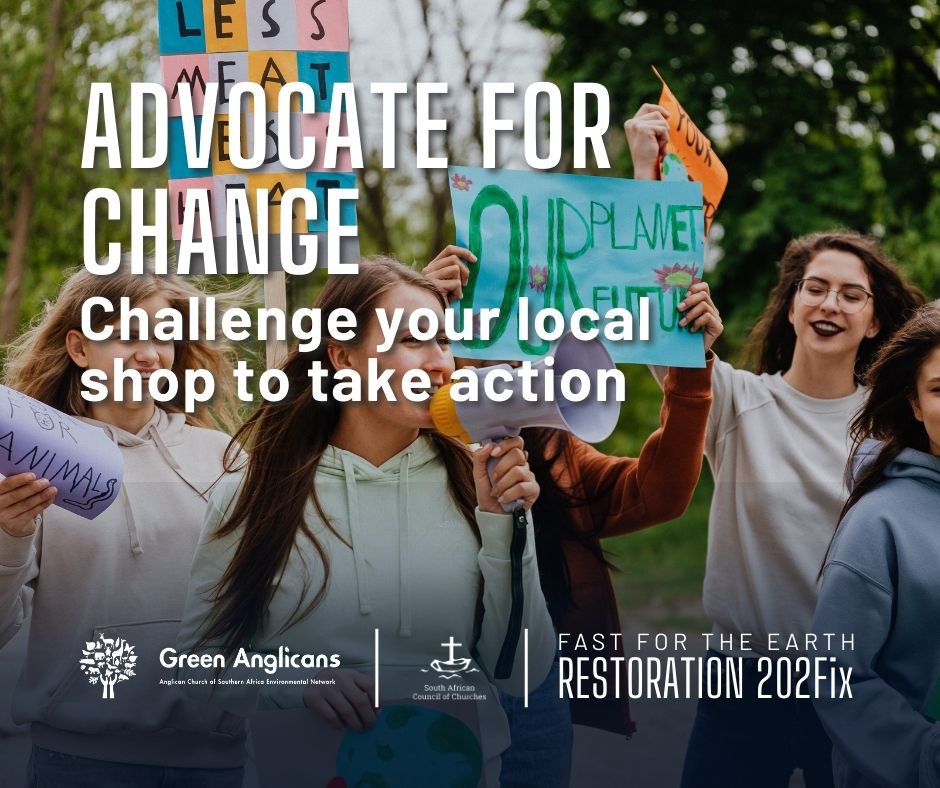
Advocate for Change

“Then Jesus told his disciples a parable to show them that they should always pray and not give up. He said: ‘In a certain town there was a judge who neither feared God nor cared what people thought. And there was a widow in that town who kept coming to him with the plea, ‘Grant me justice against my adversary.’” — Luke 18:1-3 Persistence changes things. The parable of the persistent widow reminds us that even when power seems unmoved, consistent voices can bring about justice. Today, that justice looks like protecting creation from the chokehold of plastic. And ordinary people — not governments or corporations — are proving that persistence works. Woolworths: Customers Who Wouldn’t Let Go In South Africa, Woolworths faced mounting pressure from customers who demanded an end to single-use plastic bags. Shoppers spoke up, wrote letters, and kept pushing. Eventually, Woolworths announced it would drop plastic bags at all food stores, replacing them with reusable alternatives. What began as scattered complaints became a movement that reshaped a national retailer’s policy. Persistence paid off. The Last Plastic Straw: Grassroots Power In the United States, a grassroots campaign called The Last Plastic Straw began with individuals challenging restaurants to stop serving drinks with plastic straws. What seemed like a small ask grew into a global movement. Thousands of restaurants, bars, and cafes have since eliminated straws or switched to compostable versions. The campaign showed that even the smallest plastics can be challenged — and that one person’s voice can ripple outward into systemic change. Plastic Pollution Coalition: Turning Advocacy into Action The Plastic Pollution Coalition amplified these voices, sharing stories of communities and individuals who convinced local businesses to ditch plastics. From beachside cafes to school cafeterias, persistent advocacy led to real shifts. These weren’t government mandates; they were victories won by everyday people who refused to accept “business as usual.” What Can We All Do? The persistent widow didn’t stop asking, and neither should we. Change doesn’t come from one loud protest — it comes from consistent, everyday advocacy. Here’s how we can follow her example: Speak up: Ask your local shop or restaurant to consider alternatives to plastic. Don’t be silent. Support change: When businesses make eco-friendly shifts, reward them with your loyalty. Educate: Share stories of successful campaigns with friends, family, and community groups. Inspiration spreads. Persist: If the answer is “no” today, ask again tomorrow. Persistence is the key. Closing Thought The widow’s persistence brought justice. Our persistence can bring healing to creation. Every time we challenge a business to rethink plastic, we are advocating for change — not just for ourselves, but for generations to come. The question is: will we keep asking, keep pushing, keep persisting? Because if ordinary people can convince Woolworths, restaurants, and coalitions to act, then surely we can convince the world.

Advocate for Change Read More »

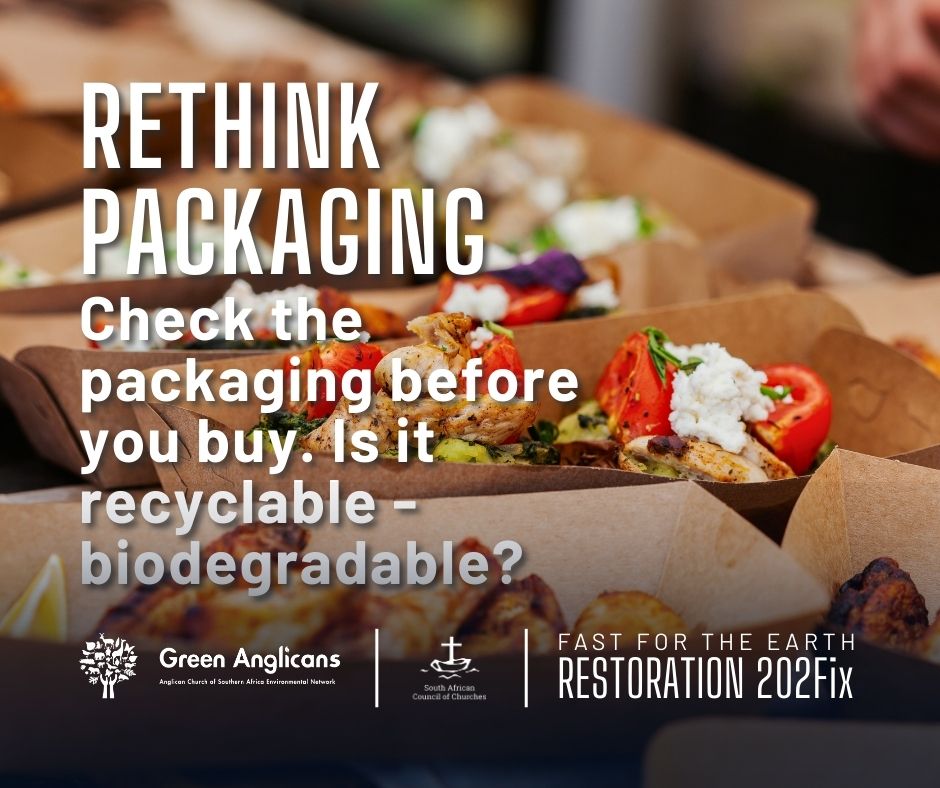
RETHINK PACKAGING

“A good person leaves an inheritance for their children’s children.” — Proverbs 13:22 When we talk about inheritance, we often think of wealth, property, or legacy. But what kind of inheritance are we leaving if our packaging choices choke the earth with waste? Cardboard, polystyrene, and bubble wrap — everyday materials we barely notice — are shaping the future of our planet. Let’s unpack their impacts and what we can do about them. Cardboard: The Double-Edged Sword Cardboard is often hailed as the eco-friendly alternative to plastic. It’s renewable, biodegradable, and recyclable. Around 70% of corrugated cardboard boxes are successfully recycled, which is impressive. But cardboard isn’t without problems. Its production requires deforestation, water, and energy, especially when virgin materials are used. Transporting cardboard also adds to carbon emissions. While cardboard is better than plastic, overuse and improper disposal still strain ecosystems. The solution? Reuse boxes whenever possible, support recycling programs, and choose packaging made from recycled fibers. Cardboard is good — but only if we handle it responsibly.  Polystyrene: The Persistent Polluter Polystyrene, commonly seen in takeaway containers and protective packaging, is lightweight and versatile. But its environmental cost is staggering. Made from fossil fuels, it contributes to greenhouse gas emissions during production. Once discarded, it resists biodegradation for hundreds of years, polluting landfills, oceans, and habitats. Marine life often ingests polystyrene debris, leading to injury or death. Worse, chemical additives like styrene pose health risks to humans and wildlife alike. This is packaging that lingers for generations. The best response? Avoid polystyrene altogether. Opt for compostable or reusable alternatives, and pressure businesses to phase it out.  Bubble Wrap: Pop Culture with a Cost Bubble wrap is fun to pop and effective at protecting fragile items, but it’s made from polyethylene — a petroleum-based plastic. It can take hundreds of years to decompose, leaching harmful chemicals into soil and water. Recycling bubble wrap is technically possible, but most facilities don’t accept it because it’s bulky and lightweight. As a result, it often ends up in landfills or as litter. Its production also consumes significant energy and emits greenhouse gases. Alternatives like biodegradable air cushions, shredded paper, or reusable padding offer safer options. The joy of popping bubbles shouldn’t come at the expense of the planet.  What We Can Do The inheritance we leave depends on the choices we make today. Here are practical steps: Reduce: Say no to unnecessary packaging. Buy in bulk or choose products with minimal wrapping. Reuse: Repurpose cardboard boxes, bubble wrap, and even polystyrene when possible. Recycle: Support local recycling programs and ensure materials are clean and uncontaminated. Replace: Encourage businesses to adopt biodegradable or reusable alternatives. Proverbs reminds us that a good person leaves an inheritance for future generations. If our inheritance is polluted oceans and overflowing landfills, we’ve failed. But if we act now — rethinking packaging, reducing waste, and choosing sustainable alternatives — we can leave behind a cleaner, healthier world. Cardboard, polystyrene, and bubble wrap don’t have to define our legacy. Let’s make sure they don’t.

RETHINK PACKAGING Read More »

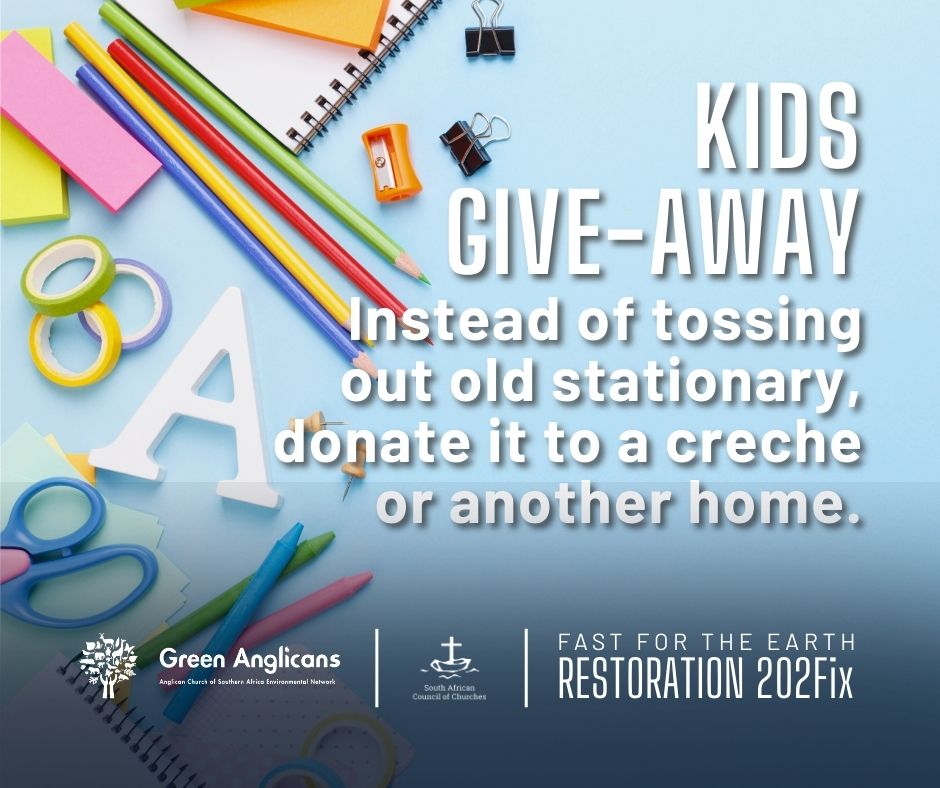
KIDS GIVE AWAY

“See that you do not despise one of these little ones. For I tell you that their angels in heaven always see the face of my Father in heaven.” — Matthew 18:10 When we think of waste, our minds often jump to plastic bags, bottles, or straws. But there’s another category of waste that quietly piles up: school supplies. Paper, crayons, and felt‑tip pens are staples of childhood learning, yet when they’re discarded carelessly, they contribute to environmental harm. More importantly, dumping them denies children — especially those in under‑resourced schools, Sunday schools, or crèches — the chance to learn, create, and thrive. Paper: More Than Just Sheets Paper waste is one of the largest contributors to deforestation and landfill overflow. Overuse of paper in schools and offices means trees are cut down faster than they can be replaced. Producing paper consumes water and energy, and discarded sheets often end up in landfills where they release methane as they decompose. But here’s the twist: paper that’s “old” to us may still be perfectly usable for children learning to write or draw. Donating leftover notebooks or scrap paper transforms waste into opportunity, giving kids the tools to practice literacy and creativity without adding to the environmental burden. Crayons: Colorful but Problematic Crayons seem harmless — they’re colorful, fun, and central to childhood art. Yet most crayons are made from paraffin wax, a petroleum byproduct. When tossed out, they don’t biodegrade; they sit in landfills for centuries. Millions of crayons are discarded every year, even though they could still bring joy to children. Organizations have shown that recycled crayons can be melted down and reshaped, extending their life. Instead of throwing away broken or unused crayons, donating them to schools or Sunday schools ensures that children can continue to express themselves through art while reducing waste. Markers: Small Plastics, Big Impact Markers are another overlooked source of waste. Made of plastic casings and chemical inks, they’re difficult to recycle. When dumped, they contribute to the growing plastic pollution crisis. Yet many pens still have ink left when they’re discarded, or can be repurposed for group activities in classrooms. Donating them to crèches or youth programs means children can enjoy creative play and learning without families or schools needing to buy new supplies. It’s a simple act that reduces waste and supports education. When Jesus spoke of not despising “the little ones,” He reminded us that children are precious in God’s sight. Caring for them means more than love and protection — it means ensuring they have the resources to flourish. By donating school supplies, you’re not just reducing waste; you’re investing in the future of children and honoring creation. Call to Action Next time you clean out your desk or backpack, pause before tossing those half‑used notebooks, broken crayons, or faded markers. Ask yourself: could these still serve a child? If the answer is yes, then donate them. Schools, Sunday schools, and crèches are waiting. Let’s stop turning our inheritance into waste and start turning it into hope.

KIDS GIVE AWAY Read More »

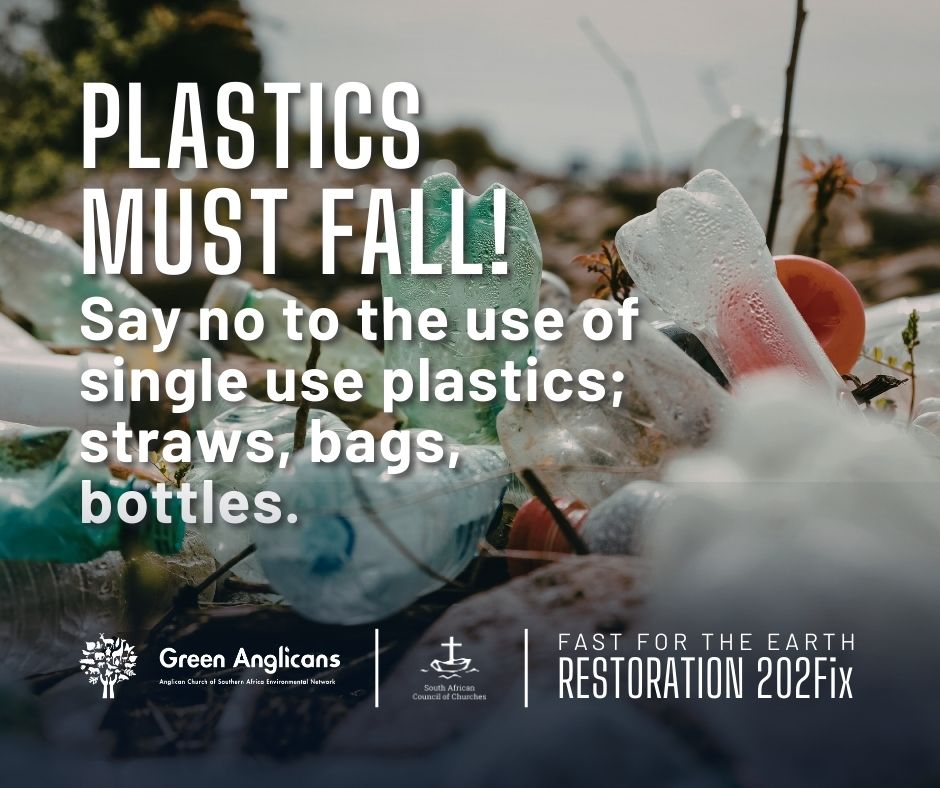
Plastics Must Fall

“You have made my inheritance an abomination.” — Jeremiah 16:18 Plastic has become the symbol of convenience in our modern world, but convenience comes at a cost. Bags, straws, and bottles — everyday items we barely think about — are quietly wreaking havoc on our planet. Let’s break down why these three plastics must fall. Plastic Bags: Silent Polluters Plastic bags are everywhere — grocery stores, corner shops, even tucked away in our kitchen drawers. But their impact is far from harmless. They clog waterways, suffocate marine life, and take hundreds of years to decompose. Animals mistake them for food, leading to starvation or poisoning. What feels like a “free” bag at checkout actually costs ecosystems dearly. Worse, when bags break down into microplastics, they infiltrate soil and water, entering the food chain and ultimately our bodies. That flimsy bag is a long-term environmental debt. Plastic Straws: Small but Deadly Straws might seem insignificant — they’re tiny, lightweight, and often overlooked. Yet their impact is disproportionately large. Because of their size, straws slip through recycling systems and end up in oceans. Marine animals, especially turtles, suffer when straws lodge in their noses or stomachs. For a product used for minutes, the damage lasts centuries. The straw debate isn’t about inconvenience; it’s about recognizing that even the smallest plastics can have devastating consequences. Choosing reusable alternatives is a simple but powerful act of resistance. Plastic Bottles: The Heavy Hitters Plastic bottles are the giants of single-use plastics. Billions are sold every year, and while some are recycled, most end up in landfills or floating in oceans. They fragment into microplastics, contaminating water supplies and harming wildlife. Producing bottles also burns through fossil fuels, adding to climate change. The  bottles we sip from today will still be polluting the planet when we’re old. Alternatives like refillable bottles aren’t just trendy — they’re necessary for survival. You’re inheriting a planet already burdened by decades of plastic waste. But you also hold the power to shift the narrative. Rejecting single-use plastics isn’t just about saving turtles or cleaning beaches — it’s about reclaiming our future. Every bag refused, every straw skipped, every bottle replaced with a refillable one is a step toward dismantling a toxic system. Jeremiah’s words remind us that when we pollute creation, we turn our inheritance — the earth itself — into an abomination. Stewardship means protecting creation, not exploiting it. As a generation known for activism and innovation, we can lead the charge. Plastics must fall — not tomorrow, not someday, but now.

Plastics Must Fall Read More »