John-Paul Roberts

Come and See Meat Free Monday

“Then Jesus said to them, ‘Come and see.’” – John 1:39 Lent invites us into a season of reflection, repentance, and renewal. One way we can participate in this spiritual journey is through conscious choices in our daily life, such as practicing Meat-Free Monday. This simple act of abstaining from meat once a week can be much more than a dietary decision—it can become a spiritual discipline. Come and see- this encourages us to try something new – perhaps you have always thought plant free food is boring – lets share ideas – get new recipes! By choosing plant-based meals, we engage in a small but powerful practice of self-denial, echoing the call to simplicity and mindfulness that Lent encourages. It is a reminder that our habits impact not only our bodies but also the world around us. Livestock farming contributes significantly to environmental degradation and climate change, and by eating less meat, we reduce our ecological footprint and act as stewards of God’s creation. Meat-Free Monday can also become a moment of gratitude. Preparing meals from grains, vegetables, and legumes invites creativity and reflection. It encourages us to consider the abundance of God’s provision beyond the typical protein-heavy diet. Sharing these meals with family, friends, or neighbors fosters community and generosity, embodying the love Christ calls us to live out daily. Lent is a season of inviting God into the ordinary rhythms of our lives. Choosing a meat-free day is a tangible way to slow down, reflect on our consumption, and align our actions with our faith. It’s a small step, but one that can ripple outward, influencing our health, our environment, and our spiritual growth. Reflection Prompt:This week, ask yourself: How can my food choices honor God, care for creation, and deepen my spiritual discipline? Consider what changes you can make, even beyond Mondays, to live more intentionally and compassionately.

Come and See Meat Free Monday Read More »
First Sunday in Lent 2026

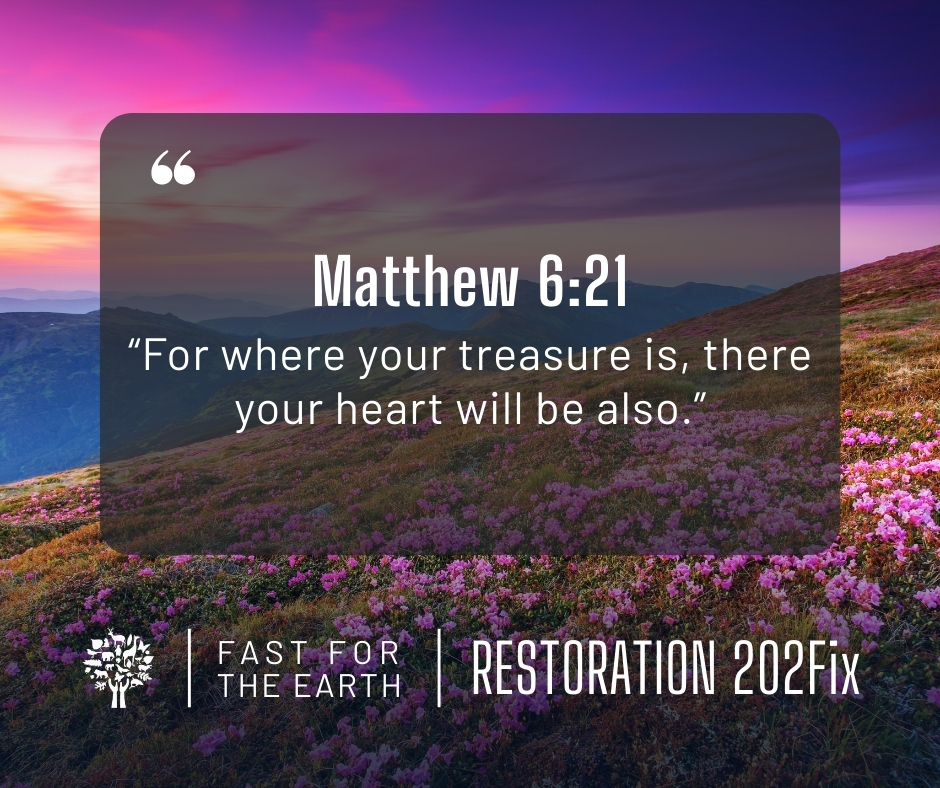
“For where your treasure is, there your heart will be also.” – Matthew 6:21 Lent invites us to examine what we truly treasure. Jesus’ words challenge us to consider where our loyalty, energy, and attention are directed. If our treasure is comfort, convenience, and consumption, our hearts will follow. But if our treasure is God’s Kingdom — marked by justice, compassion, and care for creation — then our lives will begin to reflect those values. This Lent, we are invited into a “Fast for the Planet.” Traditionally, fasting means giving up food or luxuries in order to focus more deeply on God. A planetary fast expands that vision. It asks us to fast from habits that harm the earth: overconsumption, wastefulness, excessive energy use, and indifference to environmental destruction. The climate crisis reveals what we have collectively treasured. Our dependence on fossil fuels, disposable culture, and endless economic growth has come at great cost — rising temperatures, extreme weather, polluted oceans, and deepening inequality. The poorest communities, who have contributed least to the crisis, suffer most. To fast for the planet is to repent of this imbalance and to realign our hearts. A Lenten fast for the planet might mean eating less meat, reducing energy use, limiting unnecessary purchases, walking instead of driving, or supporting local and sustainable products. It could involve prayer for affected communities, learning about environmental justice, or advocating for change. Each small act becomes a sign that our treasure lies not in endless consumption, but in the flourishing of all creation. It also involves treasuring God’s Creation – saying prayers as the sun rises or sets, taking your family or church group out to a beautiful place in Creation. We will not protect what we do not love! Lent prepares us for Easter — the promise of new life. When we shift our treasure toward what truly matters, our hearts change. A Fast for the Planet is not about deprivation; it is about devotion. Where our treasure is, there our heart will be also.

First Sunday in Lent 2026 Read More »

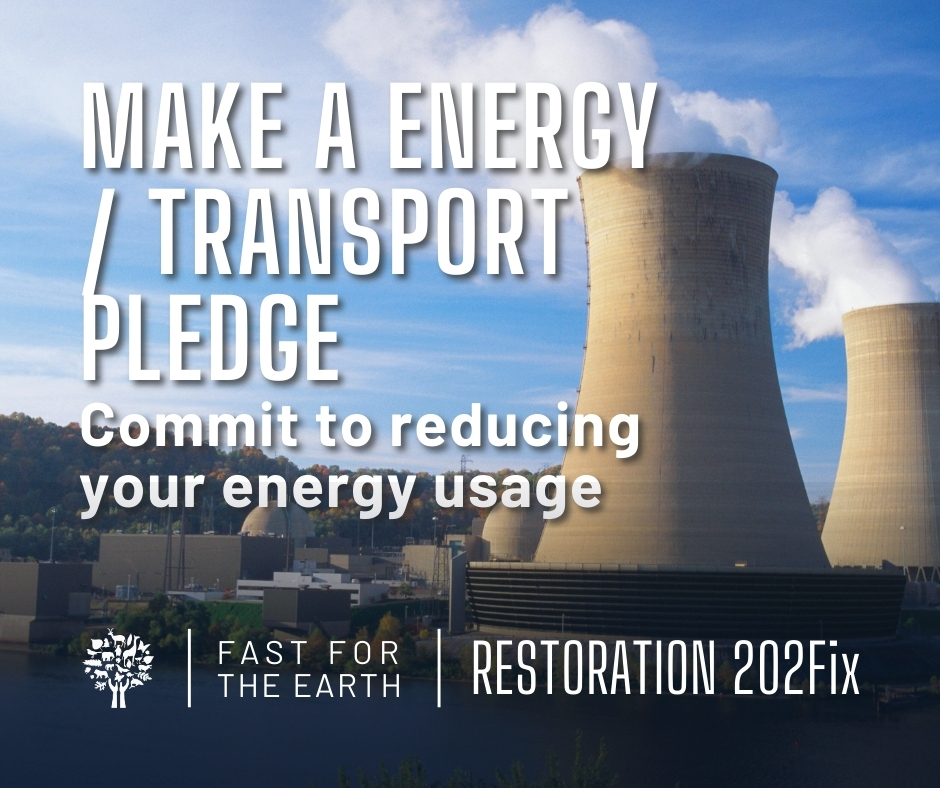
Pledge to reduce energy consumption

Lent is a season of reflection and renewal. It calls us to examine how we live and how our daily choices reflect our love for God and neighbour. In Genesis, humanity is given a sacred vocation: to “till and keep” the garden. We are not owners of creation, but caretakers. A Lenten Transport and Energy Pledge can be one practical way of honouring this calling. Transport and energy use are among the largest contributors to climate change. The fuel we burn for cars, the electricity we consume, and the energy we waste all release greenhouse gases that warm the planet. The impacts are already visible: extreme weather, droughts, floods, and rising food insecurity — often affecting the poorest communities first. Loving our neighbour today includes reducing harm caused by our energy habits. A Lenten pledge might include walking or cycling short distances instead of driving, carpooling, or using public transport where possible. It could mean reducing unnecessary travel, combining errands into one trip, or committing to one “car-free” day each week. At home, it might involve switching off lights, unplugging unused devices, lowering geyser or heater settings, using energy-efficient bulbs, or being mindful of air conditioning and heating. Transport and energy use are among the largest contributors to climate change. The fuel we burn for cars, the electricity we consume, and the energy we waste all release greenhouse gases that warm the planet. The impacts are already visible: extreme weather, droughts, floods, and rising food insecurity — often affecting the poorest communities first. Loving our neighbour today includes reducing harm caused by our energy habits. A Lenten pledge might include walking or cycling short distances instead of driving, carpooling, or using public transport where possible. It could mean reducing unnecessary travel, combining errands into one trip, or committing to one “car-free” day each week. At home, it might involve switching off lights, unplugging unused devices, lowering geyser or heater settings, using energy-efficient bulbs, or being mindful of air conditioning and heating.

Pledge to reduce energy consumption Read More »

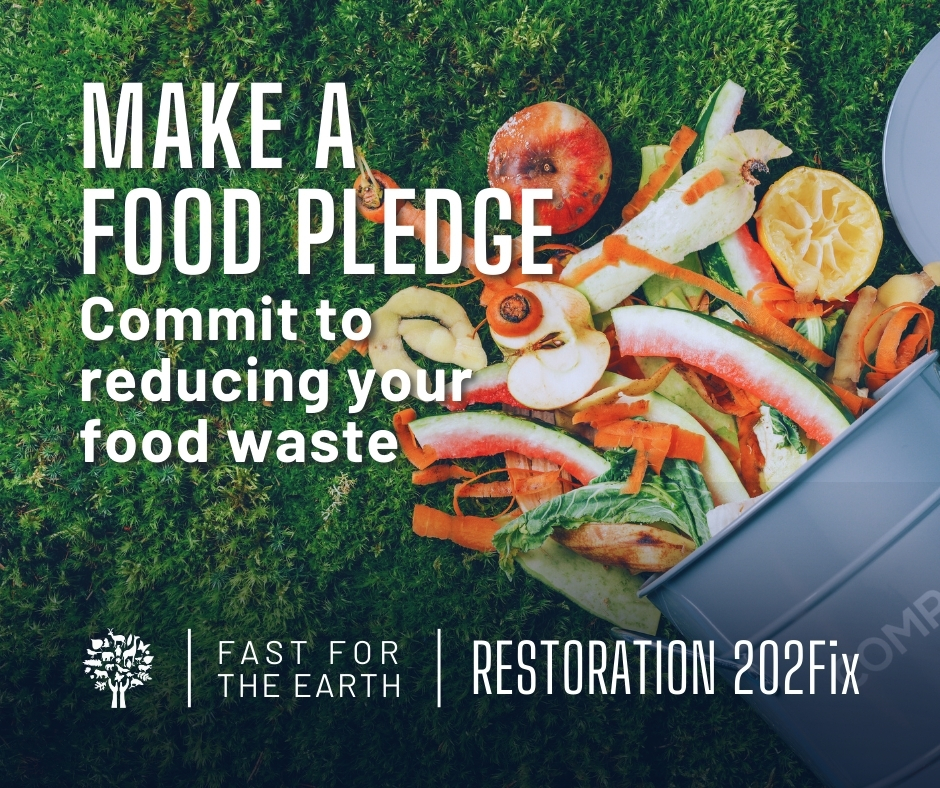
Pledge to reduce food waste

“When they had all had enough to eat, he said to his disciples, ‘Gather the pieces that are left over. Let nothing be wasted.’” – John 6:12 Lent is a season of intentional living. It invites us to slow down, to reflect, and to realign our daily habits with the values of the Kingdom of God. In the story of the feeding of the five thousand, Jesus performs a miracle of abundance — yet he commands the disciples to gather the leftovers so that nothing is wasted. Even in abundance, waste has no place in God’s economy. Today, food waste is a global crisis. Vast amounts of edible food are discarded while millions go hungry. Wasted food also wastes water, energy, land, and labour. When food ends up in landfill, it produces methane, a powerful greenhouse gas that contributes to climate change. Reducing food waste is therefore both an act of compassion and an act of environmental stewardship. A Lenten “Food Pledge” can become a meaningful spiritual discipline. It might begin with planning meals carefully, buying only what is needed, and storing food properly. It could include cooking smaller portions, creatively using leftovers, sharing surplus with neighbours, or composting food scraps. These simple practices honour the resources God has provided. Lent traditionally calls us to fasting, prayer, and generosity. Reducing food waste connects all three. We fast from excess consumption. We pray with gratitude for daily bread. We give by ensuring that food is shared rather than discarded. Making a food pledge during Lent reminds us that every meal is sacred. Each loaf, fruit, and grain carries the gift of God’s provision and the labour of many hands. This season, let us hear Jesus’ words afresh: “Let nothing be wasted.” In caring for food, we care for people — and for the earth that sustains us.

Pledge to reduce food waste Read More »

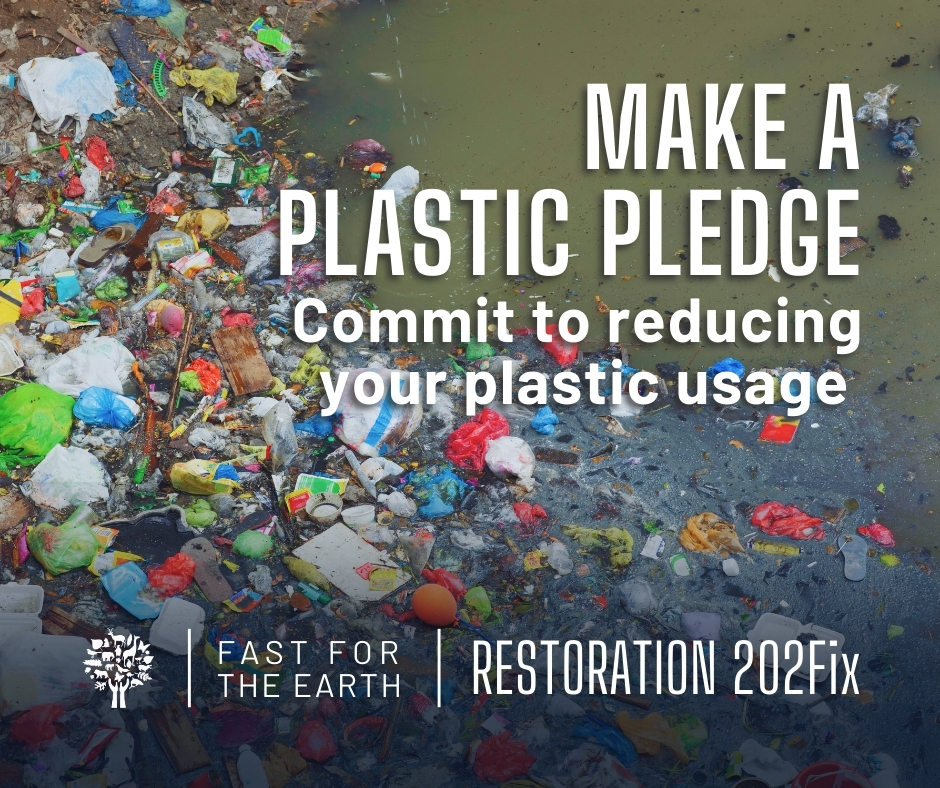
Pledge to use less plastic

“The earth is the Lord’s, and everything in it.” – Psalm 24:1 Lent is a season of reflection, repentance, and renewal. It is a time when Christians examine their lives and consider how they are living in relationship with God, with one another, and with creation. Psalm 24 reminds us that the earth does not belong to us — it belongs to God. We are caretakers, not owners. Reducing our use of plastic during Lent can therefore become a meaningful spiritual practice. Plastic pollution is one of the most urgent environmental challenges of our time. Single-use plastics clog rivers, pollute oceans, harm wildlife, and break down into microplastics that enter our food and water. The convenience we enjoy for a few minutes can damage ecosystems for hundreds of years. When we reflect on Christ’s call to love our neighbour, we must include those most affected by pollution — often poorer communities living near landfills or polluted waterways. Lent traditionally involves giving something up, not as punishment, but as a way of creating space for deeper faithfulness. Choosing to reduce plastic — by refusing single-use bags and bottles, carrying reusable containers, avoiding over-packaged goods, and recycling responsibly — becomes a practical act of discipleship. It trains us in mindfulness and self-restraint, virtues at the heart of the Lenten journey. Reducing plastic also aligns with the spirit of simplicity that Lent encourages. It invites us to question our patterns of consumption and to live more gently on the earth. Small daily choices, repeated over forty days, can form new habits that last long after Easter. Look at the areas of your life where you are using too much plastic and see what you can do to reduce This Lent, let us honour the Creator by caring for creation. In reducing plastic, we bear witness to a faith that is not only prayed — but lived.

Pledge to use less plastic Read More »

Ash Wednesday 2026

From Soil You Come, to Soil You Will Return ~ Genesis 3:19 (adapted) In a time of climate crisis, this biblical truth speaks with renewed urgency. If we come from soil, then the degradation of land, erosion, pollution, and extractive practices are not just environmental issues — they are spiritual ones. When soil is poisoned or stripped of life, something sacred is harmed. The ground that feeds us, holds water, and sustains ecosystems is a gift entrusted to our care. Each year on Ash Wednesday, Christians hear the solemn words: “Remember that you are dust, and to dust you shall return.” These words echo Genesis 3:19 and remind us of a profound truth: we are earth creatures. We come from the soil, and to the soil we will return. This is not a message of despair, but of belonging. In Genesis 2:7, God forms humanity from the dust of the ground and breathes life into it. We are both earth and breath — matter and spirit woven together. The soil is not separate from us; it is part of our story, our bodies, and our future. To remember that we return to soil is also to embrace humility. We are not masters of the earth, but participants in its cycles. Our lives are brief, but the earth endures. The soil receives kings and labourers alike, reminding us of our shared fragility and equality. Yet soil is also a place of hope. Seeds are buried in darkness and rise in new life. The Christian story proclaims resurrection — that death is not the final word. Even in returning to the earth, we trust in God’s renewing power. “From soil you come, to soil you will return” calls us to live gently, gratefully, and justly — honouring the earth from which we were formed and to which we belong.

Ash Wednesday 2026 Read More »