John-Paul Roberts

Quick Splash: Shorter Showers & Smarter Toilets

Wash yourselves, make yourselves clean;  – Isaiah 1:16 Save Water: Shorter Showers & Smarter Toilets Water is one of the most precious resources on the planet, yet we waste so much of it every day—especially in the shower and the toilet. Taking shorter showers and using less water when flushing can make a huge difference in saving water and protecting the environment. Why Take Shorter Showers? A 10-minute shower can use up to 100 liters of water! By cutting your shower to 5 minutes, you cut that in half—saving thousands of liters every year. Try setting a timer, listening to a short playlist, and turn the water off while soaping up to reduce waste. If your shower water takes a while to heat up them keep a bucket in the shower which you can use to flush the toilet. How to Use Less Water in the Toilet Toilets use a lot of water—older models can flush up to 12 liters per flush! To save water: Flush only when necessary (skip the unnecessary flushes). Use a dual-flush toilet or place a filled bottle inside the tank to reduce water per flush.Fix leaks—a running toilet can waste thousands of liters per month. These small changes might not seem like much, but together, they make a huge impact. Let’s be mindful of our water use—every drop saved helps the planet!

Quick Splash: Shorter Showers & Smarter Toilets Read More »

Eco-Friendly Clothes Washing

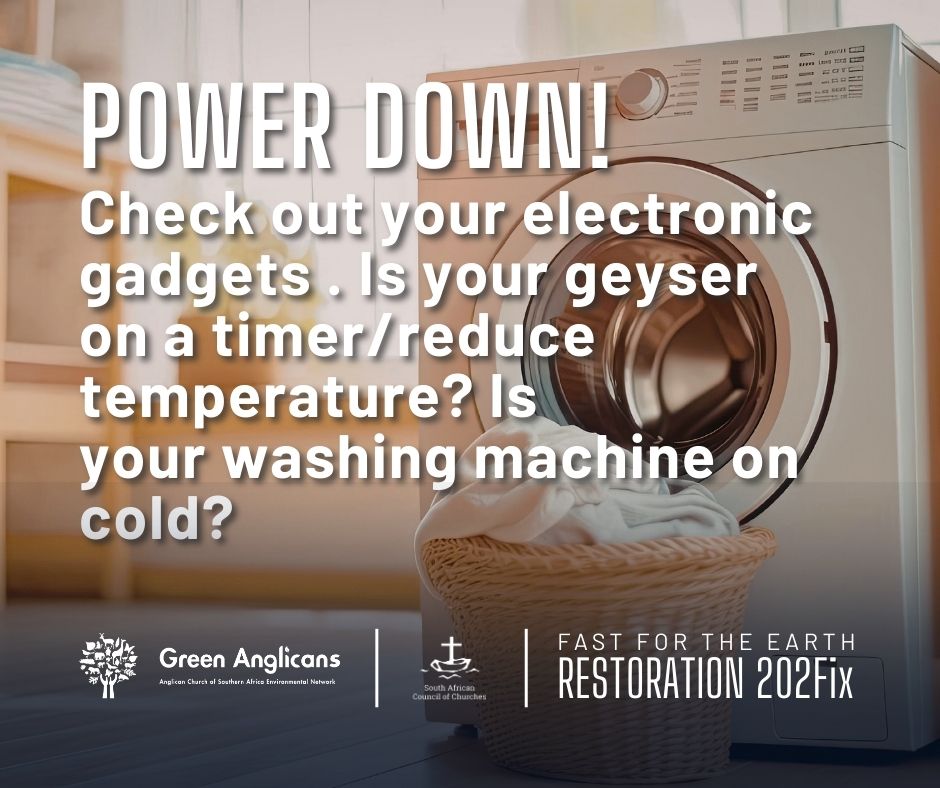
Save Water, Energy & the Planet Washing clothes is a part of life, but did you know it can harm the environment? From wasting water to polluting rivers with microplastics, laundry has a bigger impact than you might think. Here’s how to wash your clothes in a more eco-friendly way—whether you use a washing machine or do it by hand. Using a Washing Machine: Wash full loads – Running half-full loads wastes water and electricity. Wait until you have a full load to maximize efficiency. Use cold water – Heating water takes a lot of energy. Most clothes get just as clean in cold water, and it helps them last longer. Choose eco-friendly detergent – Many detergents contain chemicals that harm marine life. Look for biodegradable, plant-based options. Skip the dryer – Air-dry your clothes when possible. It saves energy and prevents wear and tear on fabrics.   Washing by Hand: Use a basin – Instead of running water continuously, fill a bucket or sink to soak and scrub clothes. Use minimal detergent – A little goes a long way, and it reduces the amount of chemicals rinsed into the environment. Reuse rinse water – If possible, use leftover rinse water for mopping or watering plants. Small changes make a big difference. Let’s wash smarter and protect our planet!

Eco-Friendly Clothes Washing Read More »

Leak Alert

Because of laziness the roof caves in,and because of negligent hands the house leaks. – Ecclesiastes 10: 18 Fix That Leak—Why Every Drop CountsA small leak might not seem like a big deal, but over time, it can waste thousands of liters of water. Think about it—one dripping tap can waste up to 20 liters a day! That’s water we can’t afford to lose, especially in a world where droughts and shortages are becoming more common. Mending leaks isn’t just about saving water—it also saves money on water bills and helps protect the environment. When we waste water, we also waste the energy used to pump, clean, and transport it. That means more pressure on natural resources and a bigger carbon footprint. As Christians, we have a responsibility to be smart about our water use. Checking for leaks, fixing dripping taps, and reporting pipe bursts in our communities are small but powerful actions. Every drop saved makes a difference. Let’s be the generation that values water before it’s too late! St Thomas Rondebosch, Cape Town had a problem with the pipes of their irrigation that was leaking they immediately called the service provider to come and fix all leaks. First all the water had to be shut down on the premises so that maintenance could occur. 

Leak Alert Read More »

Water Wise – Every drop counts

“Waters will burst forth in the wilderness, and streams in the desert plain” – Isaiah 35:6, 7 Lessons from Cape Town’s Day Zero: Why Water Matters In 2018, Cape Town faced a crisis that felt like something out of a movie—Day Zero, the moment when the city was at risk of running out of water. Dams were drying up, taps were almost turned off, and we had to change the way we used water. Suddenly, every drop mattered. For months, we took two-minute showers, reused water, and carried buckets to flush toilets. Restaurants stopped serving tap water, and people lined up for daily rations. It was scary, but it also opened our eyes to how much we take water for granted. Day Zero wasn’t just about Cape Town—it was a warning to the world. Climate change and water waste are real problems, and unless we act now, more cities could face the same crisis. Even though the crisis passed, the lessons remain: saving water isn’t just for emergencies—it’s a daily responsibility. Simple actions like turning off taps, fixing leaks, and using water wisely can prevent another Day Zero. We are the generation that can push for change. Water is life—let’s treat it like the precious gift it is, before it’s too late. Dr Kevin Winter , a member at Christ Church in Kenilworth was one of the speakers at the Water Conference . Kevin was a member of the Water Resilience Advisory Committee, which provides advice to the City of Cape Town’s Water Resilience Task Team that was set up in response to the Cape Town water crisis (2016-2018).. He says“Reducing water demand and using it more carefully decreases the fossil fuel energy required to produce clean drinking water. The more water used in waterborne households, the more sewage needs to be treated in energy-intensive sewage systems. Therefore, it stands to reason that reducing and conserving water use reduces the expansion of our collective carbon footprint and lowers our environmental impact and the rate of climate change. Think water, think energy.”

Water Wise – Every drop counts Read More »

Baptism Blessing – Share a photo

“For we were all baptized by one Spirit so as to form one body”- 1 Corinthians 12:13 Baptism and Water Stewardship: A Call to Care for God’s GiftBaptism is more than just a religious ceremony—it’s a symbol of new life, cleansing, and commitment to God. Water plays a central role, representing spiritual renewal and God’s grace. But have you ever thought about what this means for the way we treat water in our daily lives? Water is one of God’s greatest gifts, essential for life. Yet, many people around the world struggle to access clean water due to pollution, waste, and climate change. If baptism reminds us that water brings life and renewal, shouldn’t we also work to protect it? Caring for water isn’t just an environmental issue—it’s a spiritual responsibility. As Christians, we can make a difference by using water wisely, reducing pollution, and supporting efforts to provide clean water to communities in need. Stewardship of water reflects our faith in action. Just as baptism calls us to live differently, it also challenges us to respect and protect God’s creation. If water is sacred in baptism, it should also be sacred in everyday life. Let’s honor God’s gift by ensuring that clean water remains available for all—because faith isn’t just about belief, it’s about action. Rev Shaun Cozett from St Paul’s In Bree Street links the stewardship of water when he conducts a baptism. Each family can take a small amount of the baptismal water home. Please share the photos of your own or your child’s baptism!

Baptism Blessing – Share a photo Read More »

Psalm 19:1 – Protecting God’s Creation

 “The heavens declare the glory of God; the skies proclaim the work of his hands.” – Psalm 19:1 This verse reminds us that nature itself is a reflection of God’s greatness. When we look at the oceans, forests, and mountains, we see His beauty and power. But what happens when pollution, deforestation, and climate change destroy these gifts? Are we truly honoring God if we allow His creation to be damaged? God entrusted us with the earth, calling us to be stewards, not destroyers. Yet today, ecosystems are collapsing—forests are being cut down, rivers are drying up, and wildlife is disappearing. This isn’t just an environmental crisis; it’s a spiritual issue. When we carelessly waste resources, pollute the air and water, or ignore the suffering of those affected by environmental destruction, we fail in our responsibility as caretakers of God’s creation. Restoring ecosystems isn’t just about saving plants and animals—it’s about ensuring a future where people can thrive. Simple actions like planting trees, reducing plastic waste, and protecting water sources make a real difference. Speaking up for policies that protect the environment is another way to live out our faith. Psalm 19:1 reminds us that creation speaks of God’s glory. If we allow it to be destroyed, we silence that message. As Christians, we have the power to restore, protect, and care for the world God gave us—because loving God means loving His creation.

Psalm 19:1 – Protecting God’s Creation Read More »