John-Paul Roberts

Love Local

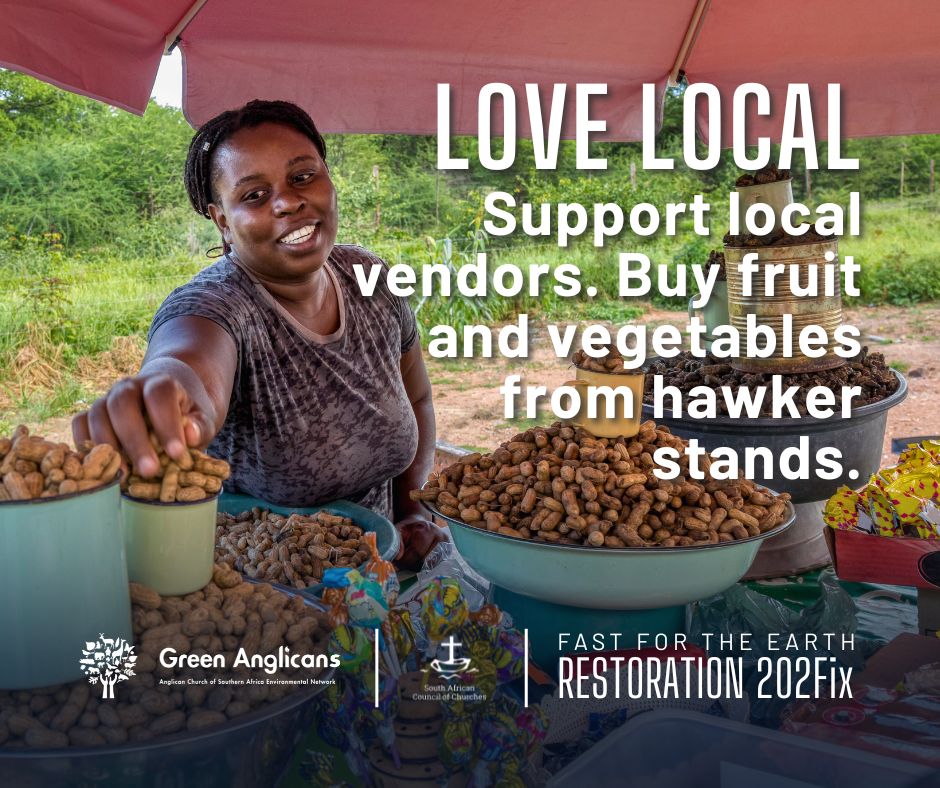
“You shall love your neighbour as yourself: I am the Lord.” – Leviticus 19:18 Loving our neighbour is one of the clearest commands in Scripture. Often we think of this in terms of kindness or compassion, but it can also shape the everyday choices we make—including where we buy our food and goods. Choosing to buy from local farmers, small shops, and community businesses is a practical way of living out the call to love our neighbour. When we support a local vegetable grower, baker, or craftsperson, we are helping to sustain the livelihoods of people in our own community. The money we spend does not disappear into a distant corporate system but circulates locally—supporting families, creating jobs, and strengthening the local economy. Economists often note that when money is spent locally, it is far more likely to be spent again within the community. A farmer who sells vegetables at a local market may use that income to pay local workers, buy supplies from nearby businesses, or support community services. In this way, each purchase becomes part of a network of care and mutual support. Buying local also has important environmental benefits. Many products in large supermarkets travel hundreds or even thousands of kilometres before reaching the shelf. This transport requires fuel, packaging, refrigeration, and storage, all of which contribute to greenhouse gas emissions and waste. Local produce, by contrast, often travels a much shorter distance from farm to table. It is usually fresher, requires less packaging, and has a much smaller carbon footprint. Supporting local businesses can also encourage more sustainable farming practices, community gardens, and small-scale food production. It helps build resilient food systems that are less dependent on long and fragile supply chains. Every purchase we make is a choice about the kind of world we want to support. By buying local, we put love of neighbour into action—caring for our community, strengthening our local economy, and protecting the earth that God has entrusted to us.
Love Local Read More »

Garden or Compost

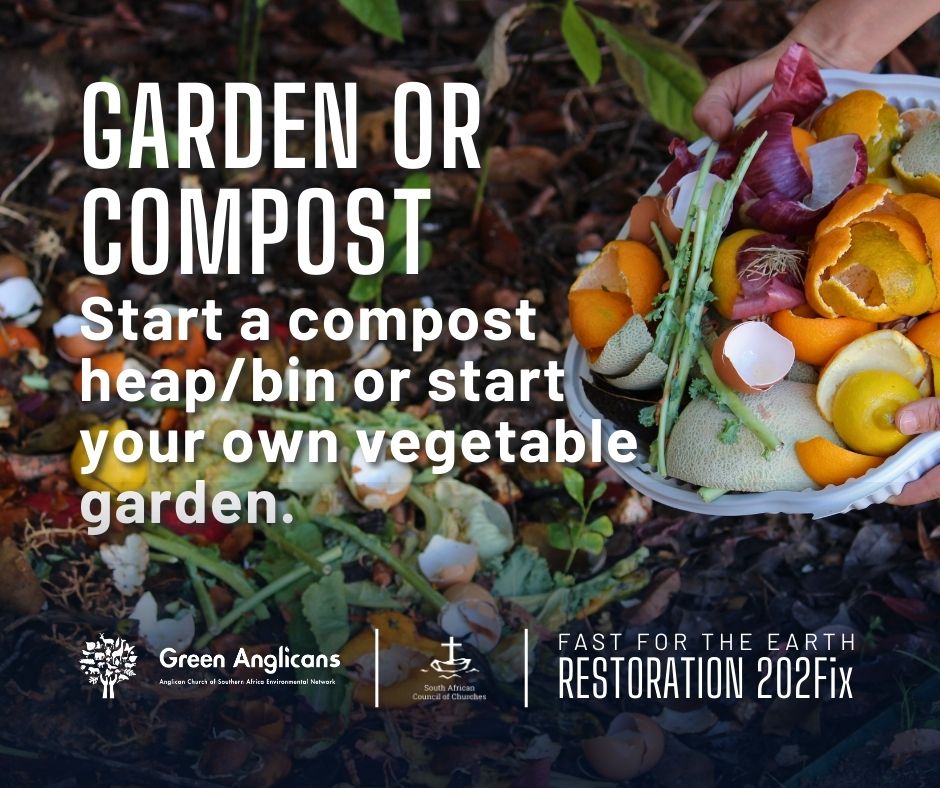
“Unless a grain of wheat falls into the earth and dies, it remains just a single grain; but if it dies, it bears much fruit.” – John 12:24 The Bible often reminds us that life follows cycles of growth, decay, and renewal. Composting beautifully reflects this pattern in nature. What we might think of as waste—vegetable peels, fruit skins, coffee grounds, and garden leaves—can actually become rich soil that nourishes new life. Instead of sending organic waste to landfill, composting allows it to return to the earth. In landfills, food waste breaks down without oxygen and produces methane, a powerful greenhouse gas that contributes to climate change. But in a compost heap or bin, these same scraps decompose naturally and turn into nutrient-rich compost that improves the soil. Compost feeds the garden. It helps the soil retain water, supports healthy microbes, and gives plants the nutrients they need to grow strong. Whether you have a large garden, a small yard, or even a few pots on a balcony, compost can help vegetables, herbs, and flowers flourish. Starting a compost system is simple. A small bin or heap can hold fruit and vegetable scraps, tea bags, eggshells, coffee grounds, dry leaves, and grass cuttings. Avoid meat, dairy, and oily foods. Over time, nature does its quiet work, transforming what was once waste into dark, fertile soil. Composting is also a spiritual reminder. Just as a seed must fall into the earth to bear fruit, the things we discard can become the source of new life. God’s creation wastes nothing. By composting, we participate in this sacred cycle. We turn leftovers into life, nourish the soil, and care for the earth that God has entrusted to us. 🌱
Garden or Compost Read More »

The Year of the Paper Bag

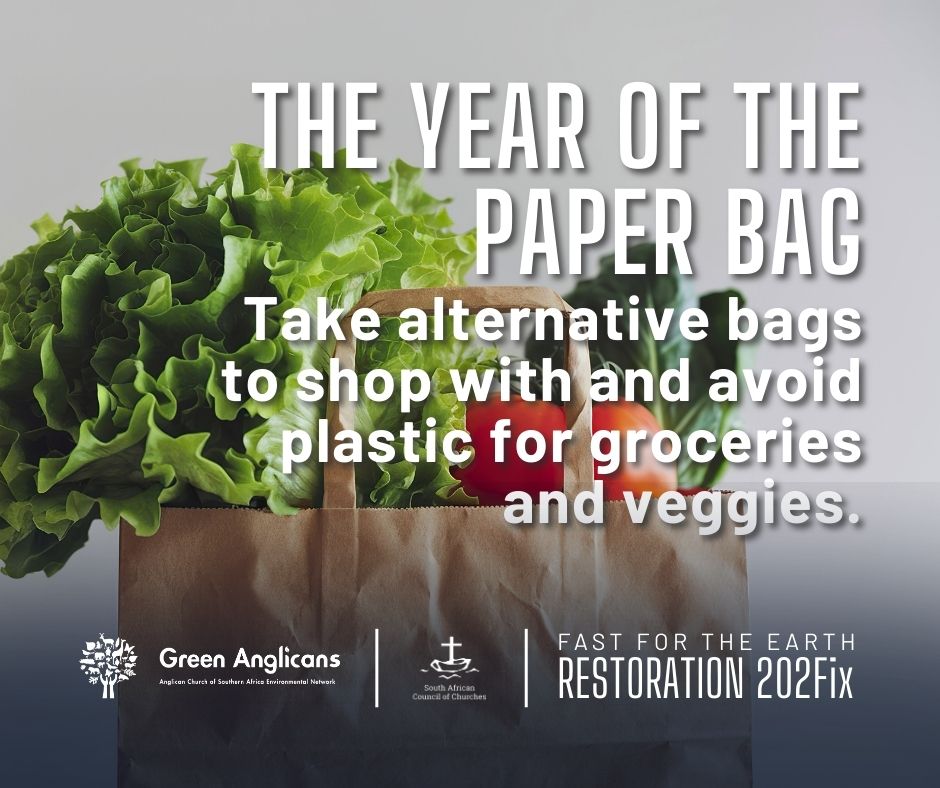
“Whoever is faithful in a very little is faithful also in much.” – Luke 16:10 Sometimes caring for the earth begins with very small choices. One of the simplest actions we can take is to bring our own reusable bag when we go shopping. It may seem like a tiny habit, but as Jesus reminds us, faithfulness in small things reflects a deeper commitment to what truly matters. Every year millions of plastic bags are used for just a few minutes and then thrown away. Many end up in landfills, rivers, and oceans where they can remain for hundreds of years. Plastic bags harm wildlife, clog drainage systems, and break down into tiny microplastics that pollute soil and water. What feels convenient in the moment can leave a long legacy of pollution. Bringing your own bag is a small act of responsibility that can make a real difference. A strong cloth or woven bag can be used hundreds of times. By keeping a reusable bag in your car, handbag, or backpack, you can easily avoid single-use plastics when buying vegetables, fruit, bread, and groceries. Reusable produce bags or small cloth bags are also helpful for loose vegetables. Instead of placing tomatoes, apples, or potatoes into thin plastic bags, we can weigh and carry them in our own containers. These simple choices reduce waste and remind us that God’s creation is precious. The verse from Luke teaches that the way we handle the small things in life reflects our character. Environmental care is not only about large policies or global agreements; it is also about everyday habits. Choosing a reusable bag is a quiet act of stewardship. Next time you head to the shop or market, pause before you leave the house. Take a reusable bag with you. In doing so, you practice faithfulness in a small thing—and help protect the beautiful earth that God has entrusted to us. 🌍🛍️
The Year of the Paper Bag Read More »

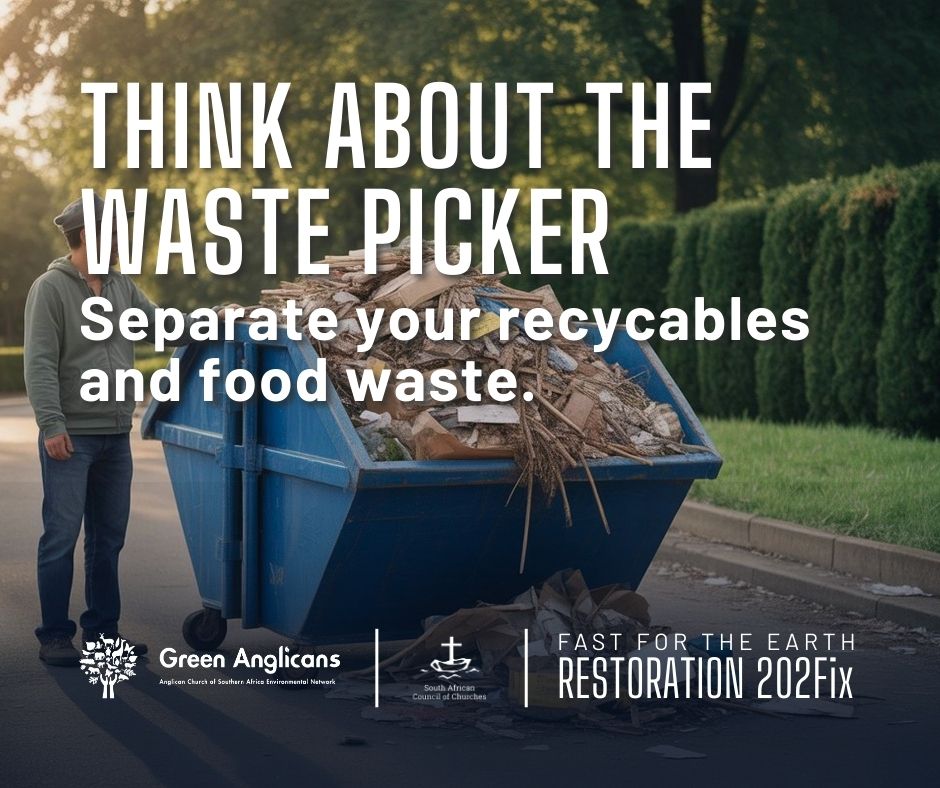
Think about the Waste Picker

“He raises the poor from the dust and lifts the needy from the ash heap; he seats them with princes, with the princes of his people.” – Psalm 113:7–8 This beautiful psalm reminds us that God sees those whom society often overlooks. The “ash heap” in biblical times referred to the place where rubbish and ashes were thrown outside the city. It symbolized the lowest place in society. Yet the psalm proclaims a powerful truth: God lifts people up from places of rejection and restores their dignity. Today this verse speaks deeply to the lives of waste pickers. Across many cities and towns, thousands of people earn their living by collecting recyclable materials from bins, streets, and landfill sites. Their work reduces pollution, keeps valuable materials in circulation, and helps care for the earth. In many ways, waste pickers are quiet environmental stewards, helping to heal the planet by rescuing what others have thrown away. Yet their work is often difficult and dangerous. Waste pickers frequently have to search through mixed rubbish, encountering broken glass, rotting food, and other hazardous materials. A simple act from households can make a big difference to their safety and dignity. Sorting and washing our recyclables is an important step. When we separate paper, plastics, metal, and glass from food waste, we make it easier and safer for waste pickers to recover these materials. Rinsing containers and keeping recyclables clean prevents unpleasant smells, reduces health risks, and allows the materials to be sold more easily. These small actions show respect for the people whose livelihoods depend on recycling. Psalm 113 reminds us that every person carries God-given dignity. When we think about what happens to our rubbish after we throw it away, we begin to see the hidden human stories behind it. So the next time you empty your bin, pause for a moment. Sort your waste. Rinse your containers. Recycle carefully. In doing so, you honor the work of those who labour among society’s discards—and participate in God’s vision of lifting people from the ash heap into dignity and hope. ♻️

Think about the Waste Picker Read More »

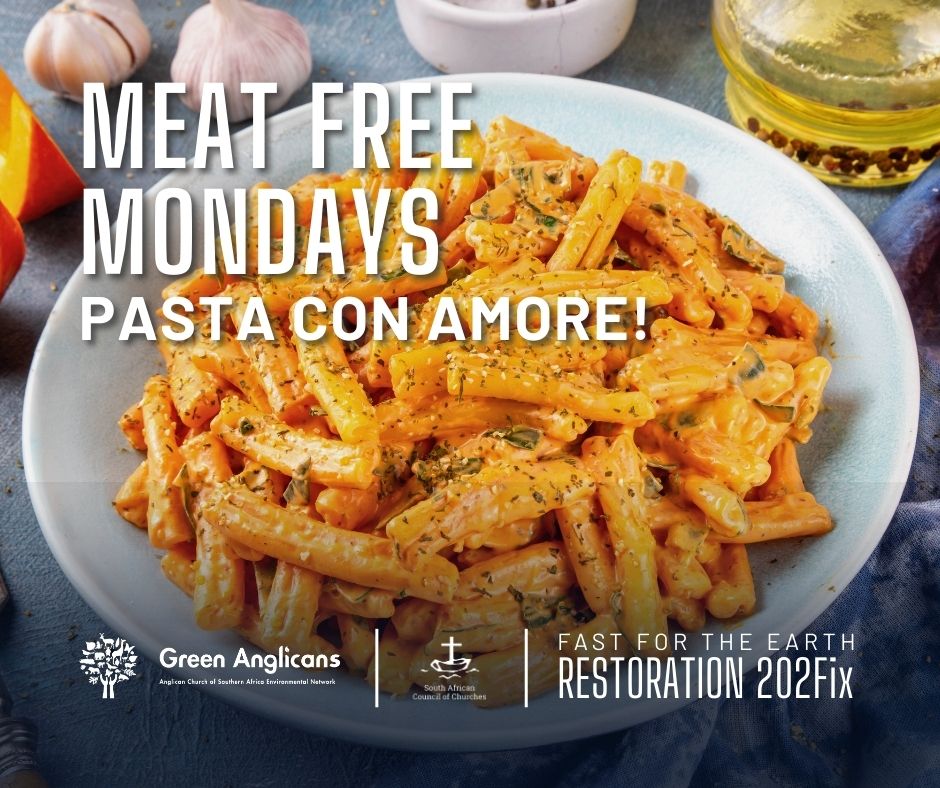
PASTA CON AMORE!

This short proverb carries a powerful truth. God reminds us that love matters more than abundance. A simple meal shared with kindness, gratitude, and peace is far better than a rich feast eaten in anger or excess. In a world where food choices often have consequences for our health, our communities, and the planet, this wisdom feels especially relevant. A humble bowl of pasta with vegetables can be an expression of simplicity, hospitality, and care for creation. Choosing plant-based meals even occasionally reduces our environmental footprint, uses fewer natural resources, and encourages us to value the gifts of the earth. But this verse is about more than food—it is about the spirit in which we eat. Meals are meant to be moments of connection. When we gather around a table with gratitude and love, even the simplest ingredients become a blessing. Pasta is a perfect example of this principle. It is affordable, nourishing, and easy to prepare. A simple pasta dish can feed a family, welcome a friend, or provide comfort after a long day. What matters most is not luxury, but the love shared around the table. Here are three very simple pasta ideas that celebrate vegetables and simplicity: Garlic and Tomato Pasta Cook spaghetti and toss with olive oil, crushed garlic, chopped tomatoes, and a handful of fresh basil. Season with salt and pepper. Lemon Spinach Pasta Mix cooked pasta with sautéed spinach, oil, lemon zest, and a squeeze of lemon juice. Add a little grated cheese if desired. Roasted Vegetable Pasta Roast chopped zucchini, peppers, and onions in the oven with a little oil. Toss them with pasta and a spoon of pesto (if available) Today, let your meal be simple. Cook a bowl of pasta, add vegetables, and most importantly, share it with love.

PASTA CON AMORE! Read More »

Third Sunday in Lent 2026

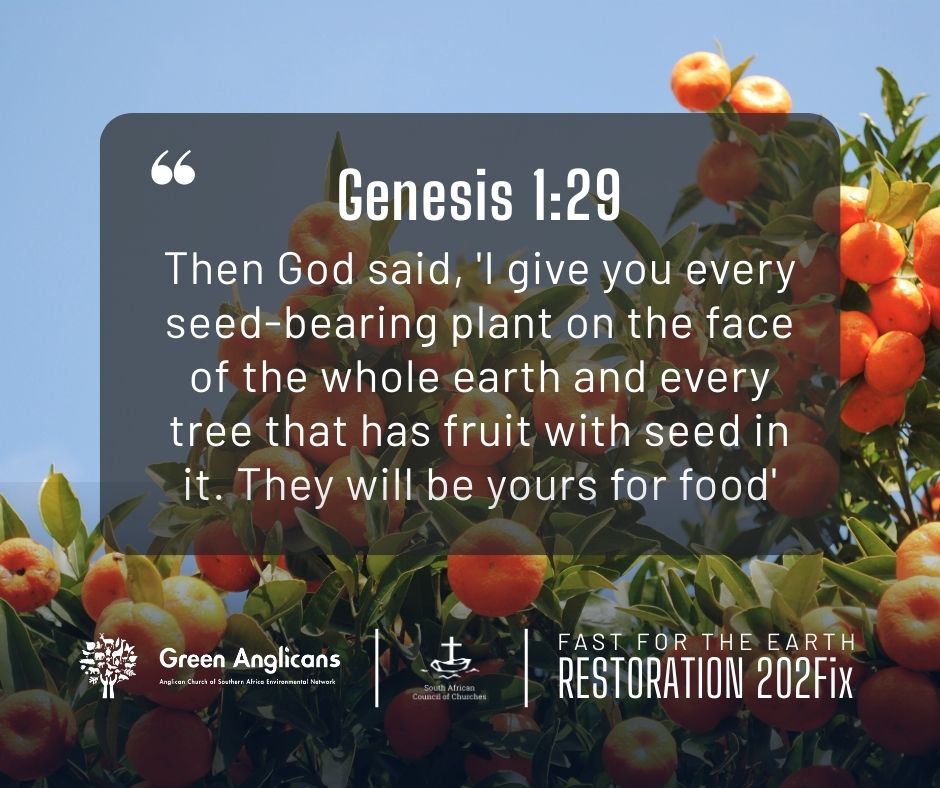
Then God said, ‘I give you every seed-bearing plant on the face of the whole earth and every tree that has fruit with seed in it. They will be yours for food.’ – Genesis 1:29 Genesis 1:29 reminds us of God’s original vision for nourishment and life: From the very beginning of the biblical story, plants are offered as a gift for human flourishing. Today, returning even partially to a more plant-based diet can be a meaningful way to care for our bodies and for God’s creation. A diet rich in vegetables, fruits, legumes, grains, and nuts brings many health benefits. Research shows that plant-based diets are linked to lower rates of heart disease, high blood pressure, and type 2 diabetes. Plants are rich in fibre, vitamins, and antioxidants that help strengthen the immune system and support long-term wellbeing. Even simple changes—such as eating more beans, lentils, vegetables, and whole grains during the week—can make a significant difference. Choosing more plant-based meals also helps care for the planet. Producing plant foods generally requires far less land, water, and energy than producing meat. It also generates fewer greenhouse gas emissions. By shifting our plates toward plants, we reduce pressure on forests, soil, and water resources, helping protect the ecosystems that sustain all life. Another powerful step is to grow some of your own food, even if it is only a few herbs, tomatoes, or spinach in a small garden or container. Gardening has surprising mental health benefits. Spending time with soil and plants can reduce stress, improve mood, and create a sense of peace and connection with nature. Watching something grow from seed to harvest also nurtures patience, gratitude, and a deeper awareness of God’s provision. Moving toward a plant-rich diet does not have to be perfect or immediate. Small steps—like a few meat-free meals each week or planting a small vegetable patch—can become acts of faith and care for creation. Reflection: What small step could you take this week to enjoy more of God’s gift of seed-bearing plants? 🌱🥕

Third Sunday in Lent 2026 Read More »