#fast4earth

Spring in Action

John replied, “If you have two shirts, give one to the poor. If you have food, share it with those who are hungry.” – Luke 3:11 Spring Cleaning for a Purpose: Blessing Others & Caring for Creation Spring cleaning isn’t just about tidying up—it’s an opportunity to bless others and care for the environment. As Christians, we are called to be good stewards of what we own. Luke 3:11 reminds us, “Anyone who has two shirts should share with the one who has none, and anyone who has food should do the same.” Clearing Out Clothes Sustainably Fashion has a huge environmental impact—fast fashion leads to pollution, wasted water, and massive amounts of clothing ending up in landfills. Instead of letting old clothes gather dust or throwing them away, why not donate them to those in need? Churches, shelters, and thrift stores will make sure your pre-loved clothes get a second life. Choosing to buy quality, second-hand, or sustainable clothing also helps reduce fashion waste. Sharing Food Instead of Wasting It Many people in our communities struggle with hunger, yet so much food goes to waste. As you clean out your kitchen, check for non-perishable food you don’t need and donate it to food banks or community organizations. Instead of throwing away food close to its expiry date, find ways to use it or share it with others. Spring cleaning isn’t just about organizing—it’s about living simply, reducing waste, and being generous. When we give away what we don’t need, we help others, protect the planet, and honor God’s call to care for His creation. Christ Church Constantia in Diocese of Cape Town started a second-hand store that allows people to drop off used items that could be repurchased and the money from the store goes towards outreach ministry within the community.

Spring in Action Read More »

4th Sunday in Lent 2025

Genesis 1:29 says, “Then God said, ‘I give you every seed-bearing plant on the face of the whole earth and every tree that has fruit with seed in it. They will be yours for food.’” This verse reminds us that food is a gift from God, meant to nourish our bodies and sustain life. But how we eat and cook also affects the environment, our health, and our spirituality. Eating in an Environmentally Friendly Way God created the earth with balance, yet modern food systems often harm creation. Industrial farming, food waste, and plastic packaging pollute the environment. As Christians, we can reduce our impact by choosing local, seasonal foods, eating more plant-based meals, and minimizing waste. When we waste food, we waste God’s blessing. Cooking as an Act of Stewardship Cooking from scratch, using fresh and whole ingredients, respects God’s natural provision. Avoiding highly processed foods and excessive meat consumption reduces our carbon footprint. Using energy-efficient cooking methods, like steaming or slow cooking, also conserves resources. The Spiritual Side of Eating Eating is not just physical; it’s spiritual. Jesus often used meals to bring people together, showing that food is meant to be shared. When we prepare meals with care, express gratitude, and share with those in need, we reflect God’s love. By choosing environmentally friendly ways to eat and cook, we honor God, care for our bodies, and protect creation. Let’s treat food as a sacred gift and use it wisely.

4th Sunday in Lent 2025 Read More »

Eco-Friendly Feasts

Acts 14:17, “The living God… gave us rain from heaven, and fruitful seasons, filling our hearts with food and gladness. Hosting an Eco-Friendly Event as a Christian As Christians, we are called to care for God’s creation. Genesis 2:15 reminds us that God placed us on Earth to tend and protect it. When planning a big event—whether it’s a church gathering, a wedding, or a birthday party—we should think about how to celebrate without harming the environment.How to Make Your Event Eco-Friendly: Reduce Waste – Instead of plastic plates and cups, use reusable or biodegradable options. If you must use disposables, choose paper or plant-based alternatives. Encourage guests to recycle! Choose Local and Seasonal Food – Buying from local farmers reduces food miles and supports communities. Avoid excess food waste by planning portions carefully and donating leftovers.Ditch Single-Use Plastics – No bottled water! Set up refill stations with jugs of water and encourage guests to bring reusable bottles. Eco-Friendly Décor – Balloons and plastic decorations end up as waste. Try natural decorations like flowers, candles, or fabric banners that can be reused. Sustainable Transportation – Encourage carpooling, biking, or public transport to reduce carbon emissions. By planning with God’s creation in mind, we can host joyful, meaningful gatherings without harming the planet. Small actions—like using less plastic, wasting less food, and choosing sustainable options—can make a big difference. Let’s celebrate responsibly, honoring both God and the Earth He has entrusted to us.The parish of St Paul’s Diocese of George showed us how to run an environmental high tea! As part of our Patronal festival week, our Parish commemorated our Patron Saint, Saint Paul, by hosting a “Environmental High Tea” which was an innovative concept that combines the traditional elegance of high tea with environmental awareness and sustainability. Here’s what it entailed: Key Elements Eco-friendly venue: The high tea was hosted in a venue that prioritizes environmental sustainability, such as our church garden. Locally sourced ingredients: The tea, food, and refreshments were made from locally sourced, organic, and sustainable ingredients to minimize carbon footprint. Zero-waste policy: The event produced zero waste by using compostable or biodegradable tableware, linens, and decorations. Sustainable fashion: Guests may be encouraged to wear sustainable, eco-friendly, or second-hand clothing to promote environmentally responsible fashion practices. Benefits and Impact Raises environmental awareness: The event had educate guests about environmental issues and promotes sustainable living practices within and around our parish and community we find ourselves in. Supports local communities: By using locally sourced ingredients and supporting eco-friendly businesses, our parish contributes to the local economy. Fosters community engagement: The Environmental Hig Tea had brought people together to share ideas, experiences, and tips for sustainable living, promoting a sense of community and collaboration. Promotes sustainable lifestyle choices: By showcasing eco-friendly products, services, and practices, the event encourages guests to make more sustainable lifestyle choices.

Eco-Friendly Feasts Read More »

Herbs for Lent: Grow your own flavour

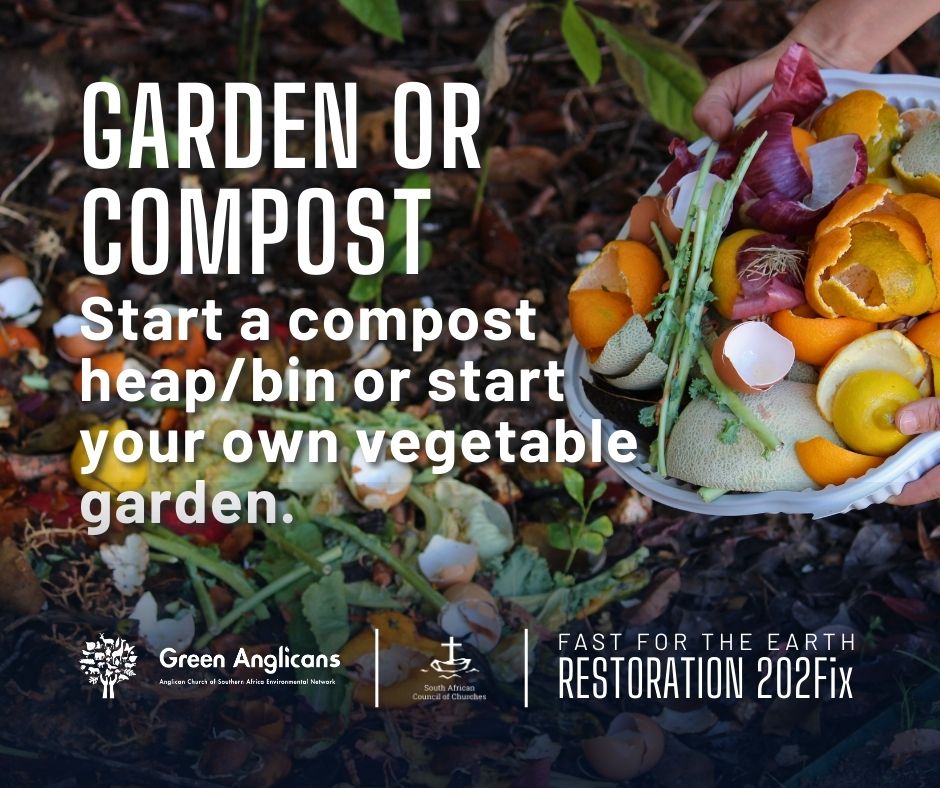
“He makes grass grow for the cattle, and herbs for people to cultivate—bringing forth food from the earth:” – Psalm 104: 14 Growing herbs is a great way to connect with nature and appreciate God’s creation.” Herbs are one of these amazing gifts—they are easy to grow, useful for cooking, and even have health benefits! How to Grow Herbs Herbs like basil, mint, rosemary, and parsley can be grown in small spaces, even if you don’t have a garden. You can plant them in pots on a windowsill, balcony, or backyard. They need: Sunlight – At least 4-6 hours a day. Water – Keep the soil moist but not too wet. Good soil – Use well-draining soil with nutrients.Simply plant the seeds or seedlings, water them regularly, and watch them grow! What Can You Use Herbs For? Cooking – Fresh herbs make meals taste better and healthier. Basil is great for pasta, mint for tea, and rosemary for roasted veggies. Health – Many herbs have healing properties. Mint helps with digestion, and chamomile is calming. Helping Others – You can share your herbs with family, friends, or even your church community. By growing herbs, you care for God’s creation and reduce waste by using fresh ingredients instead of store-bought ones wrapped in plastic. It’s a simple way to live sustainably, be healthier, and honor God’s gifts. St Andrew’s Steenberg in the Diocese of Cape Town started a Gardening for Health Club which was birthed on 23rd September 2024 and sprouted from the Food Gardening Course, run by Soil for Life. The focus for 2025 is on Herbs and covers how to plant, grow & care for a variety of herbs, it’s benefits and medicinal properties. They meet once a month and share easy recipes pertaining to the herb of the month on the group chat. The participants also receive the herbs or seeds to continue the journey at home. The herb for March is Garlic. Chives Tumeric Rosemary Parsley Parishioner growing tomatoes Spinach Parishioner with the start of her herb and veggie garden

Herbs for Lent: Grow your own flavour Read More »

Ditch the Junk: Donate the money

“So whether you eat or drink or whatever you do, do it all for the glory of God.” – 1 Corinthians 10: 31 Giving Up Junk Food: Honoring God with Healthy Choices As Christians, we are called to honor God with our bodies. But how often do we really think about what we eat? Junk food—fast food, sugary snacks, and processed meals—might be convenient, but it doesn’t nourish our bodies the way God intended. Too much junk food leads to low energy, weight gain, and even long-term health problems like diabetes and heart disease. It also affects our mental well-being, making us feel sluggish and unfocused. When we fuel our bodies with unhealthy food, we are not giving ourselves the best chance to serve God with strength and energy. Giving up junk food doesn’t mean never enjoying a treat, but it does mean being more intentional about what we eat. Choosing fresh, whole foods—fruits, vegetables, lean proteins, and whole grains—gives our bodies the nutrients they need to thrive. Cooking at home instead of relying on fast food helps us appreciate God’s provision and avoid unnecessary waste. Jesus fed people with simple, nourishing food—bread, fish, and natural produce. We can follow His example by treating food as a blessing, not just as a quick fix for cravings. By making healthier choices, we respect the bodies God has given us and live with more energy to fulfill His purpose. Let’s honor God by fueling ourselves wisely!

Ditch the Junk: Donate the money Read More »

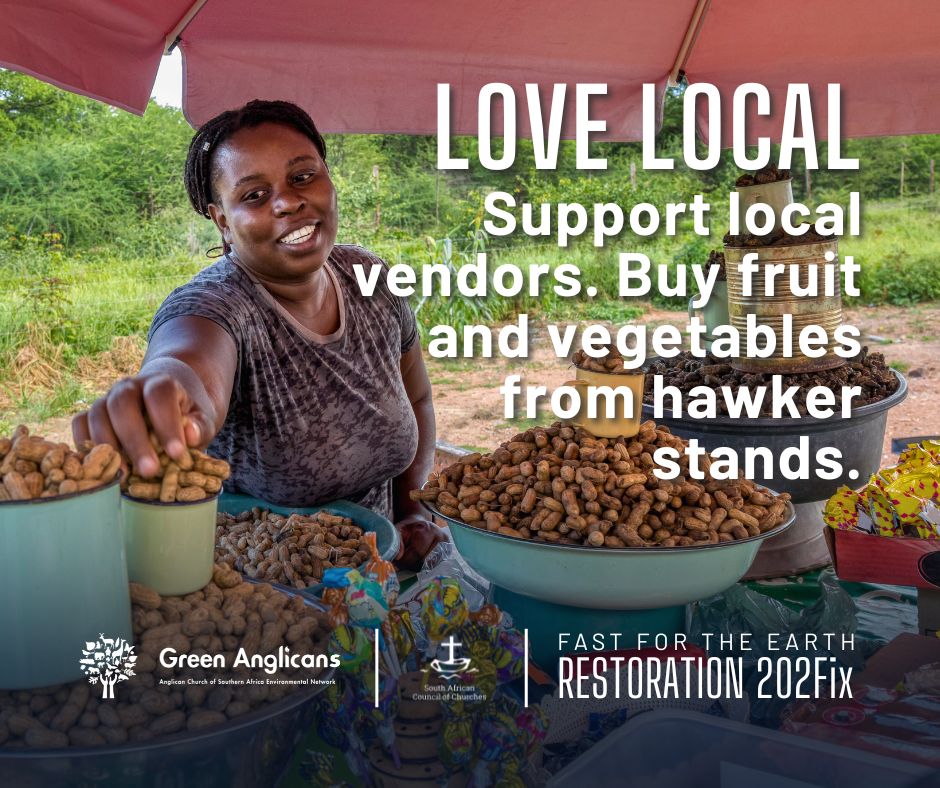
Local Love: Support local farmers

Jesus asked Philip, “Where can we buy enough food to feed all these people?” –John 6:5 Buying Local: A Christian Way to Care for Creation As Christians, we are called to care for God’s creation and love our neighbors. One simple way to do both is by buying local food and reducing food miles—the distance food travels from farms to our plates. The farther food has to travel, the more fuel is burned, adding pollution to the air and harming the environment. Think about it: when we buy imported apples instead of locally grown ones, those apples may have traveled thousands of kilometers by plane, truck, or ship. That means more carbon emissions, more pollution, and more harm to God’s creation. But when we buy from local farmers and markets, we support our communities, reduce pollution, and enjoy fresher, healthier food. Jesus often used farming and food in His teachings. He understood the value of the land and the people who worked it. Supporting local farmers means valuing the hands that grow our food and making sure they earn a fair living. It’s also a way of showing gratitude for God’s provision. So how can we take action? Choose fresh, seasonal produce from nearby farms. Shop at farmers’ markets or support local food businesses. Every choice we make matters. You can help to support a local family by buying from them. By buying local, we reduce waste, protect the planet, and honor God’s gift of creation. It’s a simple but powerful way to live out our faith and make a real difference in the world around us.

Local Love: Support local farmers Read More »