News

Environmental Awareness at St Peter’s Parish: Diocese of Khahlamba

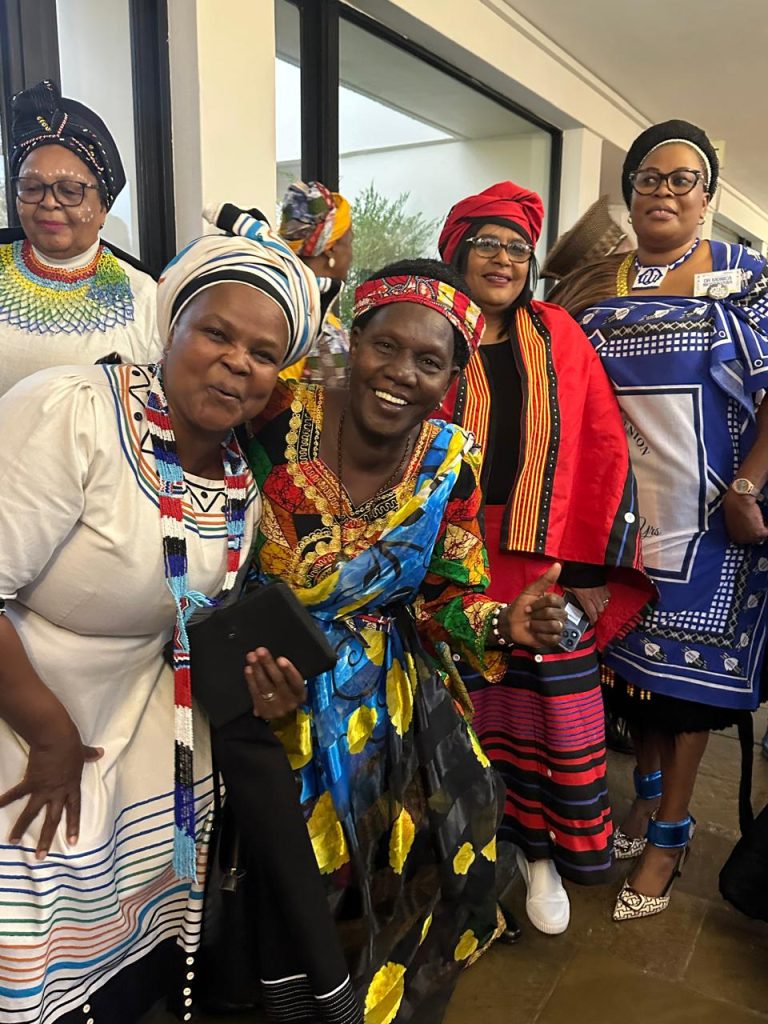
On the 27th of July 2025, the Diocese of Khahlamba Environmental Coordinator, Ms Zikhona Mzalisi, was invited by the Mothers’ Union of St Peter’s Parish in Ezibeleni to lead an awareness session on environmental management. The session formed part of the broader Plastic Free July campaign, with a special focus on addressing the urgent issue of single-use plastic pollution. The session aimed to deepen understanding of plastic pollution, unpacking what it is, how plastic is produced and consumed (its life cycle), and the far-reaching consequences it has on both the environment and human wellbeing. Ms Mzalisi also emphasised the need for Mother’s Union members and the broader Anglican community in the diocese of Khahlamba to actively support the Green Anglicans Movement, highlighting its mission to equip and inspire faith communities to respond to taking care of our common home, Mother Earth. Compiled by : Zikhona Mzalisi, (Diocesan Environmental Coordinator)

Environmental Awareness at St Peter’s Parish: Diocese of Khahlamba Read More »

Saldanha Bay AYF Leads Beach Cleanup at Bloubergstrand

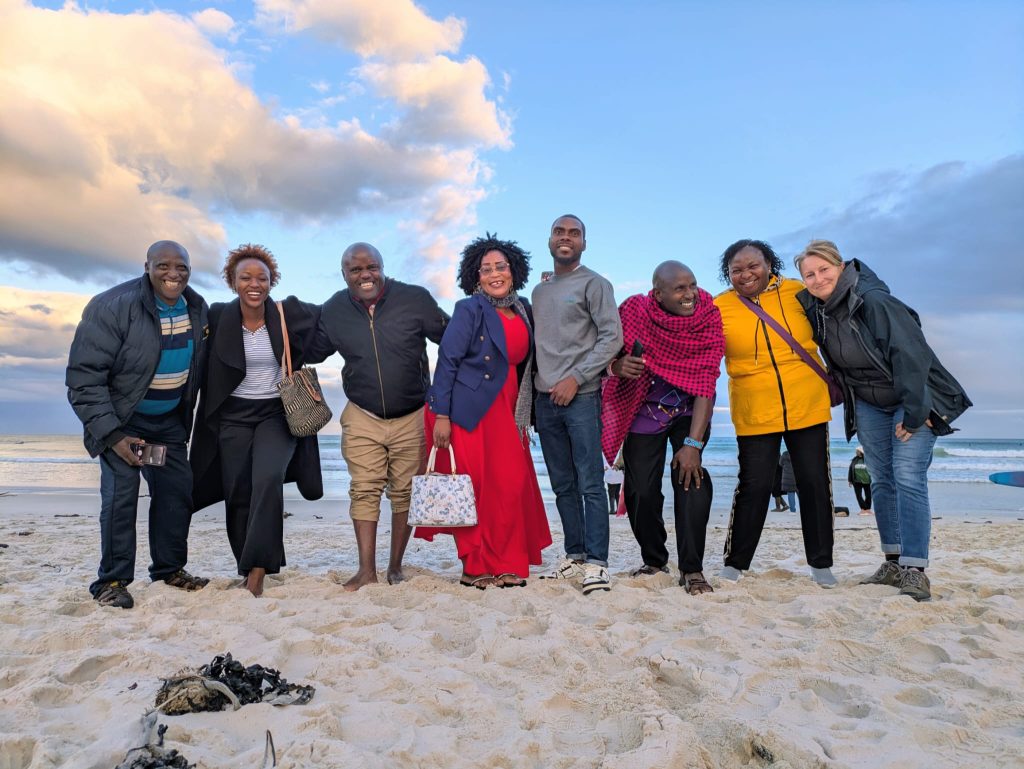
On Saturday, 26 July 2025, the Anglican Youth Fellowship (AYF) from the Diocese of Saldanha Bay came together for a meaningful and inspiring beach cleanup at Bloubergstrand Beach. The initiative was not only about cleaning up litter, but also a powerful moment of learning and reflection for the young people involved. The cleanup experience was both fascinating and enlightening. As the group combed the shoreline, they were struck by how seemingly small pieces of litter, bottle caps, cigarette butts, and plastic wrappers could contribute so significantly to environmental degradation. These small items not only make our spaces look untidy but also pose serious threats to marine life. This beach cleanup was a timely reminder that caring for our environment is not just about big actions, but calls for us to start with small, consistent efforts. By safeguarding our oceans and coastlines, we are also protecting the fragile ecosystems that sustain life on Earth. The AYF extends heartfelt appreciation to the Green Anglicans movement for their generous donation and support. Compiled by: Malesedi Lebenya

Saldanha Bay AYF Leads Beach Cleanup at Bloubergstrand Read More »

ST MARY MAGDALE GUILD HOSTING A PLASTIC-FREE & PAPERLESS COMMEMORATION

On Saturday, 26 July 2025, the Mary Magdalene Guild (MMG) in the Diocese of Mpumalanga held its annual commemoration at St Mary’s, Kabokweni, in the Archdeaconry of the Escarpment. In alignment with the Green Anglicans campaign and in recognition of July as Plastic-Free Month, the Archdeaconry Task Team, which included the Executive Committee from the hosting parish (St Mary’s) and the Archdeaconry Executive Committee for MMG, made a joint resolution to make the event as eco-conscious as possible. To reduce plastic waste, the team opted for biodegradable takeaway containers, cups, and balloons. A more significant shift, however, was the decision to go completely paperless. Delegates were encouraged to use their mobile devices to access the programme, and a PDF version of the Anglican hymn book was shared in advance. While this transition presented some challenges, it ultimately demonstrated that with intentional planning and collective will, it is indeed possible to host large church gatherings in an environmentally responsible way. The experience served as a practical example of living out our faith in the stewardship of creation. Compiled by: Tiwonge Mary Banda

ST MARY MAGDALE GUILD HOSTING A PLASTIC-FREE & PAPERLESS COMMEMORATION Read More »

Anglican Students attend the CitiesAdapt Policy Dialogue on Urban Climate Resilience

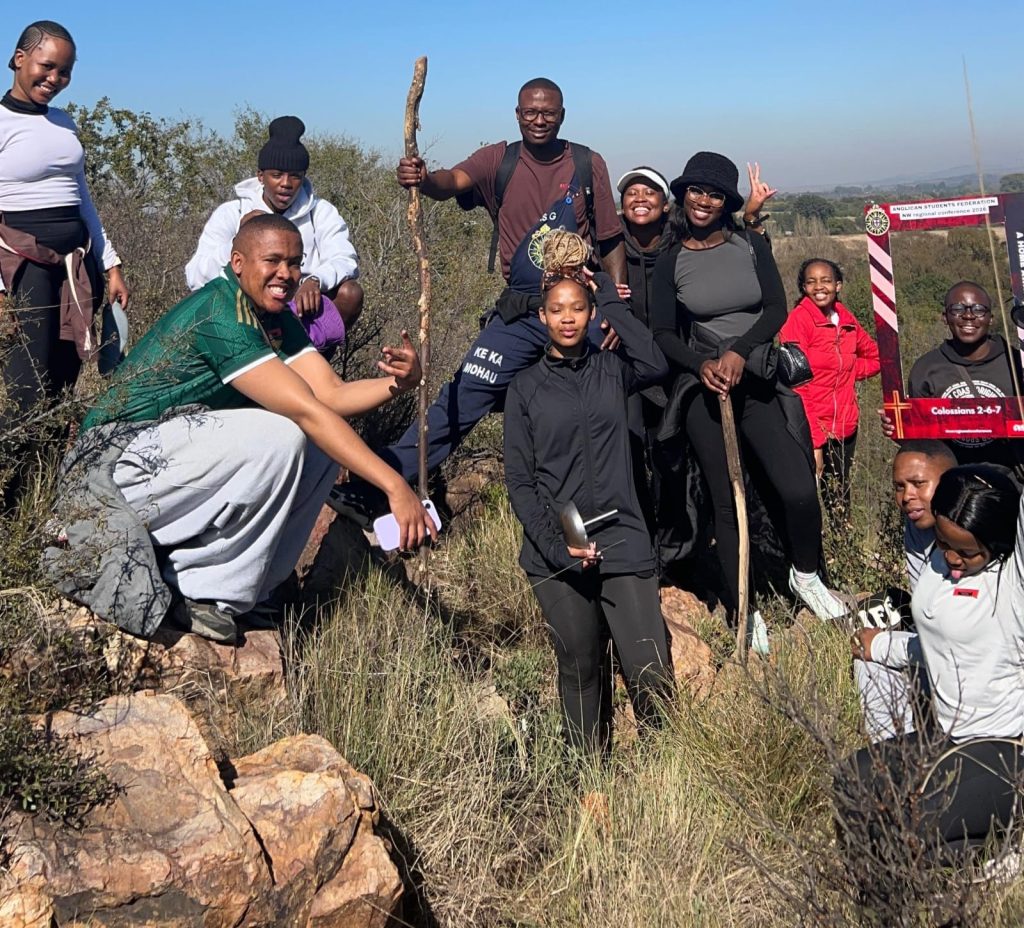
I had the honour of attending the CitiesAdapt Policy Dialogue on Urban Climate Resilience in the Context of South African Cities on Monday, July 21, 2025, with my Regional Chairperson, Kgantsho Ramakau. The event, which was held in Sandton, brought together young leaders, civil society, municipal officials, and politicians for a lively discussion on how cities might address the climate problem.Each of the three sessions that made up the dialogue provided profound insights and useful information. I’ve outlined my main conclusions from each session below: Session 1: Financing Urban Resilience – Pathways to Scalable Adaptation I found this session particularly noteworthy as it brought attention to how important funding is to the advancement of climate adaption initiatives. I was highly motivated seeing young professionals from the National Treasury and World Bank.Along with learning more about the work of GIZ and the Development Bank of Southern Africa (DBSA), I also developed a better understanding of how financial transparency directly affects the success of climate initiatives. This dialogue made it very evident that execution is impossible without financial input. Therefore it is very important that when looking for investors the past financial records are presented faithfully so , with honesty so that the investors can be motivated to invest in Climate Change initiatives, another reason why financial transparency is significant to this is because there is less likely monetary return on investing on initiatives like this which makes it more difficult to get investors , however with clear presentation potential investors may invest seeing the social benefits to this initiative. Session2: Implementation and Scaling of Urban Climate Solutions Municipalities like uMhlathuze, Mbombela, eThekwini, and Drakenstein presented case studies of their local efforts to combat climate change during this session.The City of Mbombela’s river-cleaning initiative, which was praised by eThekwini Municipality, was the most noteworthy. A real example of sustainable development in action, this initiative promotes community uplift and employment creation in addition to environmental conservation.I was reminded throughout the session that local governments have the ability to effect significant change and that, with the right backing and expansion, even modest projects may have a significant influence. Session3: Policy Coherence and Multi-level Governance The significance of coordinating climate change policy at all governmental levels was covered in this session. I valued hearing other departments’ points of view, and I took special notice of the South African Local Government Association’s (SALGA) demand for more local government participation in climate decision-making.Collaboration across the national, provincial, and local levels of government is necessary for significant change, as this conversation made clear. It was suggested that with collaboration and implementation, everything should start locally at the grounds of everything, especially with local municipalities, as they know the struggles and issues of their environment better it’ll make the job easier in mitigating the causes of climate change, so that the issue can be resolved bit by bit than starting big in the national levels where there’s different problems from different locals, in that way it can be complicated and hard to achieve the goal of mitigating these causes of Climate Change. The policy of climate change should not be written at national levels but should be a consolidated policy made up of policies from different locals based on issues faced by the locals. Final Remarks This was an empowering as well as educational experience. I’m really grateful to Climate YES and Green Anglicans for giving me the chance to attend and take in this insightful discussion. Our mission as Green Anglicans is to support, empower, and hold the Church responsible for its stewardship of God’s creation.As the Anglican Students Federation’s Gender, Education, and Transformation Officer, I believe it is my duty to promote environmental preservation and make sure that everyone contributes to protecting the planet for coming generations.My dedication to climate justice has been strengthened by this experience. By :Jessica Rankali Gender, Education and Transformation Officer (ASF Gauteng Region)

Anglican Students attend the CitiesAdapt Policy Dialogue on Urban Climate Resilience Read More »

United for Mandela Day

Mandela Day 2025 was a week filled with energy, unity, and purpose as members of the Anglican Church across South Africa rolled up their sleeves for the Green Anglicans Mandela Day Clean-Up Challenge. In the Diocese of Grahamstown, members of the Mothers’ Union (MU) joined a local community initiative to clean the streets of Alice, showing that care for creation starts right where we live. In the Diocese of Mthatha, the Cathedral Archdeaconry MU, Anglican Women’s Fellowship (AWF), and youth from the church dedicated their 67 minutes to cleaning around their church premises, living out Mandela’s call to service. The Diocese of Mpumalanga saw MU members actively removing waste, sorting recyclables, and transporting paper waste to a local recycling depot, turning simple actions into steps toward environmental justice. In the Diocese of Christ the King, MU members joined the community in cleaning Kookrus Park and took the initiative further by encouraging households to clean out their wardrobes and donate clothing to the Red Cross, extending the spirit of giving beyond the environment. In the Diocese of George, confirmation candidates and youth from St. Agnes, Zoar launched a “Go Green 67-Minute Mission,” which ended with an outdoor Eucharist to honour both faith and action. Meanwhile, at St. Alban’s in Pacaltsdorp, the parish community cleaned around the church in service of their neighbourhood. The Diocese of the Free State Diocesan Youth Ministry planted a tree at St. Peter’s, Rocklands in Bloemfontein, reflecting their commitment to creation care. At St. Patrick’s Anglican Church, members of the Brotherhood of St. Andrew undertook a landscape clean-up at St. Alban’s Chapel, showing their dedication to both community service and environmental stewardship. Lastly, in the Diocese of St. Mark the Evangelist, MU members celebrated Mandela Day by planting a tree at Moletji Parish, reinforcing the message of hope and the importance of planting for future generations. Across the country, these actions reflect the Anglican Church’s deep commitment to honouring Madiba’s legacy through tangible acts of care, for people, communities, and the Earth we share.        

United for Mandela Day Read More »