News

St Francis Servers Guild Leads Environmental Awareness

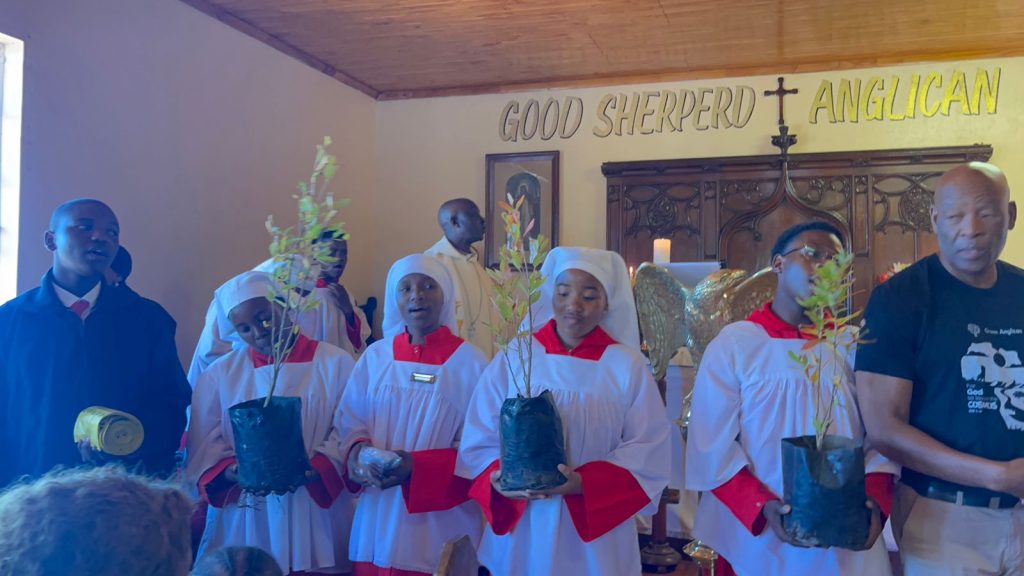
On Sunday, 3 May, the Eco-Champions:  Dr Shago (GFS South African President), Mogorosi (Diocesan Green Anglicans Coordinator), Odireleng (Climate YES member), and Hloni (Youth member), travelled to the Church of the Good Shepherd in the vibrant small town of Koffiefontein to conduct awareness-raising and educational advocacy on restoring God’s creation to its original state, as described in Genesis 1:1–31. The programme was presented to members of the St Francis Servers Guild in the Southwest Archdeaconry and focused on encouraging environmental responsibility within communities of faith. The Eco-Champions highlighted the important role Christians have in caring for creation and protecting the environment for future generations. The visit was centred on three key actions: tree planting, keeping the environment clean, and promoting the benefits of vegetable gardening. Participants were reminded that, as people of faith, they are called to be good stewards of God’s creation. Waste reduction and the conservation of natural resources were emphasised as essential practices for sustainable development and community well-being. As part of the outreach, the Eco-Champions donated trees to be planted at three local churches as a symbol of growth, restoration, and environmental care. To support ongoing clean-up initiatives, each church also received fifty refuse bags for litter collection within its community. In addition, various types of vegetable seeds were distributed to encourage food security and promote the value of fresh, home-grown produce. The initiative aimed to inspire families and churches to establish vegetable gardens that can contribute to healthier living and self-sustainability We advocate Environmental Restoration 202Fix. By: Mogorosi Molisapoli ( Green Anglicans Diocesan Coordinator)

St Francis Servers Guild Leads Environmental Awareness Read More »
GBFS Eco-Champs Gather at Edith Stephens Nature Reserve

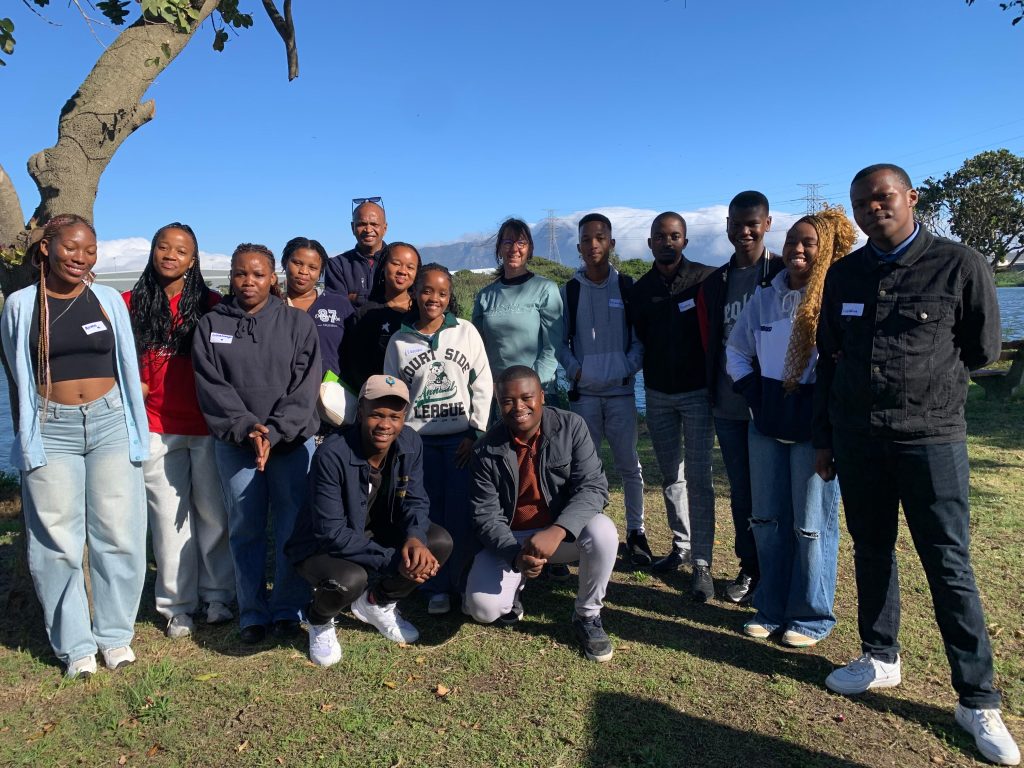
On Saturday, 25 April 2026, members of the Girls’ and Boys’ Friendly Society (GBFS) from the dioceses of Cape Town, False Bay, and Saldanha Bay gathered for the GBFS Eco-Champs Programme at Edith Stephens Nature Reserve in Philippi. The gathering brought together young people from across the dioceses for a day of environmental learning, reflection, and fellowship. For many participants, the programme was both educational and inspiring. As a newcomer to the Green Anglicans Programme, one participant (Immanuel Mlata) described the experience as wonderful and eye-opening. The sessions provided valuable insights into different plant and animal species and the many ecosystems found around the world. Through these lessons, participants gained a deeper understanding of the importance of nature and its vital role in sustaining life. The programme also highlighted the traditional uses of indigenous plants by previous generations. Participants learned how certain plants were highly valued and respected by their great-grandparents because they provided medicine, food, and other important benefits to communities. These discussions helped connect environmental care with cultural heritage and traditional wisdom. In addition, the Eco-Champs Programme encouraged responsible environmental stewardship. Young people were taught practical ways to care for and manage the environment, including keeping their surroundings clean, protecting natural resources, and promoting sustainable living within their communities. A strong message throughout the programme was the importance of respecting all living creatures. Participants were reminded that animals are also part of God’s creation and should therefore be treated with kindness and compassion. The programme encouraged young people not to harm, torture, or unnecessarily kill animals, but instead to value and protect them. A big thank you goes to The Claremont Rotary Club for making the day possible.    PREPARED BY: Eco-Champ IMMANUEL MLATA

GBFS Eco-Champs Gather at Edith Stephens Nature Reserve Read More »

Christ’s Resurrection Marked By Tree Planting

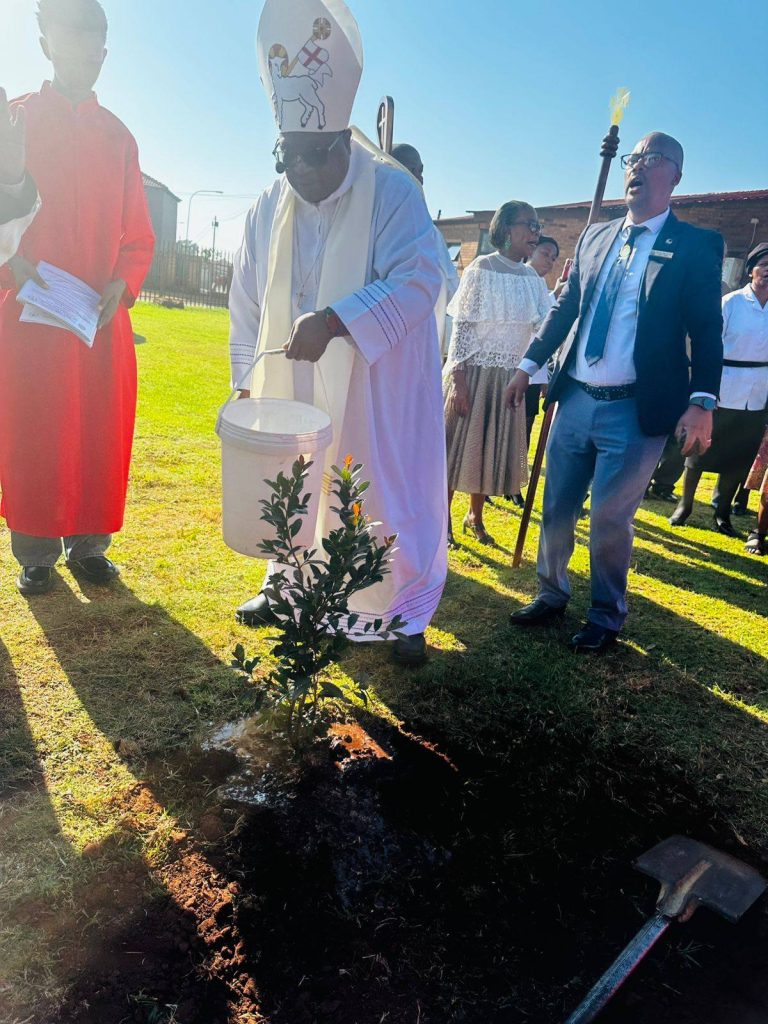
On Easter Sunday 2026, the newly enthroned Bishop of the Diocese of Johannesburg, the Rt. Revd Dr Sepadi Moruthane visited Manche Masemola Anglican Church, Protea Glen, and he marked the occasion by planting a Syzygium tree within the church grounds. From the olden days, a bishop planting a tree carries meaning. It is said to reflect growth and stewardship. This act shows care for creation and responsibility toward future generations. Planting a tree on Easter Sunday gives this greater meaning as Easter represents Jesus Christ’s victory over death, his resurrection and new life. The tree will then become a living reminder of that message. The Syzygium tree itself adds further significance. Many Syzygium species are evergreen, representing stability and longevity. They can produce fruit and offer shade. This reflects a church that offers support, and nourishment to its people. The tree may eventually develop into a common area where the people of the church and community gather to relax and interact. This simple act tells a bigger message. It is about planting seeds that will live beyond this moment. It is about building a church that grows not only in numbers but also in influence and presence within the community. Zimbili Gama from the Server’s Guild and Sunday School shared her thoughts on why the Bishop planted a tree at the church. “I think it’s because he was leaving a memory and an inspiration of the plantation when he said, ‘plant a tree for yourself because prices are going up and share it with your neighbour’. Well, for me, it was like he was leaving a big blessing, making a memory, and encouraging us to make a big difference in our communities and to share what we have. Like plants, food and prayer, well, that’s what I think about the tree”  Owethu Kebeni from the St Agnes Guild and Sunday School says if this tree could speak, it would tell us that “ngizokhula, be wise and prosper”.  Gomolemo Hlongwane from the Server’s Guild and Youth also shared what it meant to him witnessing the bishop planting a tree at our church as well as how he sees this tree reflecting the future of the church and community. “To me, witnessing such an event not only reminded me to go back and check whether I’m still rooted in God as the tree’s roots remain, but it also meant the beginning of a new chapter and the growth of the church not only in members but in a shaped purpose. The tree reflects promise, for it will remain there and grow to give us shade on sunny days, just like God will remain with us in the storms. Yes, it won’t grow overnight, and neither will the healing, and that’s what reminds us of God’s promise to never leave nor forsake us” By Revd. Theo    

Christ’s Resurrection Marked By Tree Planting Read More »

Earth Day 2026: Our Power, Our Planet — No Faith in False Solutions

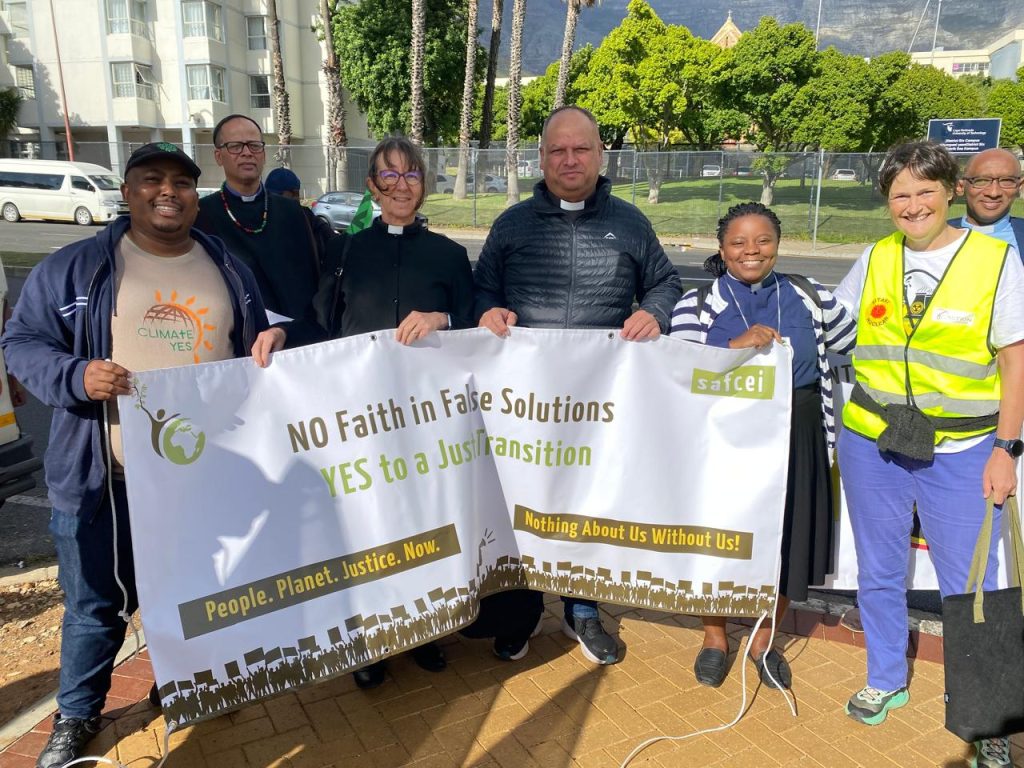
On Earth Day 2026, the theme “Our Power, Our Planet” came alive not just in words, but in movement. In Cape Town, over 500 people took to the streets, marching to Parliament under a shared banner: #NoFaithInFalseSolutions. What unfolded was more than a protest—it was a visible, collective call for a different future. Civil society came together in remarkable unity. Faith-based organisations stood alongside environmental justice movements, community groups, and youth activists. Their message was clear: the time for half-measures and harmful detours is over. South Africa needs urgent, people-centred climate action and a truly just transition—one that protects both people and the planet. At the heart of the march was a rejection of what activists describe as “false solutions.” These include new oil and gas developments, so-called “clean coal,” and carbon capture schemes. While often presented as pathways forward, these approaches risk deepening inequality, entrenching environmental harm, and delaying the rapid transition that the climate crisis demands. The urgency of the crisis is not abstract. It is lived daily. As Lisa Makuala of The Green Connection reminded the crowd, “37% of South Africans live below the poverty line. It remains unfair for vulnerable communities to have to choose between buying bread and affording electricity.” Climate justice, therefore, cannot be separated from economic justice. The call is for a Just Transition—one that prioritises affordable, decentralised renewable energy and safeguards the dignity and rights of those most affected by rising costs and deepening food insecurity. The march was convened by a broad coalition, including SAFCEI, Fossil Free South Africa, Africa Climate Alliance, The Green Connection, Natural Justice, the South Durban Community Environmental Alliance, Project 90 by 2030, and Extinction Rebellion Cape Town. They were joined by partners such as Green Anglicans, Greenpeace Africa, Beauty Without Cruelty, and many others. Together, they embodied a growing national movement—diverse, determined, and rooted in both justice and hope. At Parliament, organisers handed over a joint memorandum to a Member of Parliament, calling for accountable leadership, inclusive climate policies, and real solutions. The memorandum emphasised that many of the so-called solutions currently being advanced by government and industry fail to consider their true social and economic impacts—and may not even meaningfully reduce emissions. Among the voices raised was Rev Rachel Mash of Green Anglicans, who grounded the climate crisis in everyday realities: “Paraffin prices have risen and many families battle to cook hot food in this cold weather. Taxi fares have gone up—and many are struggling to make ends meet at the end of the month. All because of a war in the Middle East. If your fuel comes on a ship, then you are not a sovereign nation. God has given us sun and wind—let us use them and speed up the transition away from fossil fuels so that we can fight energy poverty in our communities. Let us roll out training in renewables in every TVET college across the country.” Her words point to a deeper truth: energy is not only an environmental issue, but a matter of justice, sovereignty, and human dignity. Renewable energy offers not just a cleaner future, but a fairer one—if implemented with intention and inclusion. This Earth Day, the streets of Cape Town told a story of courage and conviction. A story of people refusing to accept false promises, and instead demanding real, transformative change. The message echoed beyond the march itself: Our power. Our planet. No more false solutions. For more on the memorandum handed to Parliament, see: https://tinyurl.com/3weeh6m9

Earth Day 2026: Our Power, Our Planet — No Faith in False Solutions Read More »

Anglican Women Gather for Sustainable Development Information Sharing

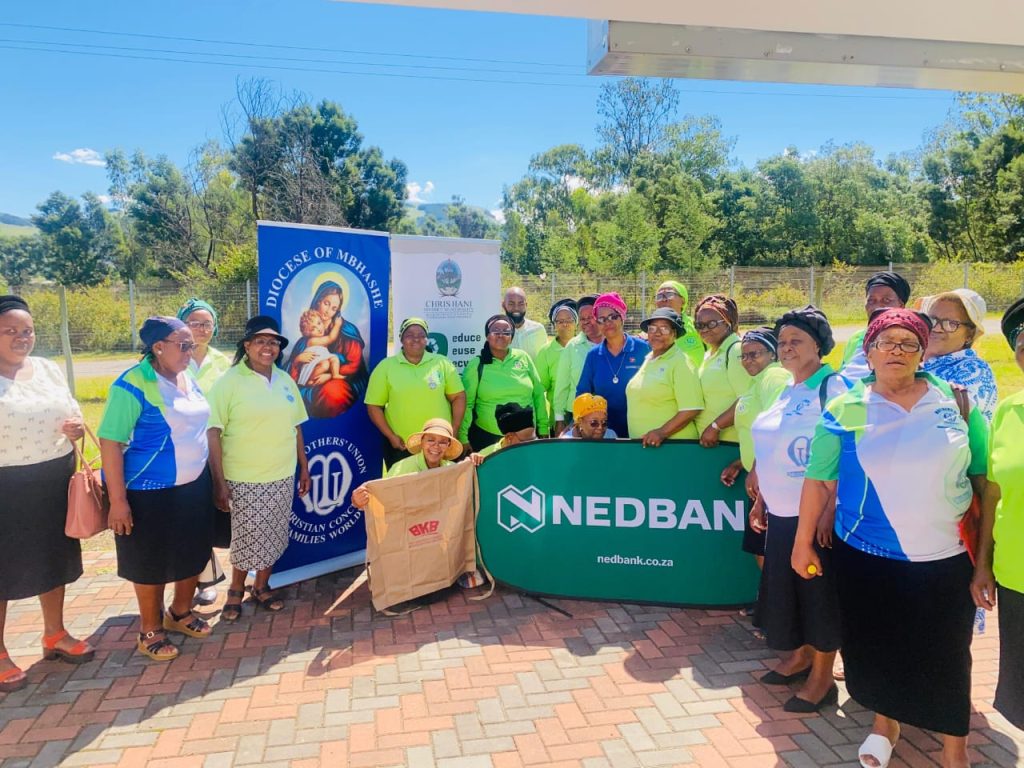
On 19 March, the Diocese of Mbashe hosted an important information-sharing session under the theme “Anglican Women on Sustainable Development,” bringing together women and key stakeholders to explore opportunities for empowerment, environmental stewardship, and sustainable livelihoods. The session was attended by representatives from the Department of Agriculture, Land Reform and Rural Development, Department of Forestry, Fisheries and the Environment, Nedbank, BKB, Chris Hani District Municipality and Dr A.B. Xuma Local Municipality. The gathering created a valuable platform for members of the Mothers Union to receive practical information, build partnerships, and engage with programmes that support sustainable development. The Department of Agriculture shared opportunities available through Ilima/Letsema and other support programmes, including livestock improvement, branding certificates, and infrastructure development. Mothers were encouraged to apply for assistance and benefit from government support initiatives. The department also raised awareness of the Foot-and-mouth disease outbreak and shared guidance on protecting livestock health. Representatives from Nedbank introduced work in the green economy, focusing on food gardening initiatives for women and schools, and highlighted how sustainable agriculture can strengthen household food security and community resilience. BKB presented on responsible livestock care, especially relating to sheep farming, wool quality, meat production, mating seasons, and lamb care. Participants also heard about ongoing plans for wool sorting training, which may create additional skills and economic opportunities. The Department of Forestry, Fisheries and the Environment focused on forest development and fire protection, emphasising the importance of preventing veld fires between April and September, establishing fire breaks, improving fire safety awareness, and accessing funding support through Fire Protection Associations. These sessions demonstrated how faith communities can play a meaningful role in promoting sustainable development by connecting women with knowledge, resources, and partnerships that strengthen both livelihoods and care for creation. Through initiatives such as these, the Mothers Union continue to show leadership in building resilient communities and advancing environmental stewardship.

Anglican Women Gather for Sustainable Development Information Sharing Read More »

“Serve the Earth, Serve the Lord” – Cleaning Campaign Phase 2

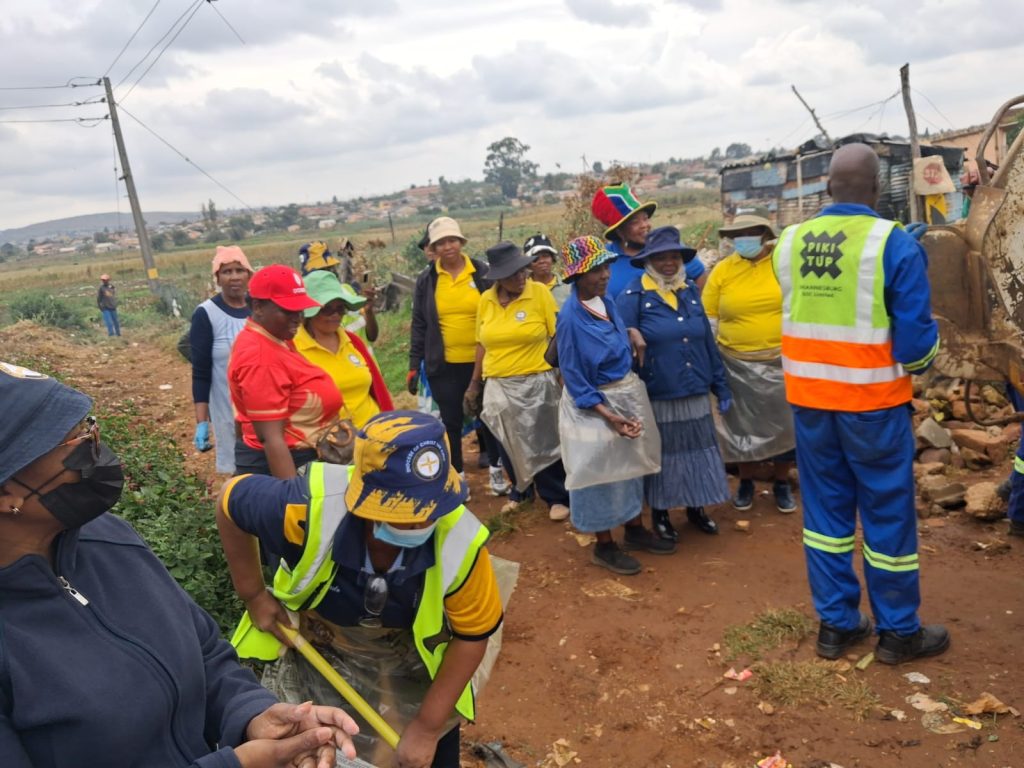
On Wednesday, 15 April, members of the Anglican Women’s Fellowship and the Mothers’ Union from the Diocese of Christ the King carried out the second phase of their “Serve the Earth, Serve the Lord” cleanup campaign in Finetown, Johannesburg. Working alongside local community members, the team focused on clearing an illegal dumping site situated near residential homes, helping to restore dignity to the area and reduce environmental and health risks. Their collective efforts led to the removal of significant waste, with PikitUP later collecting a total of 80 rubbish bags from the site. The campaign reflected a shared commitment to caring for creation through practical action, demonstrating how faith communities can respond to environmental challenges while serving their communities. It was also a witness to the power of partnership between the church and residents in building cleaner, healthier neighbourhoods. The event concluded with prayer and worship, grounding the day’s work in faith and thanksgiving, followed by a vote of thanks delivered by President Veronica and Revd Agnes Makume, who affirmed the importance of continuing this ministry of environmental stewardship.

“Serve the Earth, Serve the Lord” – Cleaning Campaign Phase 2 Read More »