SINGLE USE vs REUSABLE
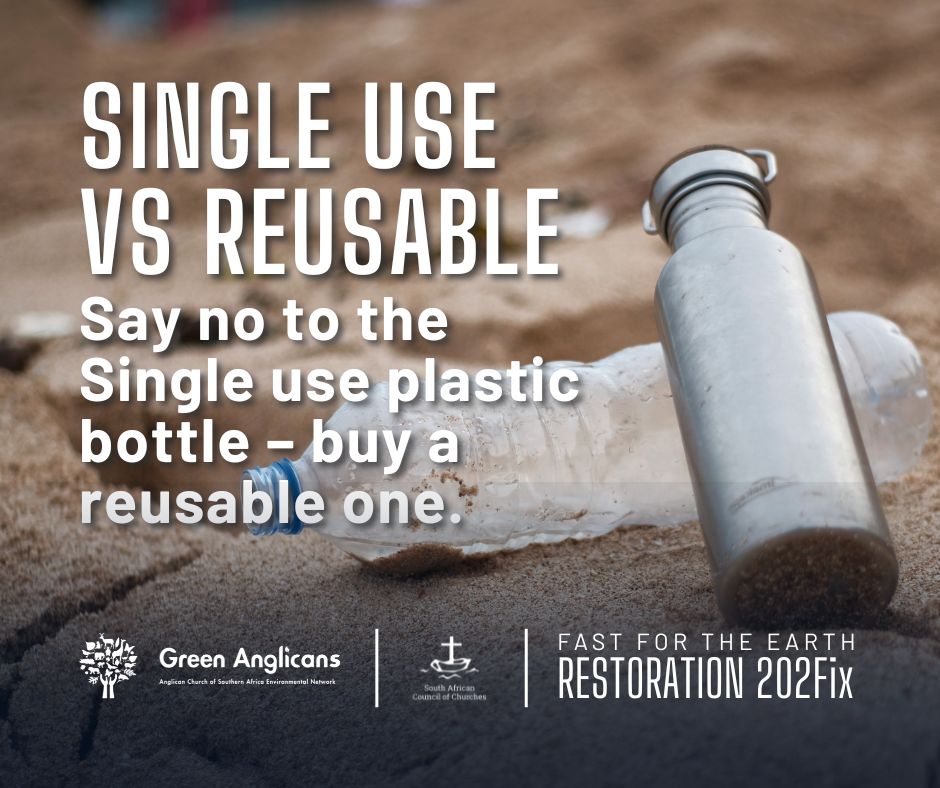
“We know that the whole creation has been groaning in labor pains until now.” – Romans 8:22 Lent is traditionally a season of reflection, repentance, and simple living. Christians often give up small comforts to draw closer to God and to remember our responsibility toward others. In our time, one meaningful Lenten practice could be giving up single-use plastic bottles—not only for forty days, but as a permanent commitment to care for creation. Recent research highlights how serious the problem of plastic bottles has become. One article explains that hundreds of billions of plastic bottles are used globally each year, yet only a small portion are recycled. Many end up in landfills, rivers, and oceans where they may take hundreds or even thousands of years to break down. As they degrade, they release microplastics, tiny particles that contaminate soil, water, and even the food we eat. Another report notes that the problem is particularly severe in low-income countries. Waste management systems are often under-resourced, meaning plastic bottles are frequently burned, dumped in open spaces, or washed into waterways. This pollution harms ecosystems, contaminates drinking water, and can affect human health through toxins released from plastic waste. A third study also highlights the health and environmental impacts of growing plastic waste. Plastic pollution contributes to air pollution when burned, and chemicals from plastics can seep into water sources. Communities that already face poverty and limited services often bear the greatest burden of this pollution. For Christians, these realities challenge us spiritually. Scripture teaches that the Earth is God’s creation and that humans are called to tend and care for it (Genesis 2:15). When our daily habits create waste that harms people and ecosystems, we must ask how we can live more faithfully. Giving up plastic bottles during Lent can therefore become a spiritual discipline. It reminds us to consume less, to think about the impact of our choices, and to stand in solidarity with communities affected by pollution. Fortunately, alternatives are simple and accessible. Many people now use reusable stainless-steel or glass water bottles that can be refilled throughout the day. Carrying a refillable bottle reduces waste dramatically. In places where tap water is unsafe, water filters, refill stations, or large reusable water containers can reduce dependence on single-use plastics. Even small habits—refilling a bottle before leaving home or supporting businesses that provide water refill points—can make a difference. Lent invites us to begin practices that lead to lasting transformation. Giving up single-use plastic bottles is not just a temporary sacrifice but a step toward a more just and sustainable way of living. By choosing reuse over waste, we honour God’s creation and protect the wellbeing of communities and ecosystems for generations to come. 🌍💧
SINGLE USE vs REUSABLE Read More »