lent

PASTA CON AMORE!

This short proverb carries a powerful truth. God reminds us that love matters more than abundance. A simple meal shared with kindness, gratitude, and peace is far better than a rich feast eaten in anger or excess. In a world where food choices often have consequences for our health, our communities, and the planet, this wisdom feels especially relevant. A humble bowl of pasta with vegetables can be an expression of simplicity, hospitality, and care for creation. Choosing plant-based meals even occasionally reduces our environmental footprint, uses fewer natural resources, and encourages us to value the gifts of the earth. But this verse is about more than food—it is about the spirit in which we eat. Meals are meant to be moments of connection. When we gather around a table with gratitude and love, even the simplest ingredients become a blessing. Pasta is a perfect example of this principle. It is affordable, nourishing, and easy to prepare. A simple pasta dish can feed a family, welcome a friend, or provide comfort after a long day. What matters most is not luxury, but the love shared around the table. Here are three very simple pasta ideas that celebrate vegetables and simplicity: Garlic and Tomato Pasta Cook spaghetti and toss with olive oil, crushed garlic, chopped tomatoes, and a handful of fresh basil. Season with salt and pepper. Lemon Spinach Pasta Mix cooked pasta with sautéed spinach, oil, lemon zest, and a squeeze of lemon juice. Add a little grated cheese if desired. Roasted Vegetable Pasta Roast chopped zucchini, peppers, and onions in the oven with a little oil. Toss them with pasta and a spoon of pesto (if available) Today, let your meal be simple. Cook a bowl of pasta, add vegetables, and most importantly, share it with love.
PASTA CON AMORE! Read More »

Third Sunday in Lent 2026

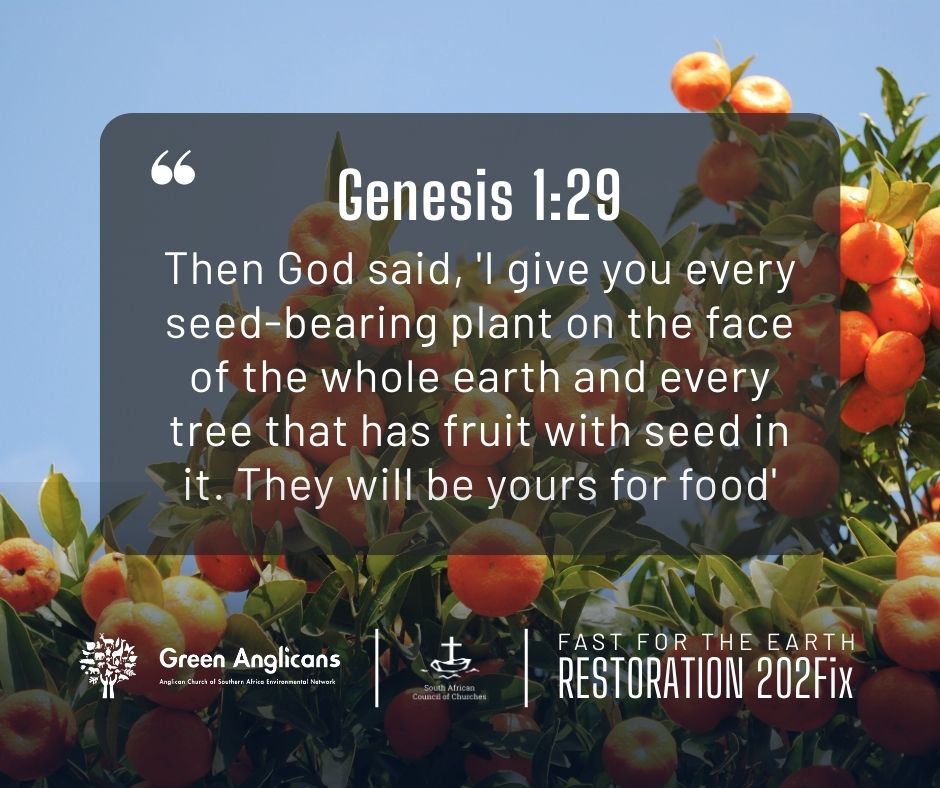
Then God said, ‘I give you every seed-bearing plant on the face of the whole earth and every tree that has fruit with seed in it. They will be yours for food.’ – Genesis 1:29 Genesis 1:29 reminds us of God’s original vision for nourishment and life: From the very beginning of the biblical story, plants are offered as a gift for human flourishing. Today, returning even partially to a more plant-based diet can be a meaningful way to care for our bodies and for God’s creation. A diet rich in vegetables, fruits, legumes, grains, and nuts brings many health benefits. Research shows that plant-based diets are linked to lower rates of heart disease, high blood pressure, and type 2 diabetes. Plants are rich in fibre, vitamins, and antioxidants that help strengthen the immune system and support long-term wellbeing. Even simple changes—such as eating more beans, lentils, vegetables, and whole grains during the week—can make a significant difference. Choosing more plant-based meals also helps care for the planet. Producing plant foods generally requires far less land, water, and energy than producing meat. It also generates fewer greenhouse gas emissions. By shifting our plates toward plants, we reduce pressure on forests, soil, and water resources, helping protect the ecosystems that sustain all life. Another powerful step is to grow some of your own food, even if it is only a few herbs, tomatoes, or spinach in a small garden or container. Gardening has surprising mental health benefits. Spending time with soil and plants can reduce stress, improve mood, and create a sense of peace and connection with nature. Watching something grow from seed to harvest also nurtures patience, gratitude, and a deeper awareness of God’s provision. Moving toward a plant-rich diet does not have to be perfect or immediate. Small steps—like a few meat-free meals each week or planting a small vegetable patch—can become acts of faith and care for creation. Reflection: What small step could you take this week to enjoy more of God’s gift of seed-bearing plants? 🌱🥕

Third Sunday in Lent 2026 Read More »

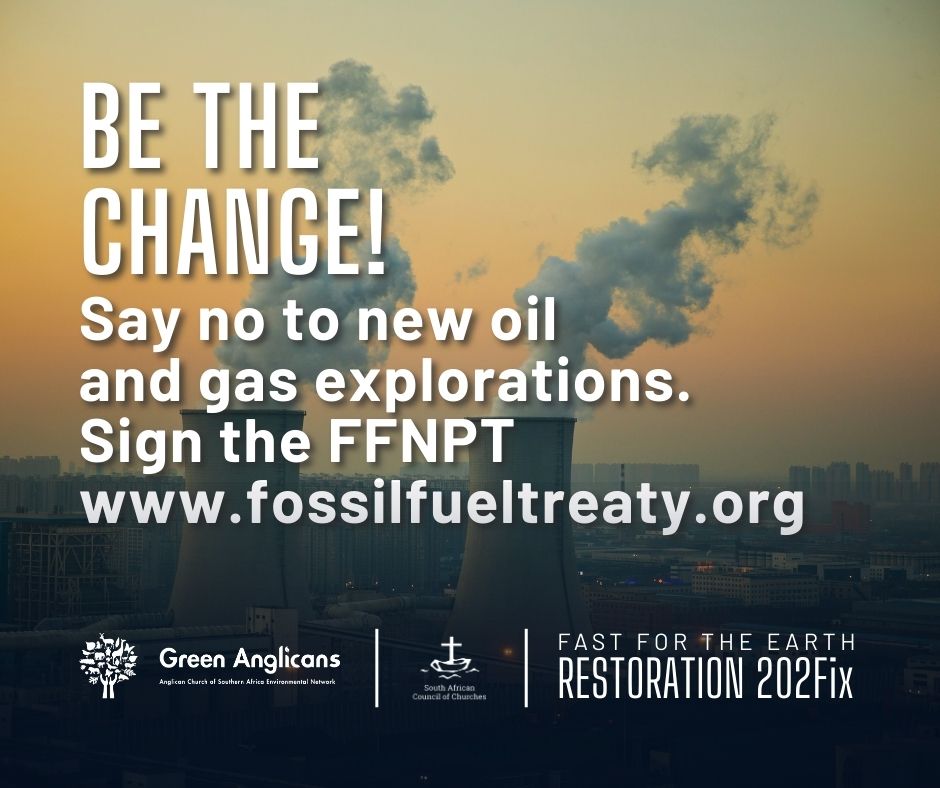
Be the Change!

The Lord God took the humans and put them in the garden of Eden to till it and keep it.” – Genesis 2:15 From the beginning, humanity’s vocation has been one of care — to cultivate and to protect. Today, that calling feels more urgent than ever as the climate crisis deepens through continued extraction and burning of fossil fuels. The Fossil Fuel Non-Proliferation Treaty is a bold global proposal seeking to address this crisis at its source. Modelled on the nuclear non-proliferation framework, the treaty has three central pillars: Non-Proliferation – An immediate end to new fossil fuel expansion. Science is clear: we cannot open new coal mines, oil wells, or gas fields if we are to limit global temperature rise and avoid catastrophic climate impacts. Fair Phase-Out – A managed and equitable wind-down of existing fossil fuel production. Wealthy nations, which have historically contributed most to greenhouse gas emissions, are called to lead in reducing production while supporting lower-income countries. Fast and Just Transition – A rapid shift to renewable energy systems, ensuring workers, communities, and vulnerable nations are supported through investment, job creation, and climate finance. For faith communities, this is a moral issue rooted in justice, stewardship, and love of neighbour. Climate change disproportionately affects those who have contributed least to the problem — the poor, future generations, and fragile ecosystems. Supporting the treaty is a way to live out our sacred responsibility to “keep” the garden entrusted to us. Faith leaders and communities worldwide have signed a multi-faith letter urging governments to adopt this treaty. You can learn more and add your voice here: 👉 https://fossilfueltreaty.org/faith-letter Now is the time for faith to be visible, courageous, and hopeful — safeguarding creation for generations to come.

Be the Change! Read More »

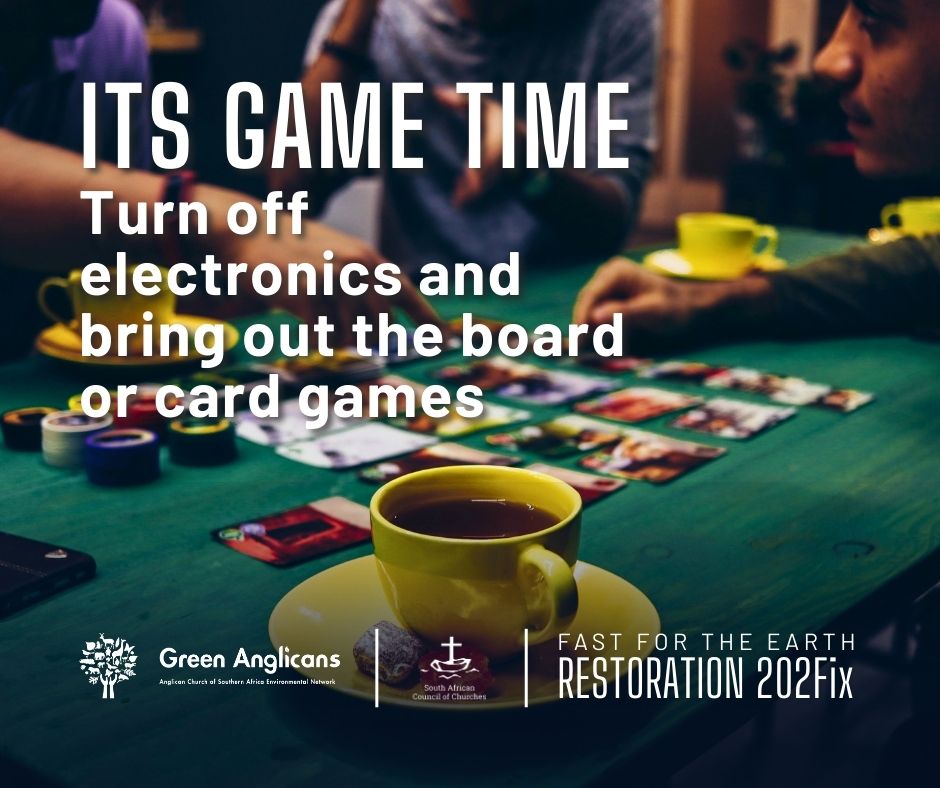
Its Game Time

“Let us consider how we may spur one another on toward love and good deeds, not giving up meeting together…” – Hebrews 10: 24–25 Lent invites us to pause, reflect, and reset. In a world constantly buzzing with notifications, one meaningful way to observe a Carbon Fast this season is by turning off our electronic gadgets. It’s game time — not on a screen, but in real life. Our devices consume electricity, require energy-intensive production, and contribute to growing e-waste. Choosing to power down, even for a few hours each day, reduces energy use and lowers our carbon footprint. While one switch-off may seem small, collective action creates meaningful change. But the benefits go far beyond the environment. Constant screen time has been linked to disrupted sleep, increased stress, eye strain, and reduced physical activity. Taking intentional breaks improves mental clarity, boosts mood, and supports healthier sleep patterns. When we unplug, we give our minds and bodies space to rest and recharge. Most importantly, switching off creates room to switch on — to people. Screens often replace face-to-face conversations, family meals, shared laughter, and community gatherings. When devices are silenced, real voices are heard. Relationships deepen. Eye contact returns. We begin to notice one another again. Imagine a Lent where evenings are spent playing board games, walking with friends, sharing stories at the dinner table, or visiting someone who needs company. These simple acts strengthen social bonds and remind us that we are created for connection, not isolation. A Carbon Fast isn’t only about reducing emissions; it’s about renewing relationships — with God, with creation, and with one another. This Lent, let’s make it game time. Turn off the screens, step into community, and rediscover the joy of being fully present.

Its Game Time Read More »

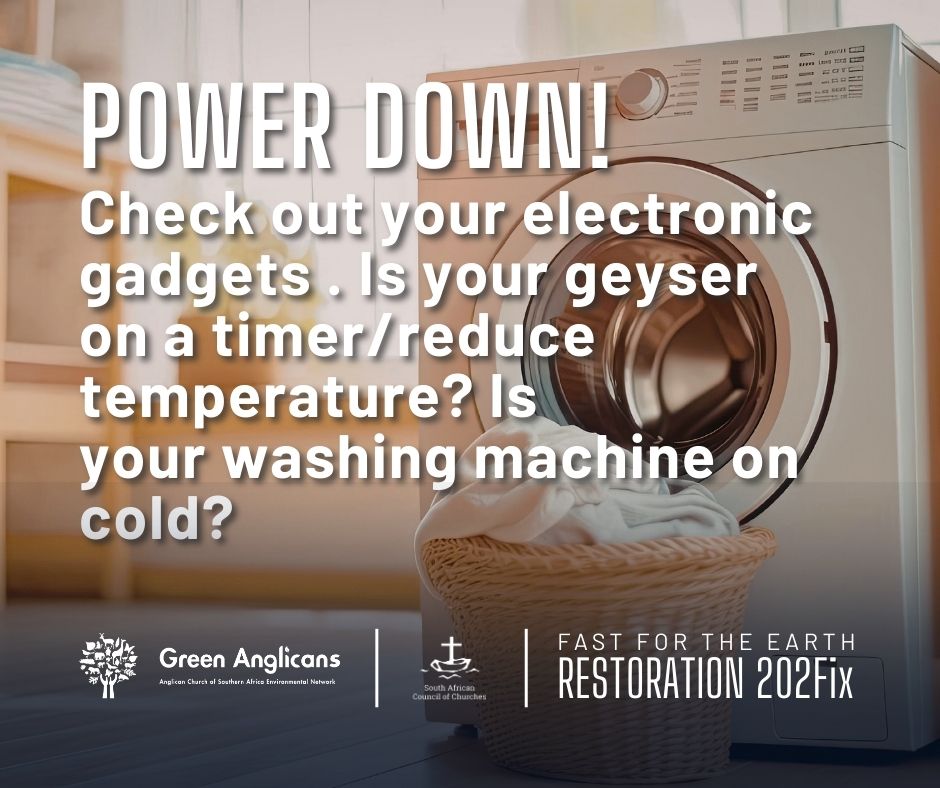
Power Down!

“You shall not waste the land where you are living.” – Numbers 35:33 Lent invites us to examine the habits we take for granted. A Carbon Fast calls us to notice the hidden energy use woven into everyday life — especially in our homes and cars. Three ordinary technologies — hot water cylinders (geysers), washing machines, and vehicle air conditioning — quietly contribute to our carbon footprint. In many South African homes, the electric geyser is one of the biggest energy consumers. Heating water accounts for a large portion of household electricity use. When geysers run constantly or lack proper insulation, they draw significant power, much of it generated from fossil fuels. A Carbon Fast could mean lowering the thermostat slightly, installing a timer, insulating the cylinder and pipes, or simply being mindful of shower length. Washing machines also have an environmental cost. The greatest energy impact often comes from heating water. Hot cycles use far more electricity than cold washes. Choosing cold water settings, washing full loads, and line-drying clothes instead of using a tumble dryer can dramatically cut emissions and save money. Even our cars contribute beyond fuel alone. Using air conditioning increases fuel consumption, which in turn increases carbon dioxide emissions. On mild days, opening windows at lower speeds or parking in the shade can reduce the need for air con. Regular vehicle maintenance also improves efficiency. A Carbon Fast is not about guilt; it is about intention. Small changes, practised consistently, reduce strain on the grid, lower emissions, and express love for neighbour — especially those most vulnerable to climate change. This Lent, let us “power down” as an act of faith. By adjusting our thermostats, washing wisely, and driving thoughtfully, we honour God’s creation and participate in its healing. Small switches can become sacred acts of stewardship.

Power Down! Read More »

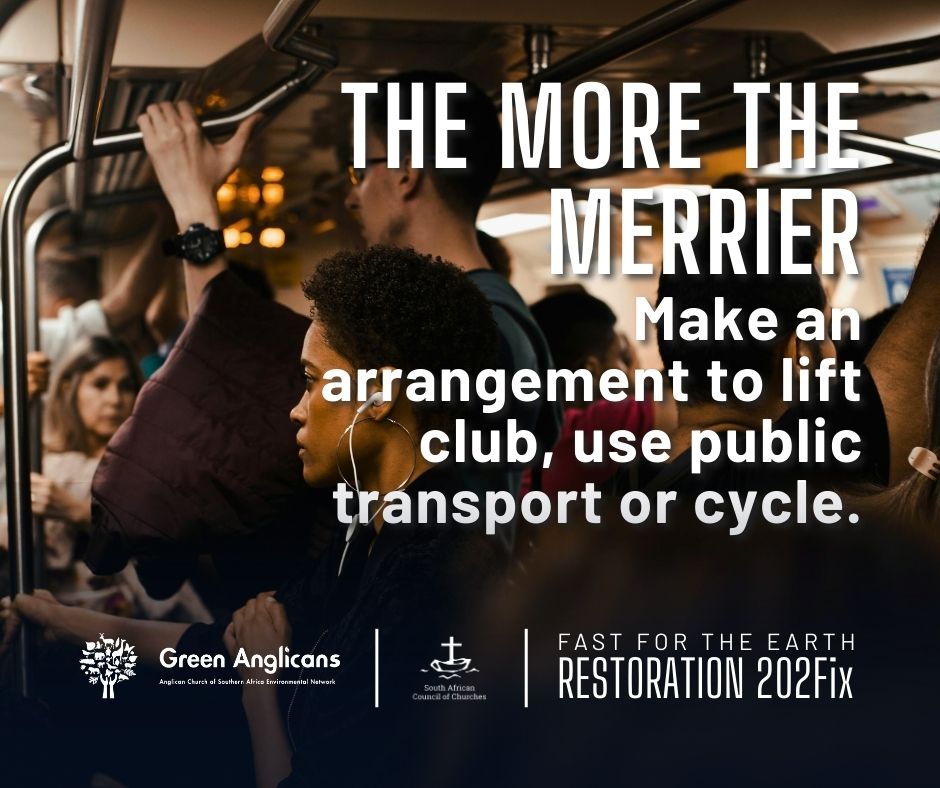
The More the Merrier

“Two are better than one… If either of them falls down, one can help the other up.” – Ecclesiastes 4:9–10 Lent is a season of reflection, sacrifice, and renewal. Traditionally, we give something up to grow spiritually. But what if this year, we also gave something up for the good of our planet? A “carbon fast” invites us to reduce the emissions we create through daily choices — and one powerful way to do this is by rethinking how we travel. After all, when it comes to lowering our carbon footprint, the more the merrier. Choosing lift clubs (carpooling) is a simple yet impactful step. When several people share one car instead of driving separately, fuel use drops, traffic congestion eases, and greenhouse gas emissions are significantly reduced. Fewer cars on the road mean cleaner air and less strain on natural resources. Carpooling also builds community — a reminder that we were never meant to journey alone. Public transport takes this shared approach even further. Buses and trains move large numbers of people efficiently, producing far fewer emissions per passenger compared to individual vehicles. By opting for public transport, we actively reduce pollution and energy consumption while supporting more sustainable cities. Cycling offers another meaningful alternative. It produces virtually no emissions, reduces noise pollution, and promotes healthier lifestyles. Each trip taken by bike instead of by car contributes to cleaner air and quieter streets. It is a small sacrifice with lasting benefits. A carbon fast during Lent is not about perfection; it’s about intention. By sharing rides, boarding a bus, or cycling when possible, we practice stewardship and solidarity. This Lent, let’s remember: caring for creation is a shared calling. And when it comes to protecting our common home, the more the merrier truly makes a difference.

The More the Merrier Read More »