#creationcare

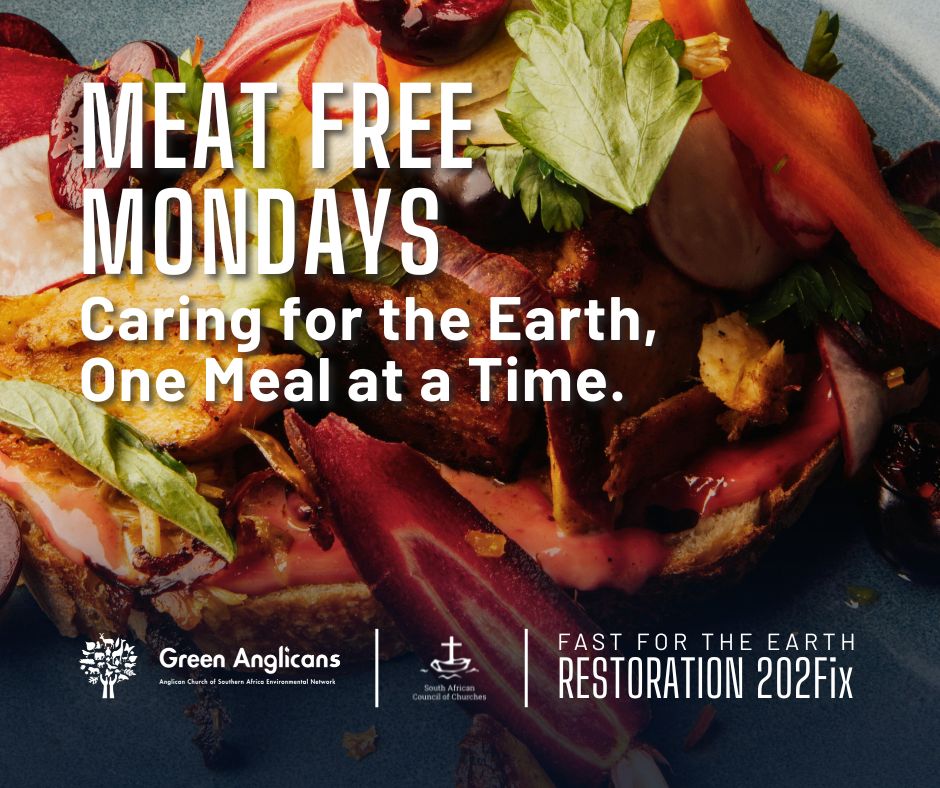
Beans of Blessing: Meat-Free Monday

“Please test your servants for ten days: Give us nothing but vegetables to eat and water to drink.” — Daniel 1:12 Daniel’s choice to eat simply — beans, lentils, and vegetables — was more than a diet. It was an act of faith, a declaration that strength and wisdom come from God, not from indulgence. At the end of those ten days, Daniel and his friends were healthier and stronger than those who ate the king’s rich food. That story reminds us that beans are more than humble food; they are symbols of resilience, nourishment, and stewardship. On Meat‑Free Monday Beans Day, we follow Daniel’s example by choosing meals that honor creation, care for our health, and lighten our footprint on the earth. Beans and legumes are packed with protein, fiber, and nutrients. They’re affordable, versatile, and sustainable. Choosing beans over meat even once a week reduces greenhouse gas emissions, saves water, and supports a lifestyle of mindful consumption. But beyond the science, it’s about community: cooking a pot of lentil stew to share, swapping recipes, or gathering for a bean‑based meal that celebrates simplicity and abundance. So, let’s make Mondays a day of blessing — not just for ourselves, but for the planet and for future generations. Every bean dish becomes a small act of advocacy, a reminder that faith and food can work together to bring healing. Here is a filling supper recipe Tuscan White Bean Skillet Method: Sauté mushrooms, onions, and garlic, then add tins of beans (kidney, black beans – not baked beans) , tin of tomatoes, and herbs. Simmer for 10 minutes and finish with parsley. Serve with crusty bread. And here is a great snack Chickpea & Black Bean Snack Mix Cooking time: ~55 minutes Highlights: Crunchy roasted chickpeas and black beans seasoned with coriander, paprika, cumin, and salt. Method: Toss beans with spices, roast until crisp, then combine for a protein-packed snack. Why it works: It’s healthy, addictive, and ideal for guilt-free munching between meals. Here are some recipes to try!  It’s Not Complicated Recipes – The Best Bean and Legume Recipes https://itsnotcomplicatedrecipes.com/the-best-bean-and-legume-recipes Insanely Good – 20 Best Legume Recipes to Put on Repeat https://insanelygoodrecipes.com/legume-recipes  Taste of Home – Recipes with Beans & Legumes  https://www.tasteofhome.com/collection/recipes-with-beans-legumes Please share your favourite beans or legume (lentils etc) recipe!

Beans of Blessing: Meat-Free Monday Read More »
NEW YEARS WARDROBE

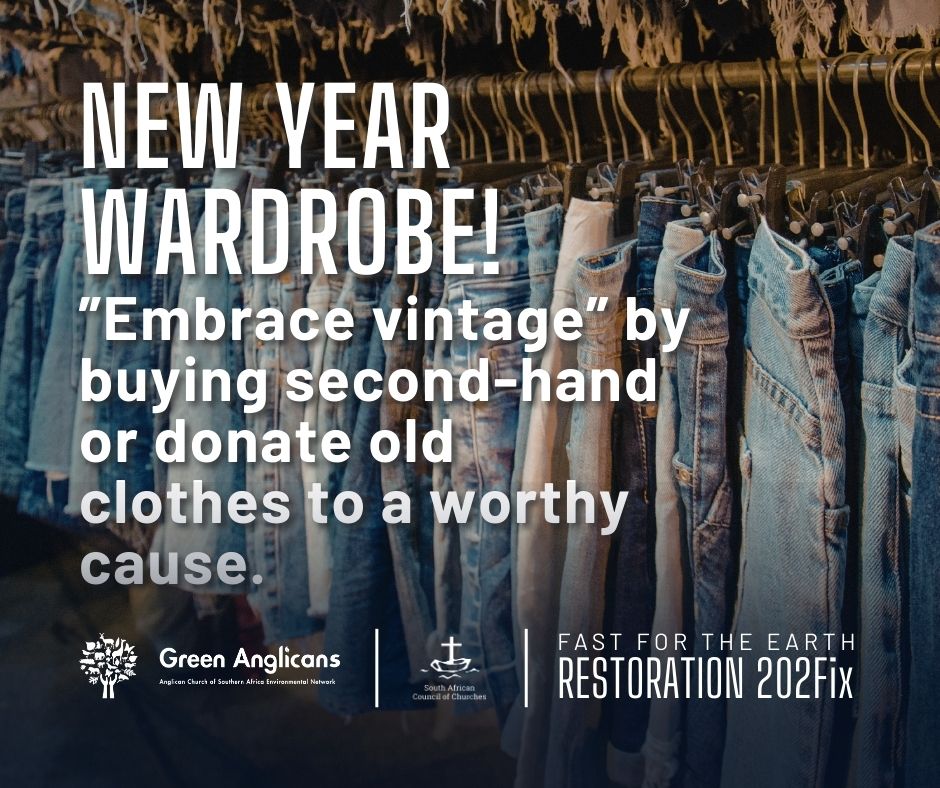
“Is not life more than food, and the body more than clothes?” Matthew 6:2 Clothes are meant to cover us, protect us, and even express who we are. But in today’s fast fashion world, cheap clothing has become a symbol of exploitation and waste. Behind every bargain rack lies a hidden cost — paid by workers in unsafe factories and by the environment that absorbs the waste. If life is more than clothes, then surely our choices about clothing must reflect care for both people and planet. The Human Cost Cheap clothing often comes from factories where workers earn poverty wages and endure unsafe conditions. Reports show garment workers laboring long hours with little protection, sometimes even facing harassment or child labor. The low price tag we see in stores is subsidized by human suffering. When we buy fast fashion without thinking, we indirectly support systems that exploit vulnerable communities. Choosing vintage, donating, or swapping clothes helps break this cycle by reducing demand for exploitative production. The Environmental Toll Fast fashion is one of the most polluting industries in the world. Producing cheap clothes consumes massive amounts of water, energy, and chemicals. Synthetic fabrics shed microplastics into oceans, while discarded garments pile up in landfills. The environmental footprint of a single T-shirt or pair of jeans is staggering. By buying secondhand or swapping clothes, we extend the life of garments and reduce the need for new production. Every reused item is one less burden on the earth. Communities are rising against fast fashion. Clothing swaps, vintage markets, and donation drives are becoming powerful alternatives. They not only reduce waste but also build community. Imagine a Sunday afternoon where friends gather, exchange clothes, and walk away with “new” outfits without spending a cent or harming the planet. That’s advocacy in action. What We Can Do Here are practical steps: Buy vintage: Support thrift stores and vintage shops. Each purchase keeps clothes in circulation and out of landfills. Donate: Give away clothes you no longer wear to schools, churches, or charities. Your old jeans could be someone else’s treasure. Swap: Organize clothing swap days with friends, youth groups, or communities. It’s fun, sustainable, and builds solidarity. Educate: Share the truth about fast fashion’s impact. Awareness sparks change. Life is more than clothes, but clothes can reflect our values. If we choose vintage, donate generously, and swap creatively, we show that fashion doesn’t have to exploit workers or destroy the environment. Advocacy begins with persistence, but it ends with transformation. The challenge is simple: will you keep buying cheap clothes, or will you advocate for change by reimagining how we dress.

NEW YEARS WARDROBE Read More »