
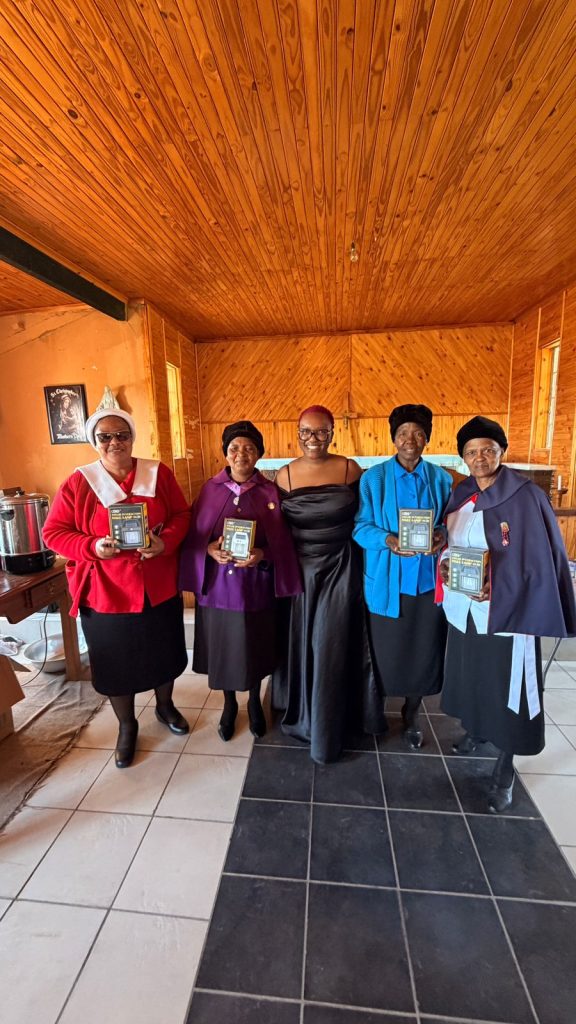
On 28 May 2026, the community of Koppies in the Free State witnessed a powerful example of what Youth-led climate action can look like when it is rooted in compassion, dignity, and community care. Through the African Climate Alliance Youth Network Energy Project, Safe Light for HER was implemented as a community-centred initiative focused on renewable energy access, women’s empowerment, education, and intergenerational connection.
Led by youth climate advocate and Diocese of Free State Green Anglicans members Ikaelelo Kgomotso Madikgetla, the project aimed to address the realities faced by many women and vulnerable households who continue to experience energy insecurity, unsafe lighting conditions, and the daily effects of electricity outages.
Under the theme “Lighting Homes, Empowering Women, Building Resilient Communities,” the initiative unfolded in three impactful parts: a women’s empowerment gathering, Grade 12 learner outreach and motivation, and visits to elderly grandmothers within the community.
The main community event took place at St Christopher’s Anglican Church, where women gathered to discuss renewable energy, women’s safety, climate resilience, and the importance of sustainable living. In many households in Koppies, women often carry the burden of managing homes during load shedding and power outages. For many families, access to safe and reliable lighting remains a challenge that affects safety, comfort, education, and dignity.
Through the distribution of solar lighting units, the project sought to provide not only practical support but also hope and reassurance. Women engaged in open conversations about the challenges they face and how renewable energy solutions can improve daily life. The atmosphere throughout the event was deeply emotional and uplifting, as many participants shared stories of resilience despite difficult circumstances.
What made the event especially meaningful was that it became more than an energy project. It became a space where women felt heard, valued, and supported. Community members spoke openly about how important it was to see young people taking initiative to address local challenges in a way that directly impacts ordinary families.
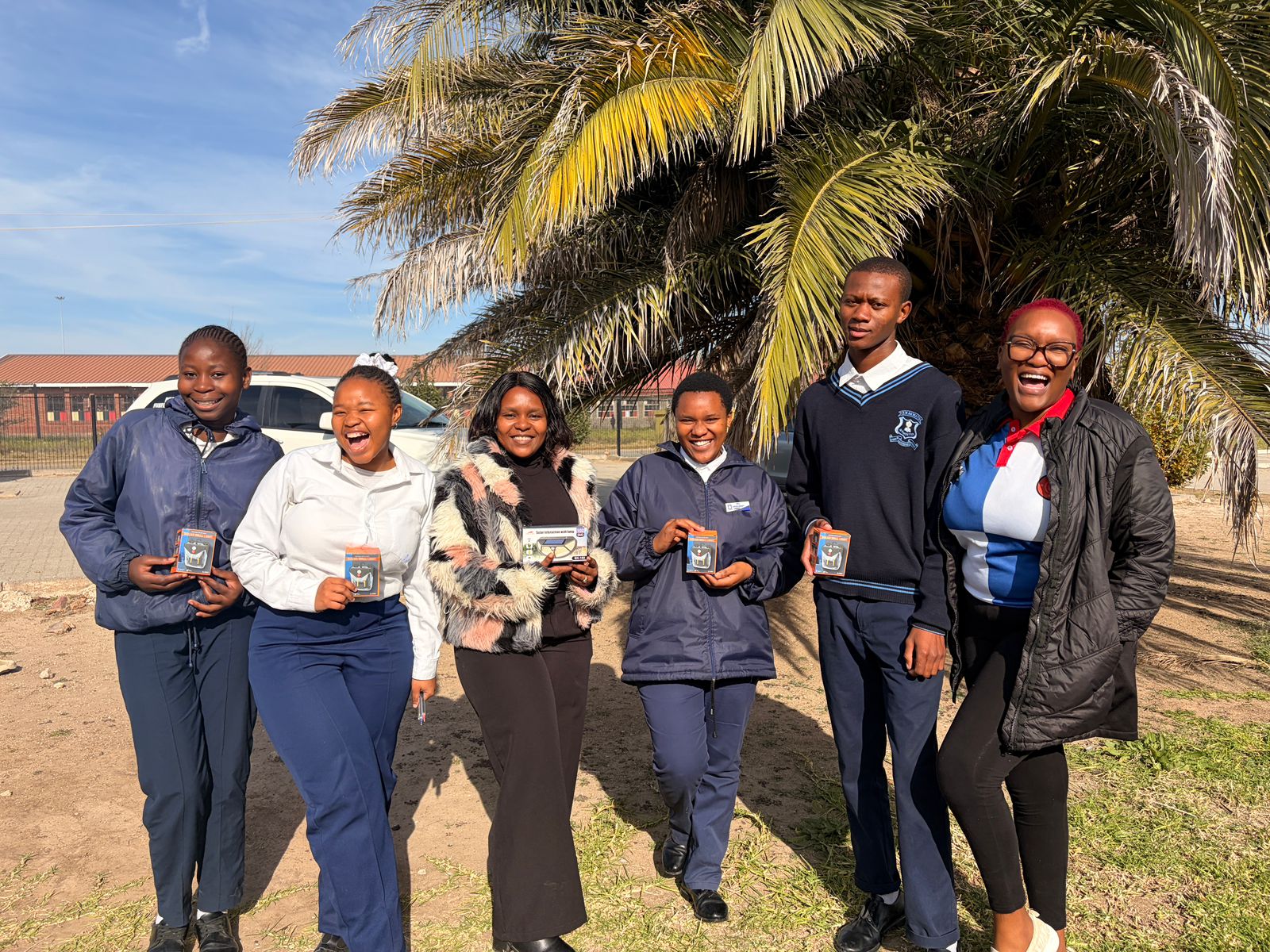
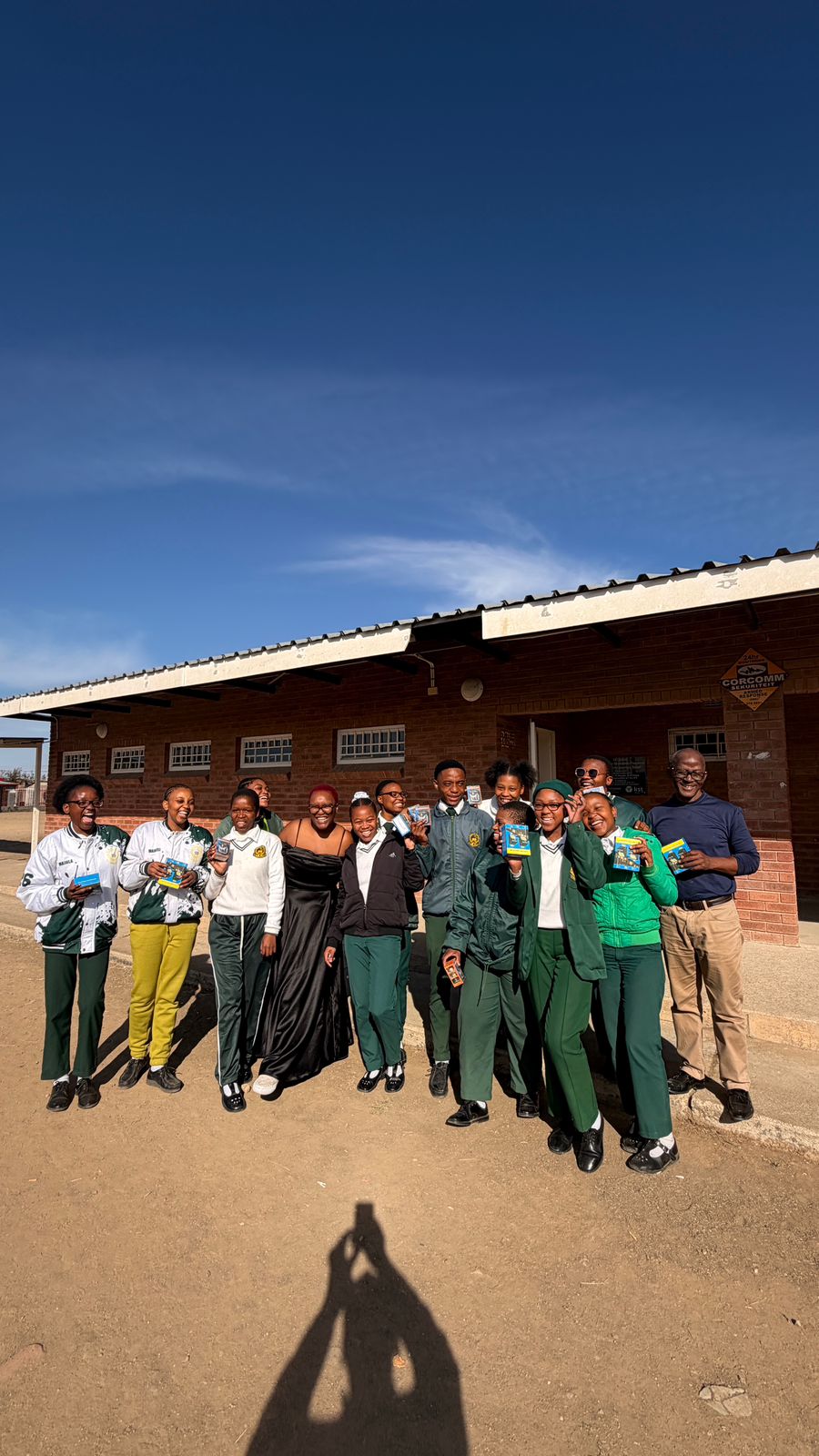
The second part of the project focused on Grade 12 learners, particularly learners studying Mathematics and Science. The outreach aimed to motivate and encourage young people as they navigate one of the most important academic years of their lives.
Learners received words of encouragement about perseverance, education, leadership, and the role young people can play in shaping a sustainable future. Discussions also connected renewable energy and climate action to subjects such as Mathematics, Science, and innovation, helping learners understand that climate solutions are not distant ideas but opportunities they can become part of.
Solar lights were distributed to learners to support them during evening study sessions, especially during power outages. Many learners expressed gratitude, explaining how difficult it can be to prepare for examinations without reliable lighting. For the students, the support represented more than assistance; it represented belief in their future and their potential.
One of the most touching and unforgettable parts of the project was the visit to elderly grandmothers within the community. The outreach focused on spending time with elderly women, listening to their stories, and reminding them that they remain valued members of society.
During these visits, the project team had the honour of meeting a remarkable 102-year-old grandmother. Meeting someone who has witnessed over a century of life was both humbling and deeply emotional. Her wisdom, strength, and presence became defining moments for the entire project.
The experience highlighted the importance of preserving intergenerational relationships and ensuring that climate justice and community care include the elderly. In a world that often moves too quickly, the visit served as a reminder that dignity, human connection, and compassion are just as important as development and innovation.
The impact of Safe Light for HER extended far beyond the distribution of solar lights. The project sparked conversations about energy justice, strengthened community relationships, and inspired hope among women, young people, and elderly residents alike.
For Ikaelelo Madikgetla, the project was deeply personal as someone born and raised in Koppies. She added, “This project reminded me that real change begins at home. Sometimes light is not only about electricity. Sometimes light is about hope, dignity, care, and reminding people that they matter.”
The success of the initiative has opened the door to future community-based renewable energy projects, climate education programmes, and youth-led outreach initiatives within the Free State and beyond.
Through one project, Koppies was reminded that even the smallest light can brighten an entire community.
By: Eco-champ Ikaelelo
 |
 |