
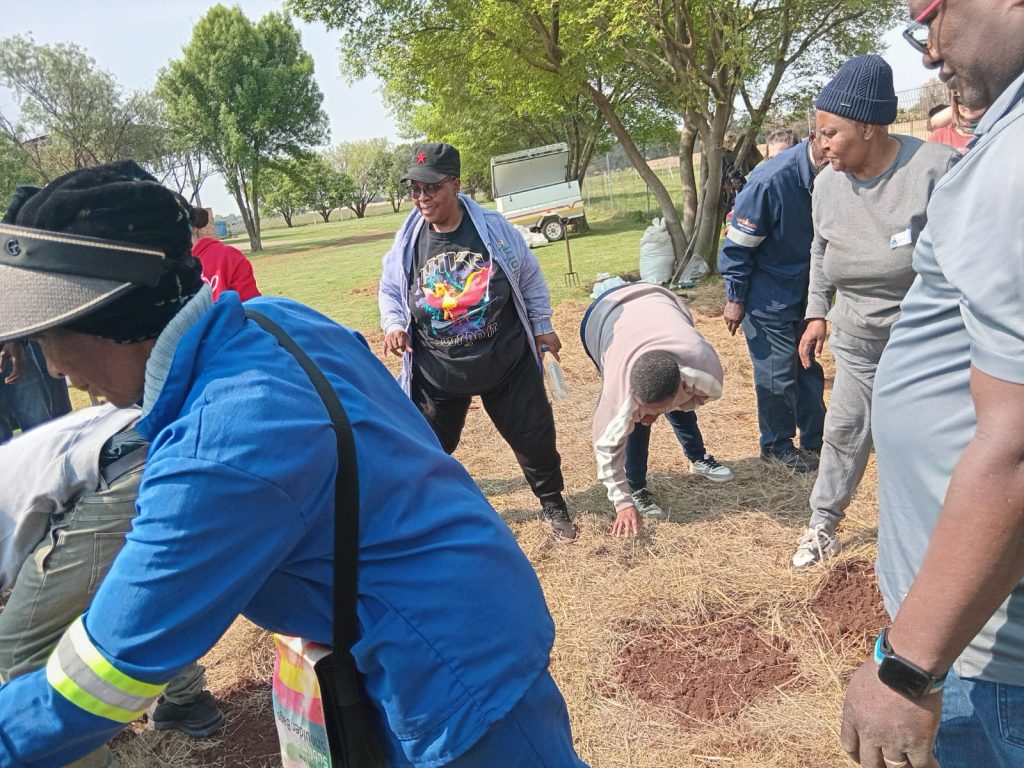
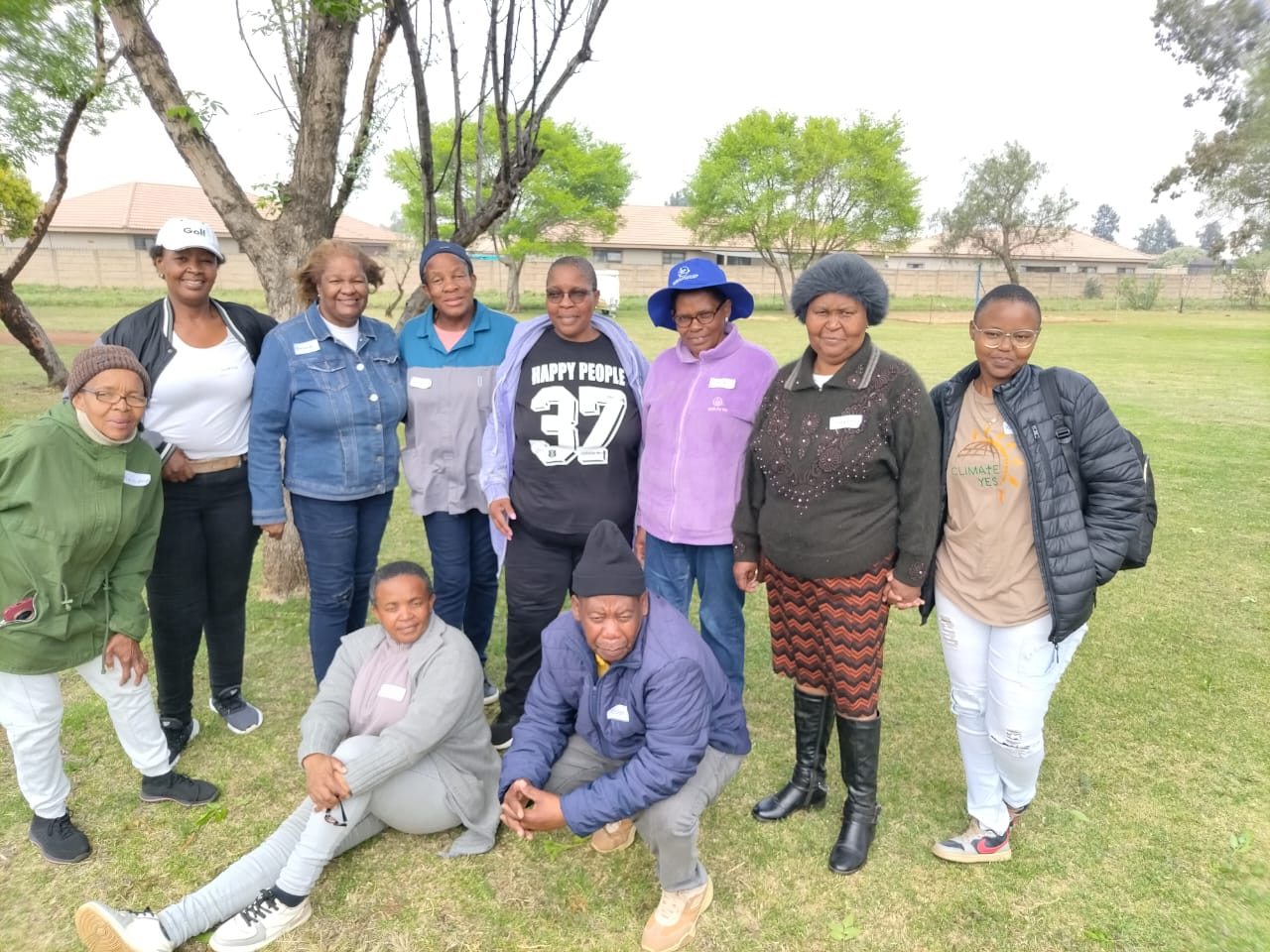
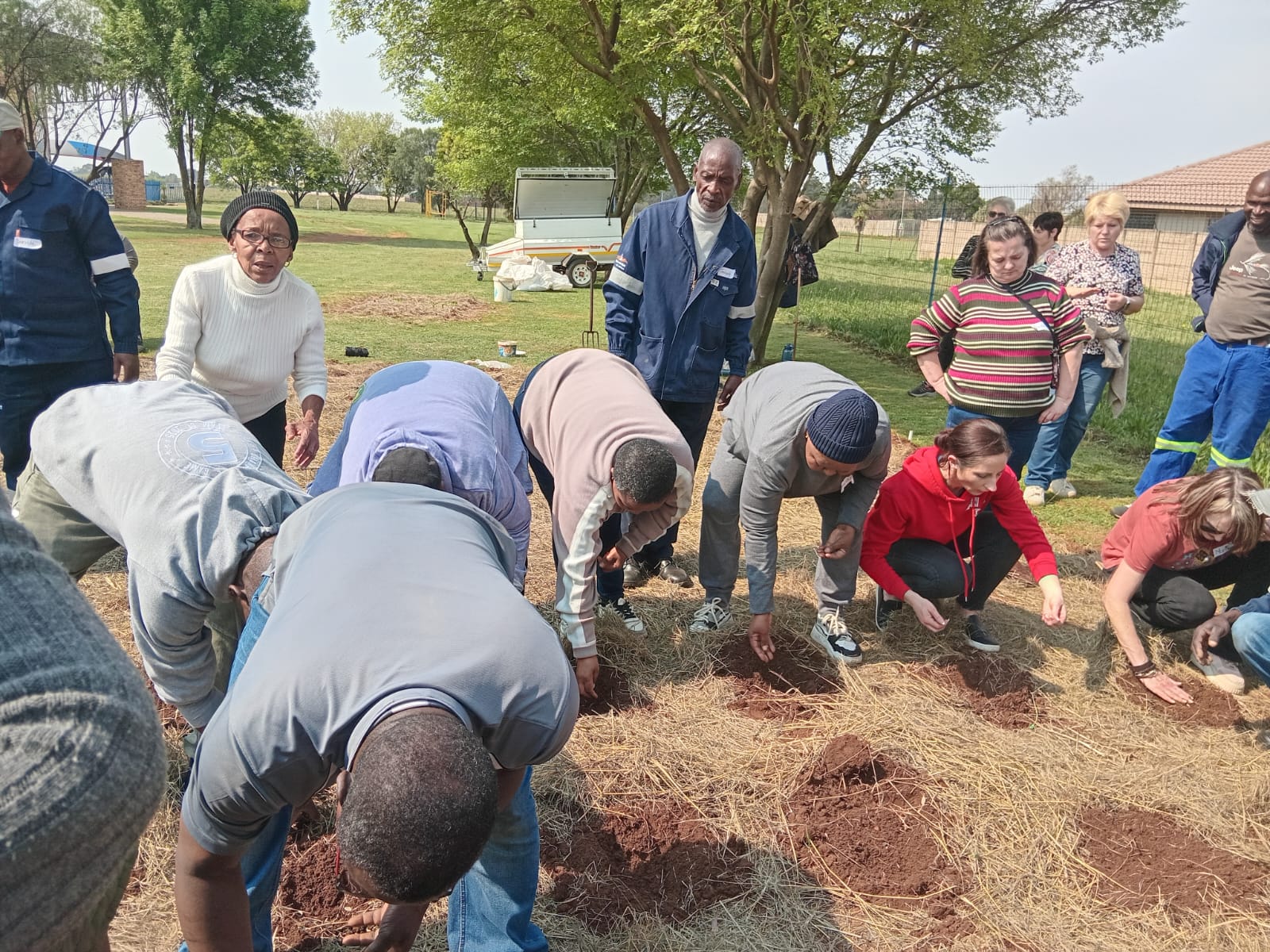
From the 17th to the 19th of September 2026, members of the Mother’s Union from the diocese of Christ the King, participated in a three-day Farming God’s Way (FGW) Training, which took place at Meyerton Christian Centre.
Farming God’s way is a farming resource designed to help individuals, churches, NGOs, missions and communities address challenges such as poverty and food insecurity. It brings together Biblical principles, good management and appropriate agricultural technology to encourage sustainable farming and the responsible use of the land.
The approach is based on the understanding that God is the Creator and that people have been entrusted with the responsibility of caring for His creation. Genesis 2:8-9 is used to illustrate that God Himself established the garden and provided food from the land. Therefore, Farming God’s way seeks to learn from God’s design and apply principles to agriculture.
The purpose of the training was to introduce participants to an approach to farming that combines faith, good management and practical agricultural methods.
The training emphasised the importance of: Improving food security, Reducing poverty and dependency, Caring responsibly for the land, Producing food sustainably, Improving soil health and conserving moisture, Using resources wisely, Developing people’s God-given potential, Applying Biblical principles to everyday life and farming, and Encouraging self-reliance and responsible stewardship.
Farming God’s way consists of three interconnected spheres of influence:
Biblical Principles: teaches that farming and our everyday lives should be guided by God’s principles. Participants were encouraged to recognise God as the provider and to be faithful stewards of what has been entrusted to them.
The training highlights Six Biblical keys: Acknowledge God and God alone, Consider your ways, for you are the temple of the Living God, Understand God’s all-sufficiency, What you sow, you will reap, Bring the tithes and offerings back to God, and Stake your claim. These principles encourage participants to understand that their actions, decisions and attitude have consequences.
Management Principles: Good farming requires good management. The training identifies four management keys: doing things on time, to high standards, with minimal wastage, and with the fruit of the Spirit. Good management is therefore not only about financial profit. It also involves discipline, responsibility, quality, planning and good character.
Agricultural Technology and Practices: The technological component focuses on practical farming methods that support sustainable agriculture
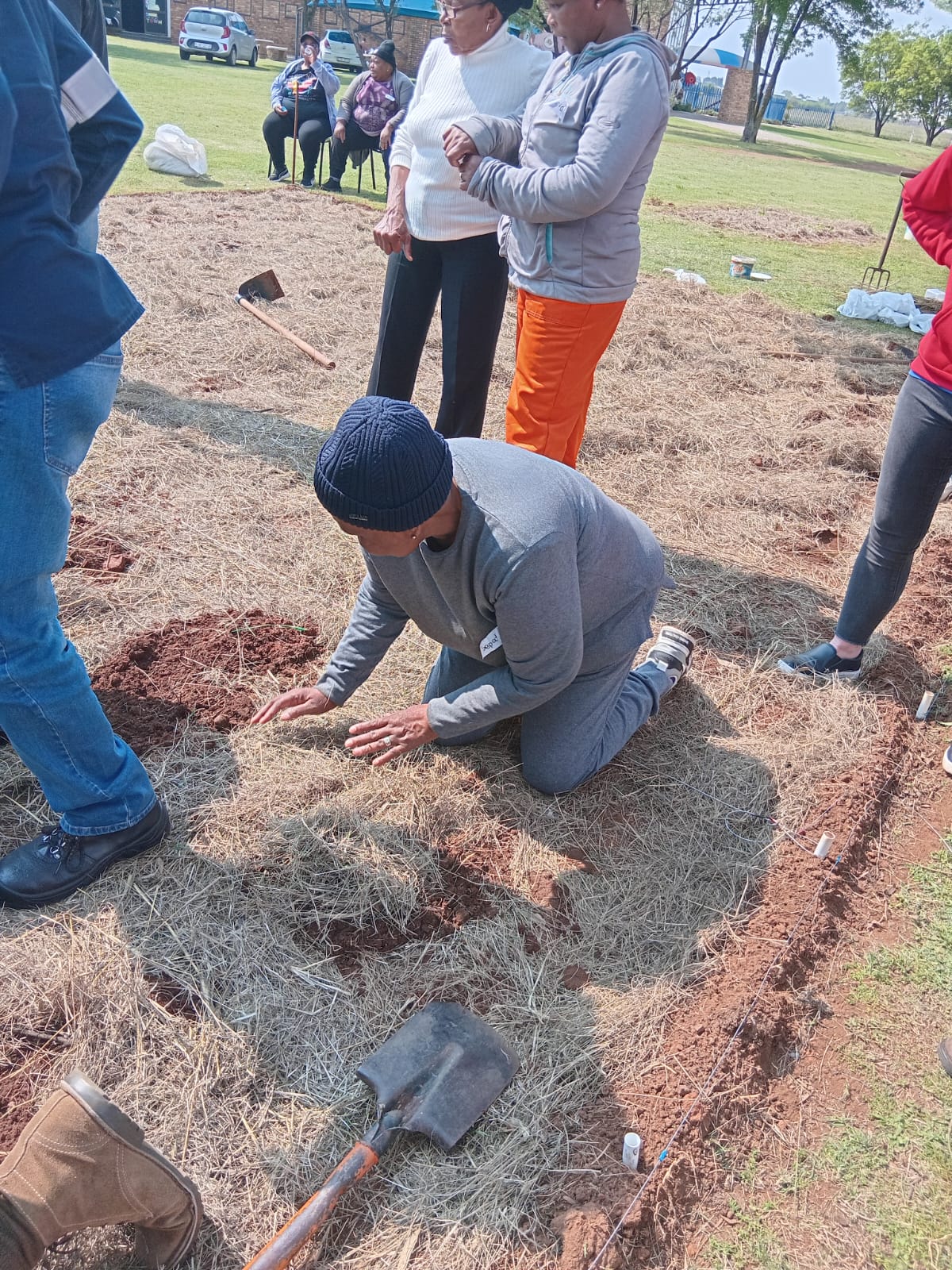
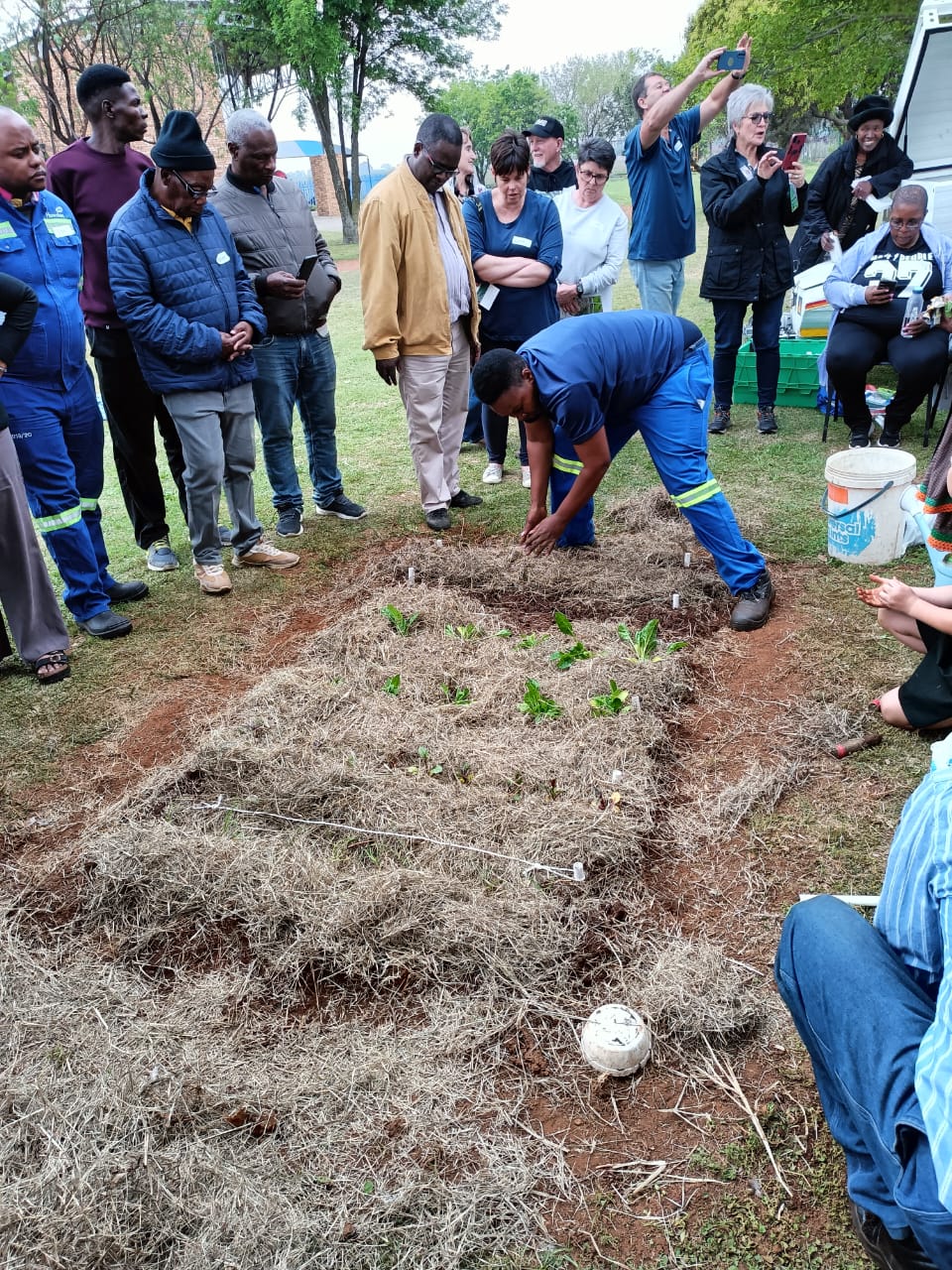
These include: Zero or minimum tillage, Permanent planting stations, Organic mulching, Soil and moisture conservation, Proper spacing and measurement, Reducing unnecessary waste, maintaining healthy soil, and Using available resources effectively. These practices are intended to improve productivity while protecting and restoring the land.
A major principle discussed in the training was ‘what you sow, you will reap’.
Participants were encouraged to understand that success requires faithful and consistent effort. This applies not only to farming but also to personal life, relationships and communities.
The training encourages people to start small and be faithful with what they have. Farmers do not necessarily need to begin with large resources. Instead, they can use what is available to them and progressively develop their farming activities.
Faithful stewardship of the land can help people develop in a manageable and sustainable way.
The training highlighted that making a profit is not the only purpose of farming. There needs to be a healthy balance between increase and godliness. Sustainable profitability should be achieved through: Working on time, maintaining high standards, Minimising wastage, applying good agricultural practices, being responsible with resources, and demonstrating the fruits of the Spirit.
The training has also addressed poverty and dependency. Farming God’s way seeks to encourage people to develop their own potential rather than remain dependent on handouts. The approach emphasises sowing the seeds of knowledge and understanding, enabling people to learn skills and progressively apply them.
The goal is to empower people to become responsible stewards who can use the resources available to them and develop sustainable livelihoods. The wider vision is to see the “yoke of oppression” lifted from poor communities and for people to realise their God-given potential.
Farming God’s way encourages people to sow faithfully, use what they have wisely, care for the land and develop their God-given potential. It presents farming as an opportunity not only to improve food security and livelihoods, but also to bring positive transformations to individuals, families and communities. We also extend our appreciation to the Provincial Green Anglicans’ office.
By: Tlotliso Mangoenyane
 |
 |
 |
 |