The call to care for God’s creation is not a responsibility reserved for environmental activists or conservation organisations. It is a Christian calling, deeply rooted in Scripture and central to the mission of the Church.
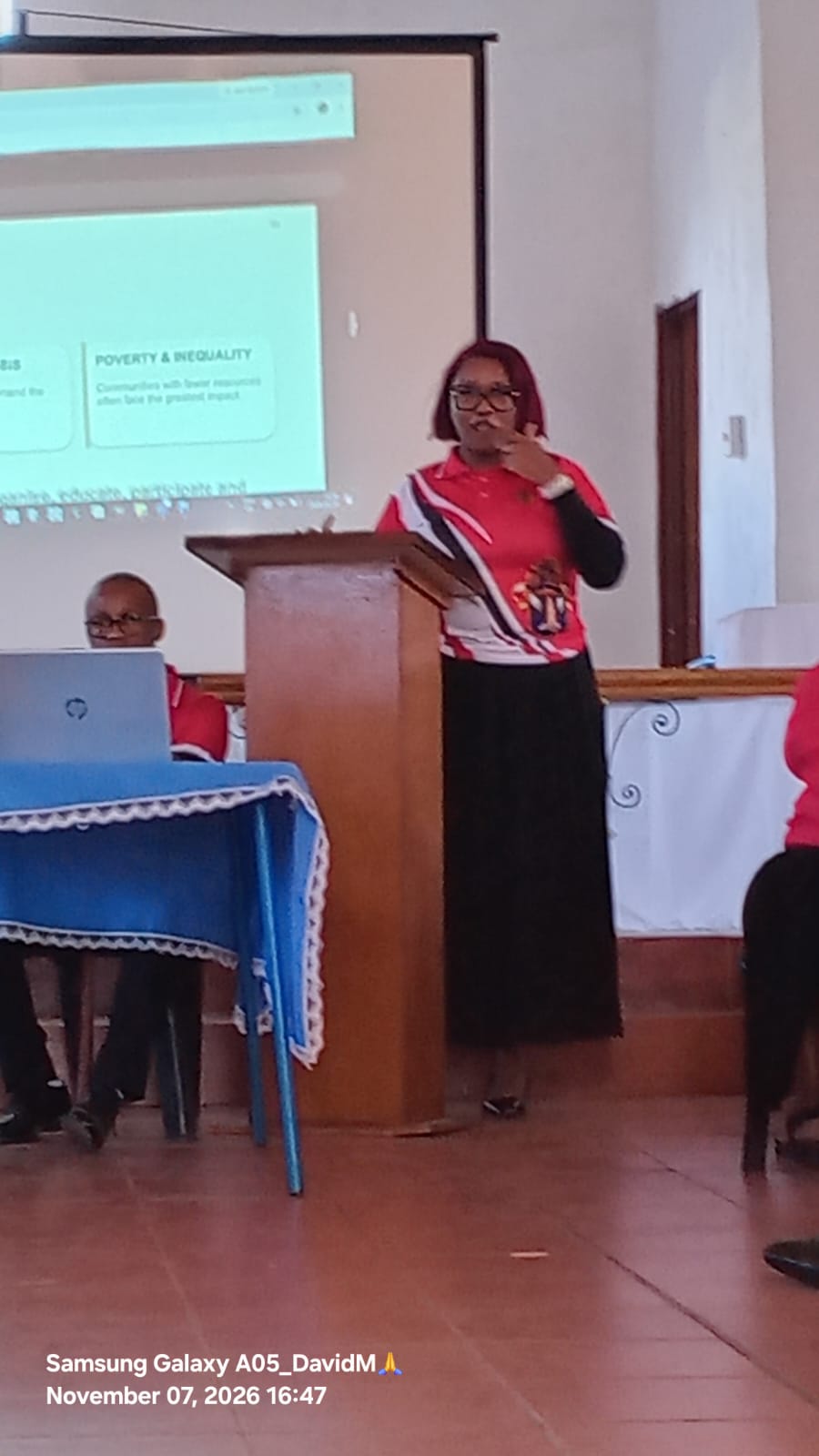
At the Diocese of Free State 2026 Diocesan College of Lay Ministers Conference, held under the theme “Renewing Our Calling, Strengthening Our Unity and Recommitting Ourselves to Faithful Service,” I had the opportunity to present on Green Anglican: A Sacred Responsibility, From Synod Resolutions to Faithful Action. The presentation sought to remind us that our faith must extend beyond the walls of our churches. Our responsibility as Christians does not end with worship, preaching and service to one another. It also includes how we care for the earth that God has entrusted to us.
In Genesis 1:26–28, humanity is given dominion over creation. However, dominion should never be understood as permission to exploit, neglect or destroy the natural world. Rather, it is a call to responsible stewardship. Genesis 2:15 reinforces this responsibility by reminding us that humanity was placed in the garden to cultivate it and care for it. As Christians, we must understand that dominion means stewardship, not destruction. Authority must come with accountability.
This responsibility is further reflected in the Fifth Mark of the Anglican Communion’s Marks of Mission:
“To strive to safeguard the integrity of creation and sustain and renew the life of the earth.”
Creation care is therefore not an additional activity that the Church may choose to pursue when convenient. It is part of our Anglican identity and our Christian witness.
During the presentation, particular attention was given to two Provincial Synod resolutions: Resolution 5.7 on the Climate Change Emergency and Resolution 5.8 on Plastic. Both resolutions challenge the Church to move beyond acknowledging environmental challenges and towards meaningful, measurable action.
Resolution 5.7 recognises the interconnected realities of climate change, biodiversity loss, poverty and inequality. These are not distant problems affecting only other parts of the world. They are realities that affect communities across South Africa, including the Free State, where water scarcity, pressure on agriculture, pollution and food insecurity continue to affect people’s livelihoods.
Resolution 5.8 calls on the Anglican Church to become a #ZeroWaste Church. It challenges our parishes and dioceses to rethink consumption practices, reduce single-use plastics, introduce recycling initiatives, establish food gardens and become more intentional about the waste we generate.
Importantly, these resolutions remind us that environmental justice is also social justice. The communities that are often least responsible for environmental degradation are frequently the ones that experience its consequences most severely.
From resolutions to action
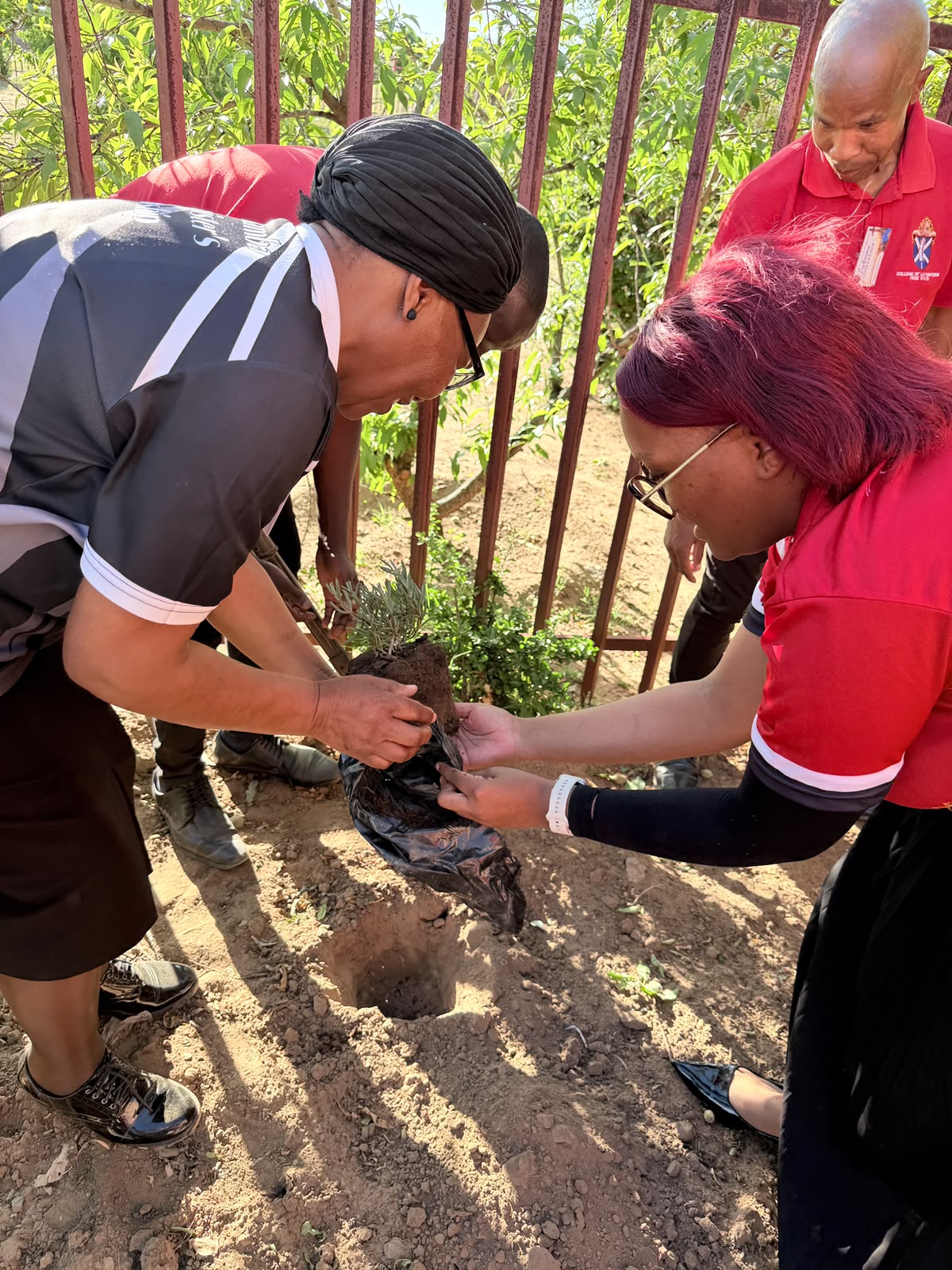
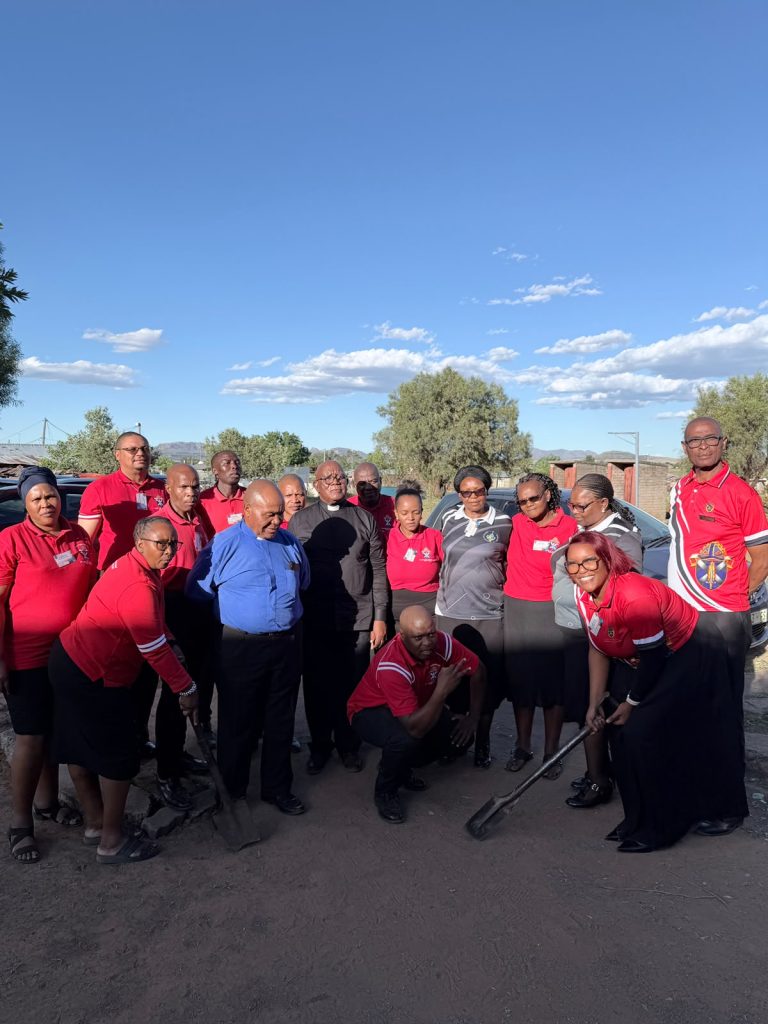
One of the most important messages from the presentation was that resolutions must translate into practical action within our parishes and communities. As part of this commitment, we took a small but meaningful step by planting ten flowers at the parish. We were also honoured to have the President of the Diocesan Lay Ministers from the Diocese of Khahlamba join us in this initiative.
Although planting ten flowers may appear to be a modest contribution, it represents something much bigger: a willingness to put our convictions into practice. It was a practical expression of unity, participation and shared responsibility for the environment. It also demonstrated that creation care does not always require substantial funding or complicated programmes. Sometimes, transformation begins with the resources available to us, a willingness to participate and a decision to do something rather than nothing.
As Lay Ministers, we have an important role to play in this work. We can educate our congregations, encourage environmentally responsible practices, support community clean-ups, promote tree and flower planting, advocate for water conservation and create opportunities for young people and women to participate meaningfully in environmental initiatives. Our churches must become examples of responsible environmental stewardship, not merely places where environmental concerns are discussed.
Renewing our calling
The conference theme calls us to renew our calling, strengthen our unity and recommit ourselves to faithful service. I believe that caring for creation speaks directly to all three.
We renew our calling when we recognise that our ministry extends beyond the pulpit and into the world God created. We strengthen our unity when we work together across parishes, organisations and communities. And we recommit ourselves to faithful service when we turn our prayers, resolutions and convictions into visible action.
A Synod resolution without implementation remains an unfulfilled promise.
The planting of ten flowers may be a small beginning, but it carries an important message: we cannot continue to pray for a better world while neglecting our responsibility to care for the one we have been given. God did not place us on earth to become its destroyers. He placed us here to become its faithful stewards.
May we become a Church that not only prays for creation but actively protects it. A Church that teaches stewardship, practises sustainability and leaves behind a legacy of care for generations yet to come. The work of creation care is not someone else’s ministry. It is part of ours.
By: Ikaelelo Madikgetla