
Anglican communities across South Africa celebrated Mandela Day by turning 67 minutes of service into meaningful action for people, communities and God’s creation.
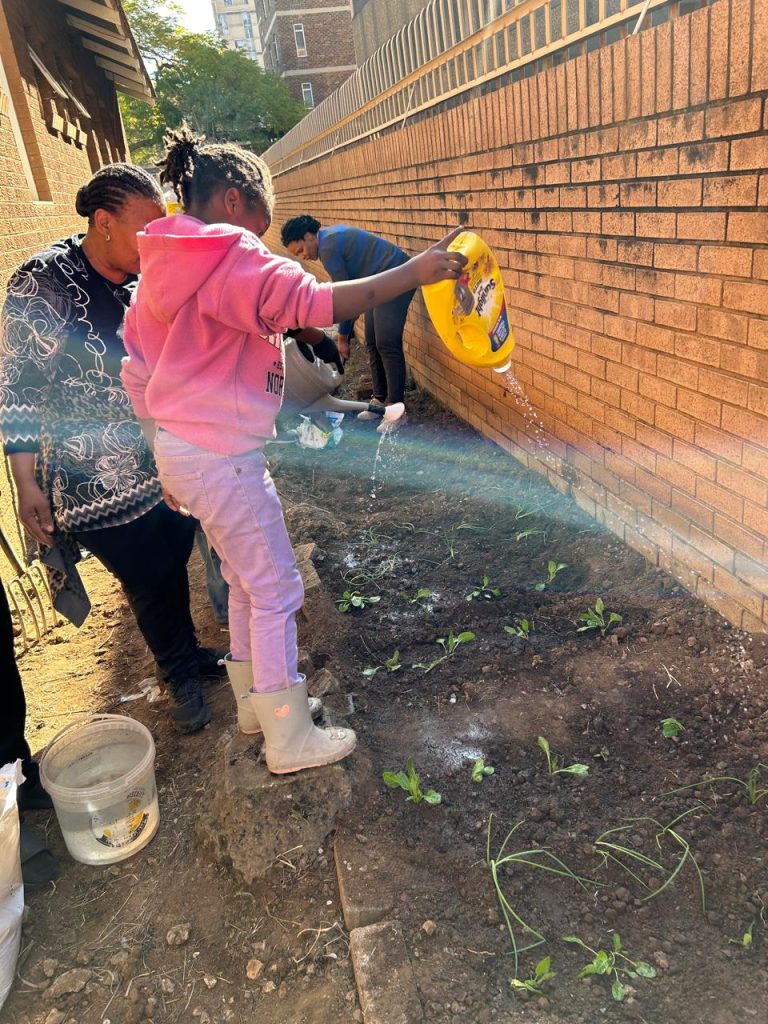
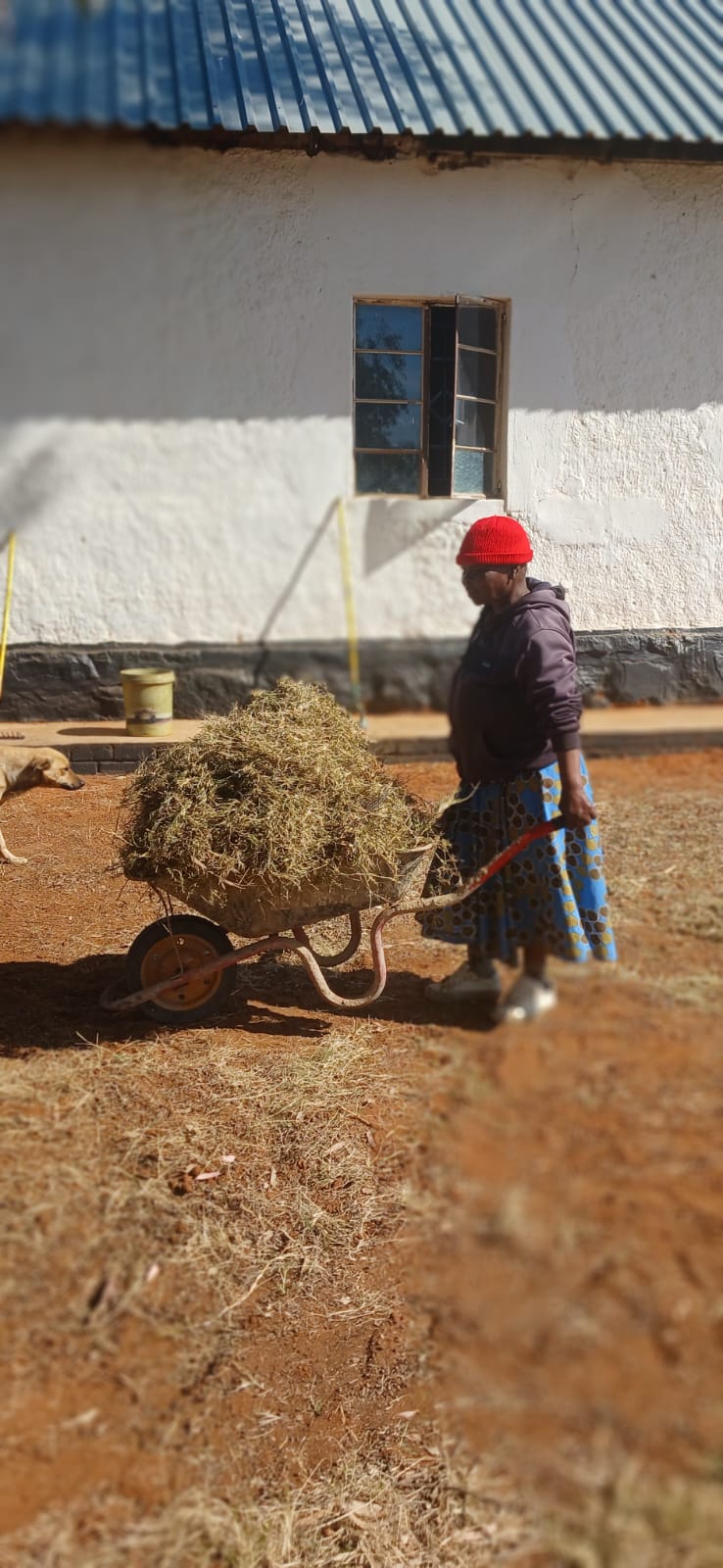
At St Michael’s and All Angels in Sunnyside, in the Diocese of Pretoria, the Mothers Union, together with young people and parish members, cleaned their surroundings while growing spinach and spring onions, promoting both environmental care and food security.
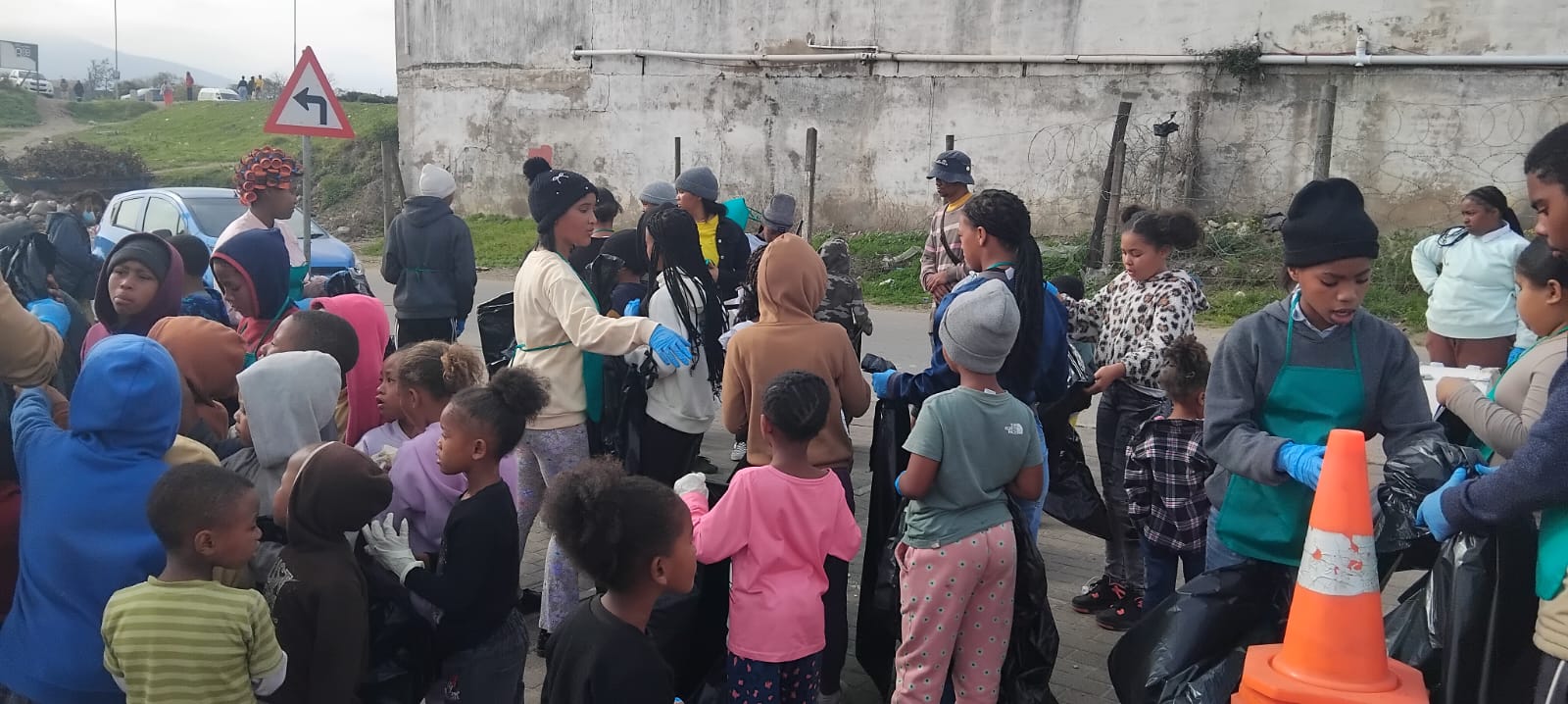
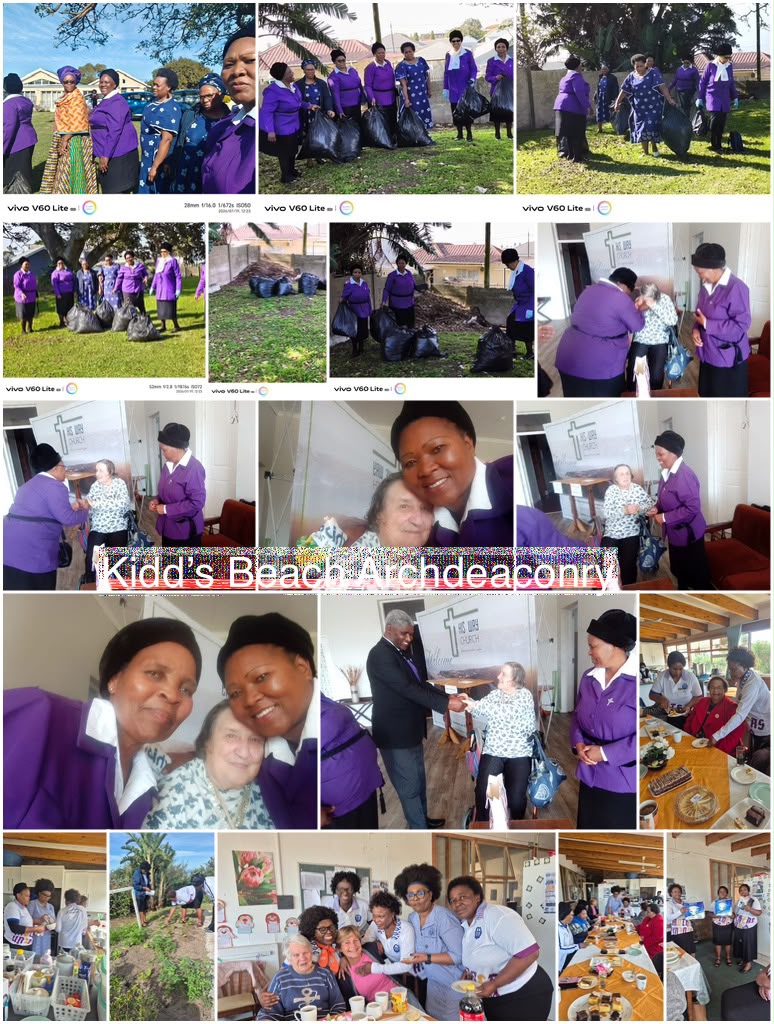
In the Diocese of Grahamstown, communities across several archdeaconries served soup to children and community members. Mothers’ Union President Wendy Mfazwe joined the initiative. In Kidd’s Beach, members visited an old-age home, while in Scenery Park, East London, members collected 10 bags of rubble during a cleanup and prepared the soil for planting new seedlings.
At St Mary’s in the Diocese of Kimberley and Kuruman, the congregation dedicated 67 minutes to cleaning the church grounds, while the Mothers’ Union prepared and served a meal.
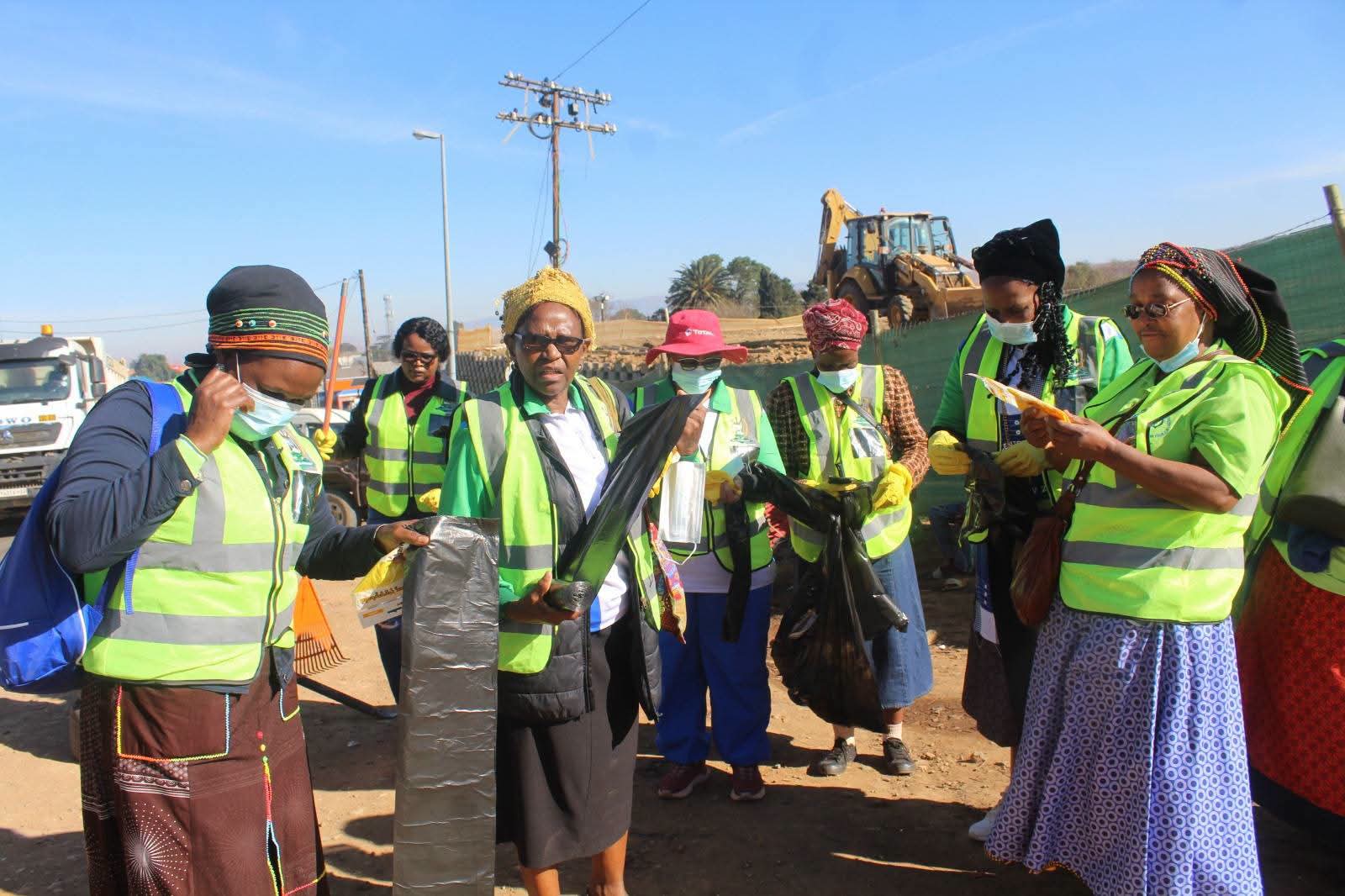
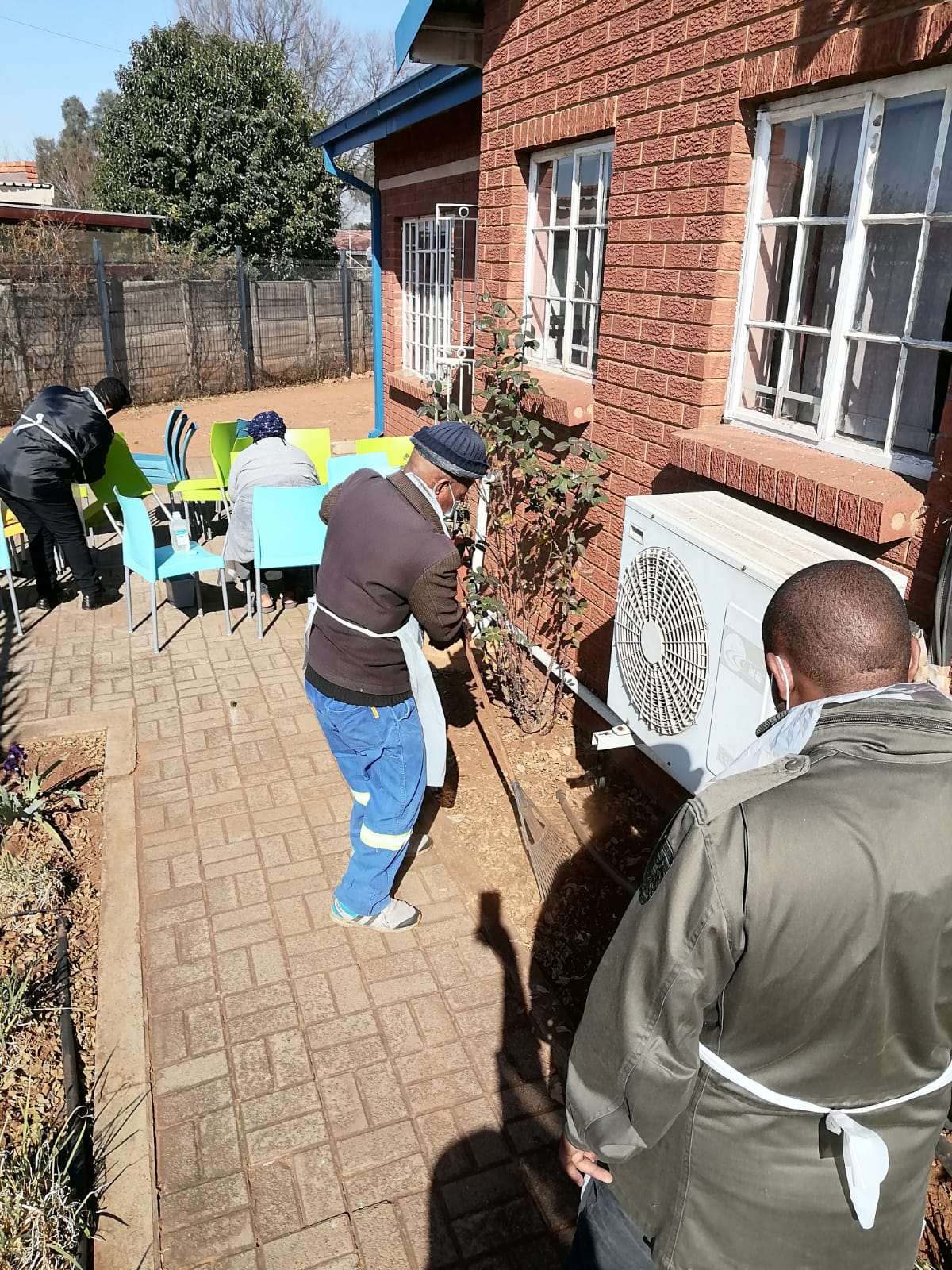
In the Diocese of Christ, the King, Mothers’ Union members and the Hospital Committee cleaned Kookrus Clinic in Meyerton, collecting more than 10 bags of rubbish.
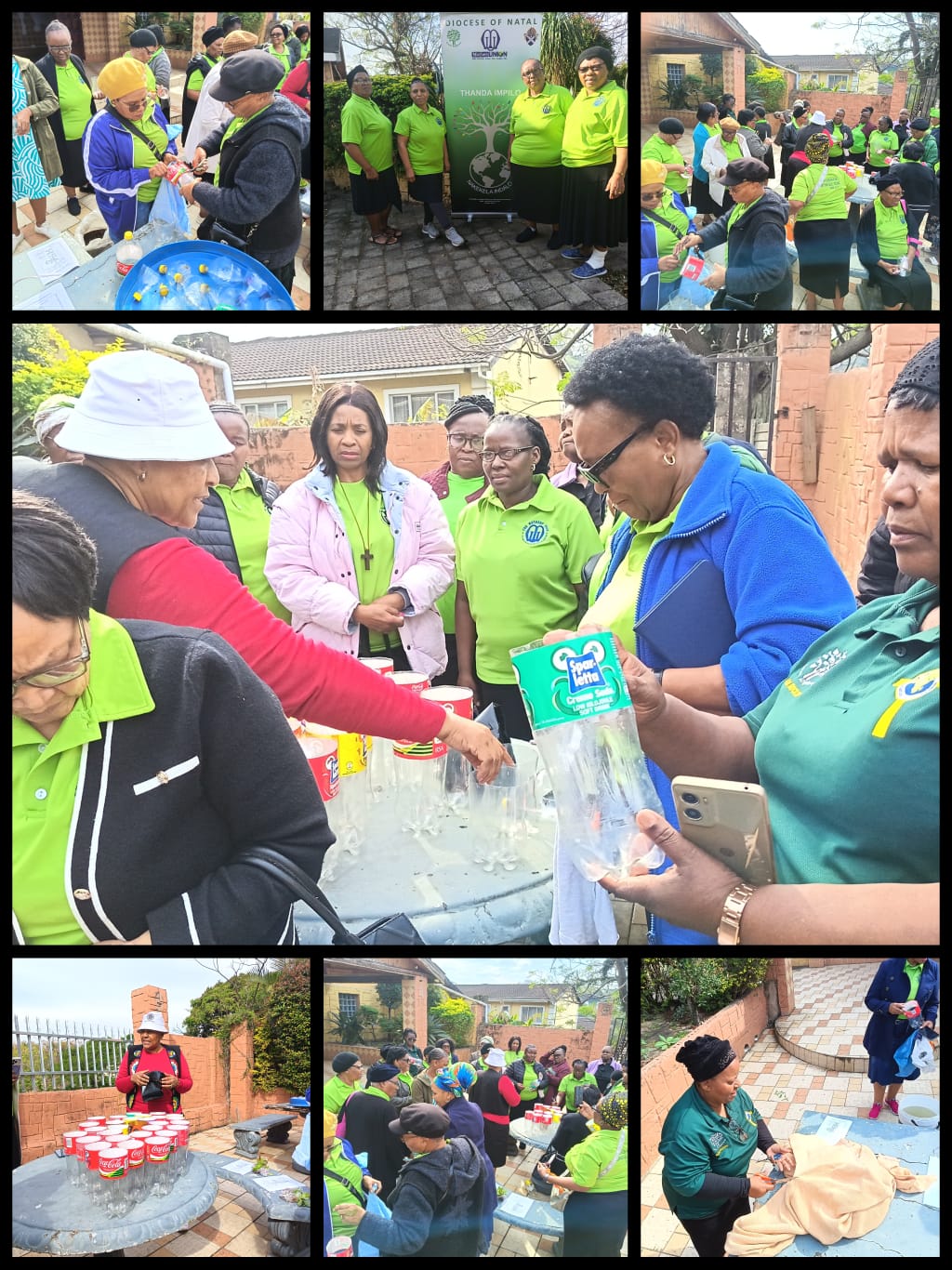
The Mothers’ Union in the Diocese of Natal marked the occasion through practical eco-learning. Members explored portable gardens made from recycled 2-litre bottles, sustainable food production, poultry care and crafts. They are also working to create a recycled-plastic mat and to collect 300 eco-bricks to build a community bench.
At St Paul’s Conville in the Diocese of George, Mothers’ Union members, youth, Sunday School, the Brigade, Servers’ Guild and parishioners joined Skynet George in cleaning the church grounds and streets of Borchards. The service ended with games, prizes, soup and fellowship.
In the Diocese of Mbashe, Mothers’ Union members partnered with the local municipality and Provincial Communications for a 67-minute community cleanup. These initiatives demonstrate the spirit of the Anglican Communion’s Fifth Mark of Mission: “To safeguard the integrity of creation and sustain and renew the life of the earth.” From growing food and reducing waste to cleaning communities and caring for vulnerable people, Anglicans are showing that caring for people and caring for creation are deeply connected.
 |
 |
 |
 |
 |
 |