
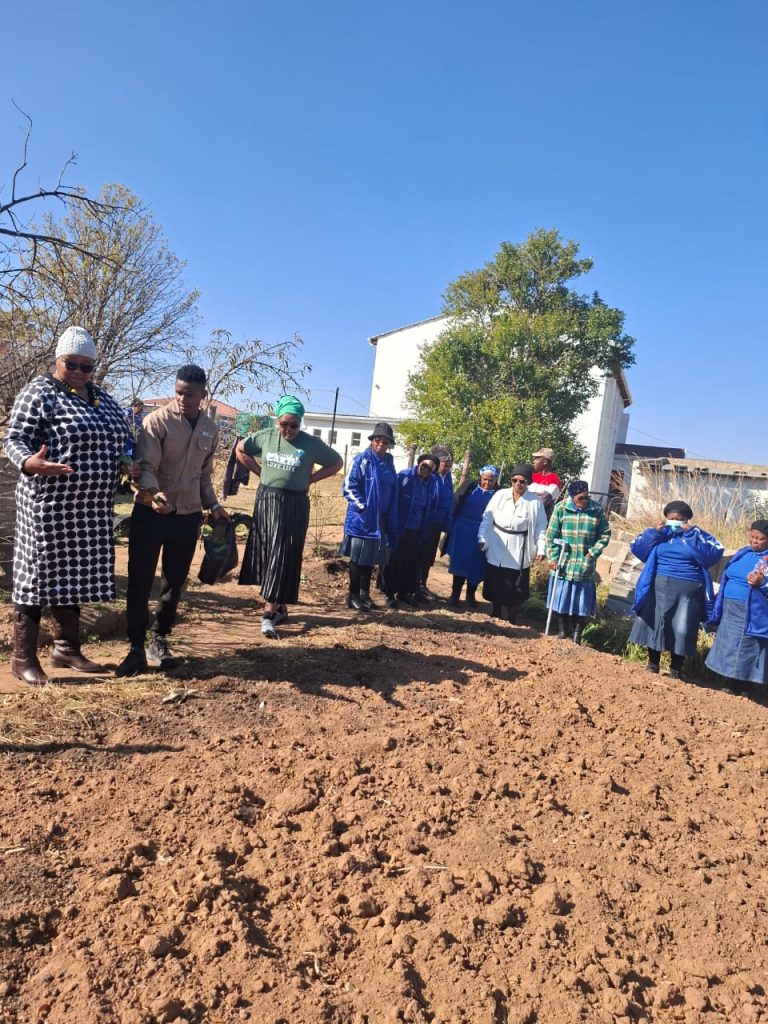
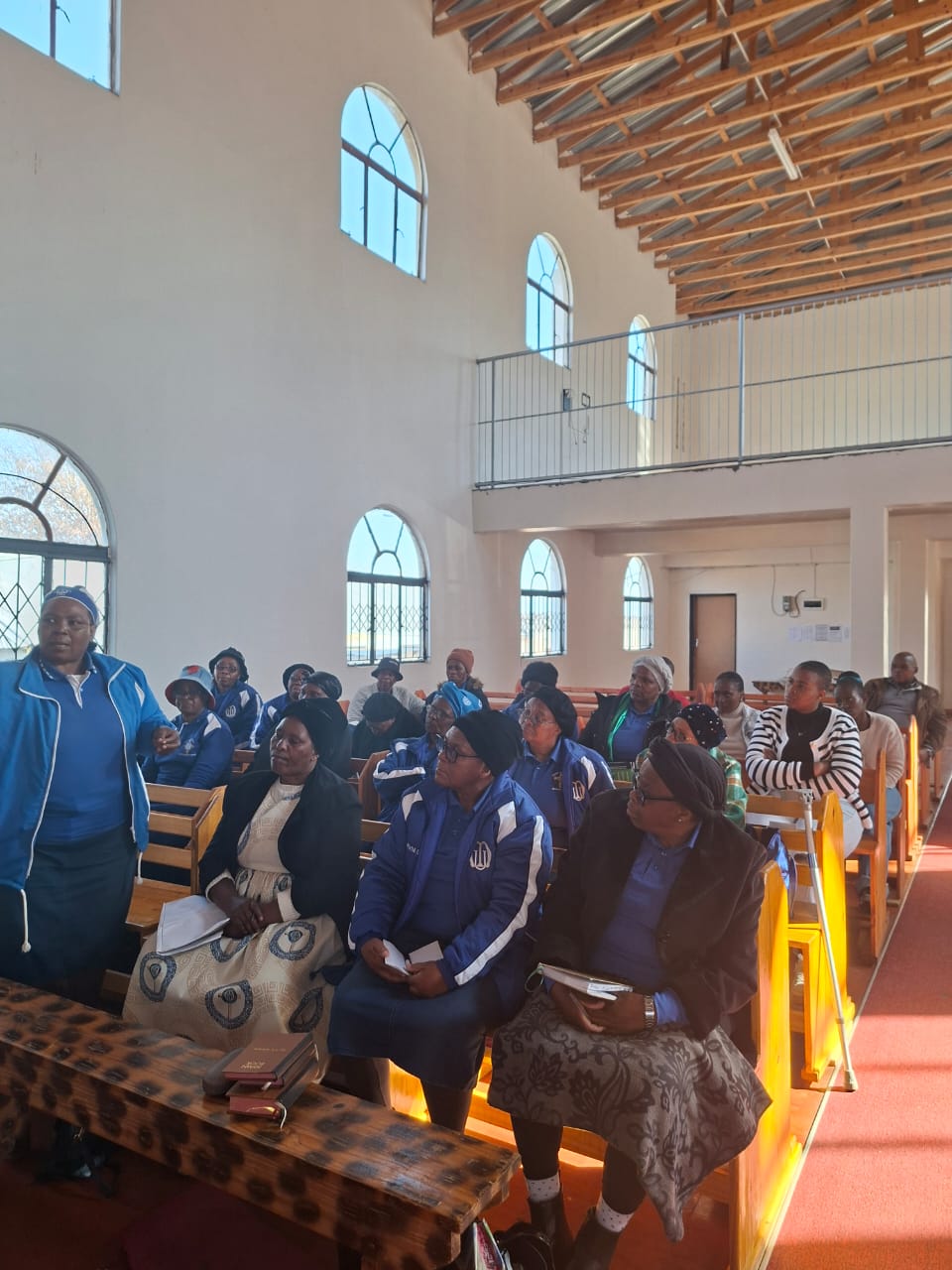
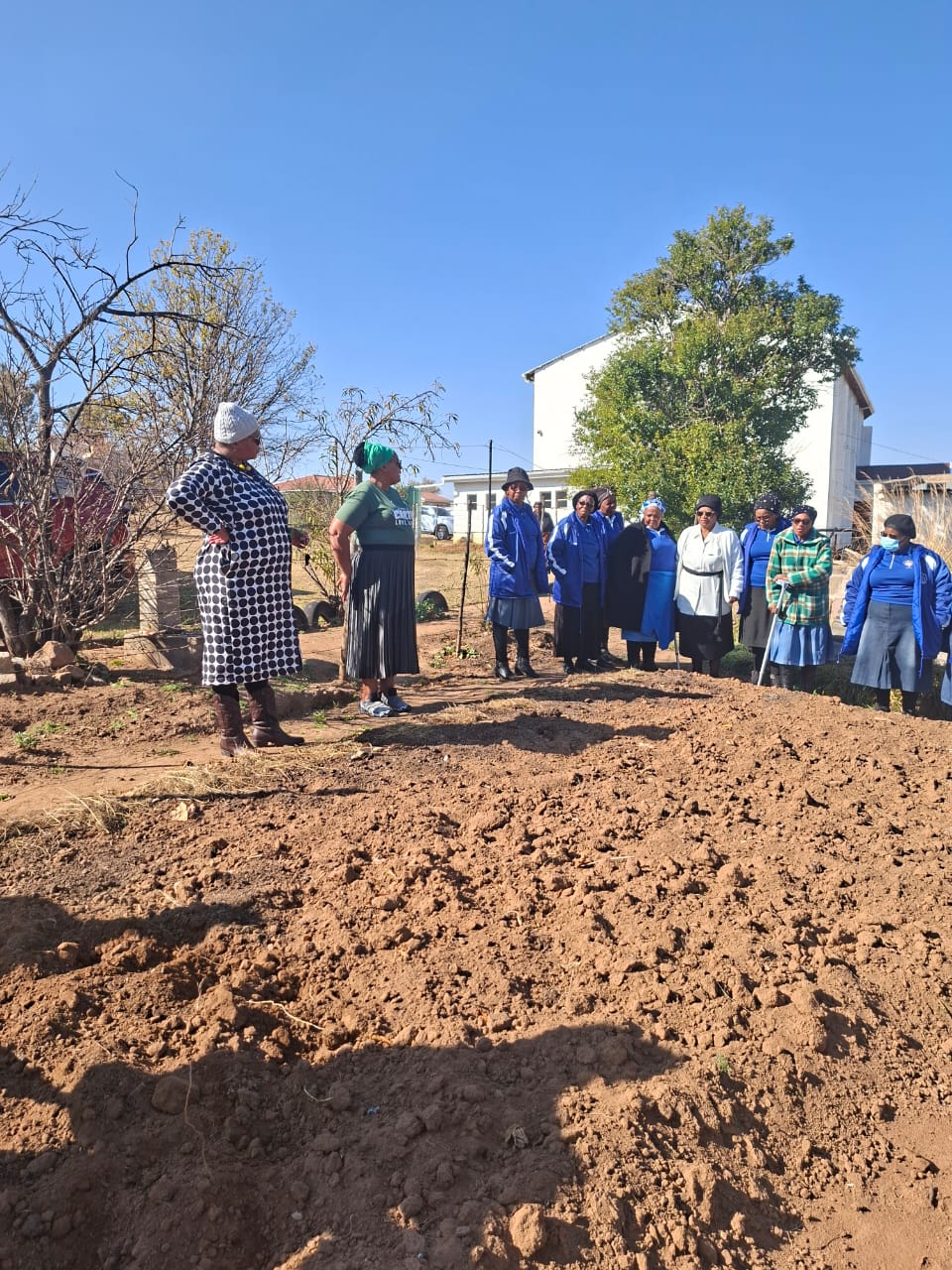
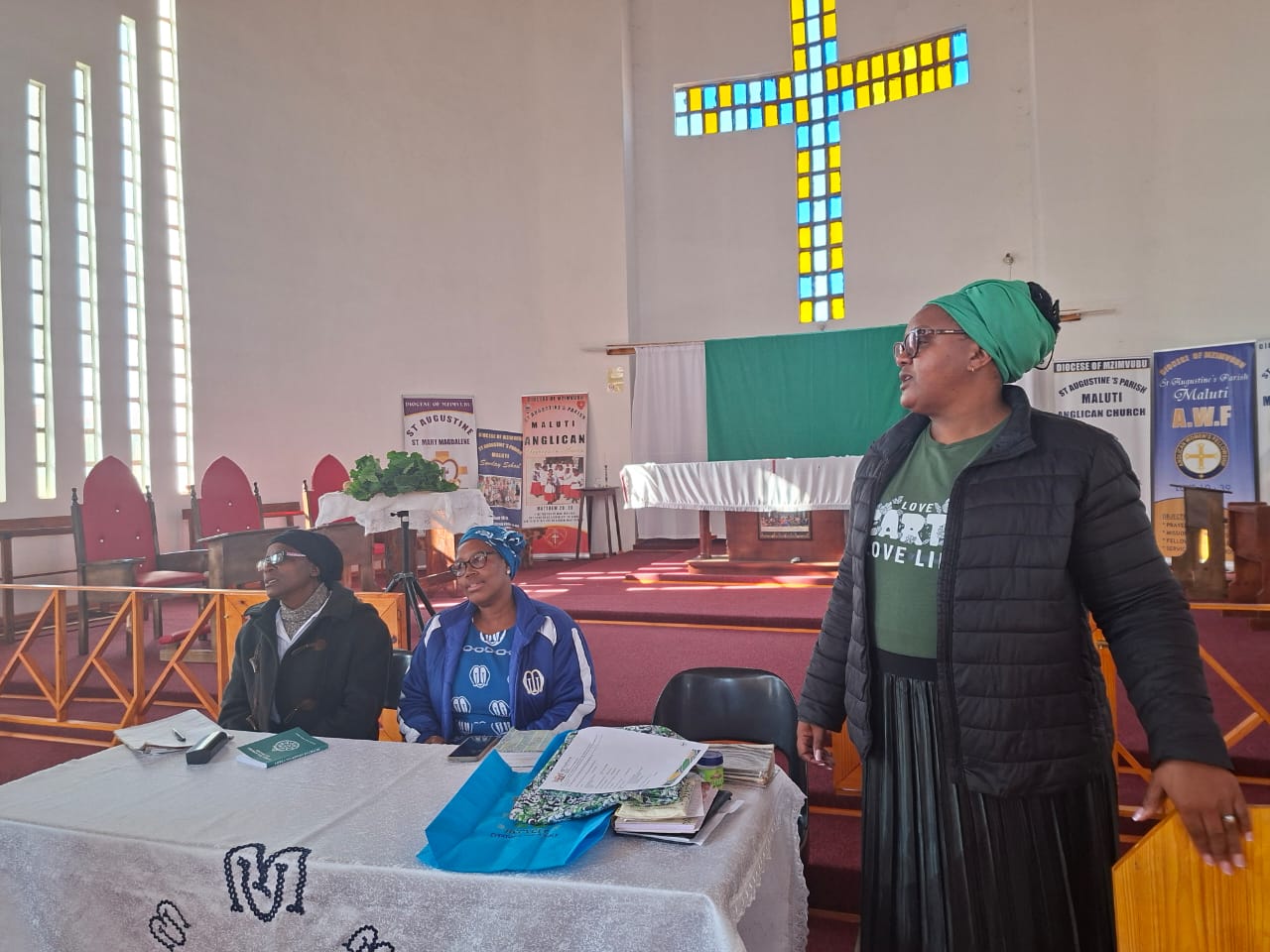
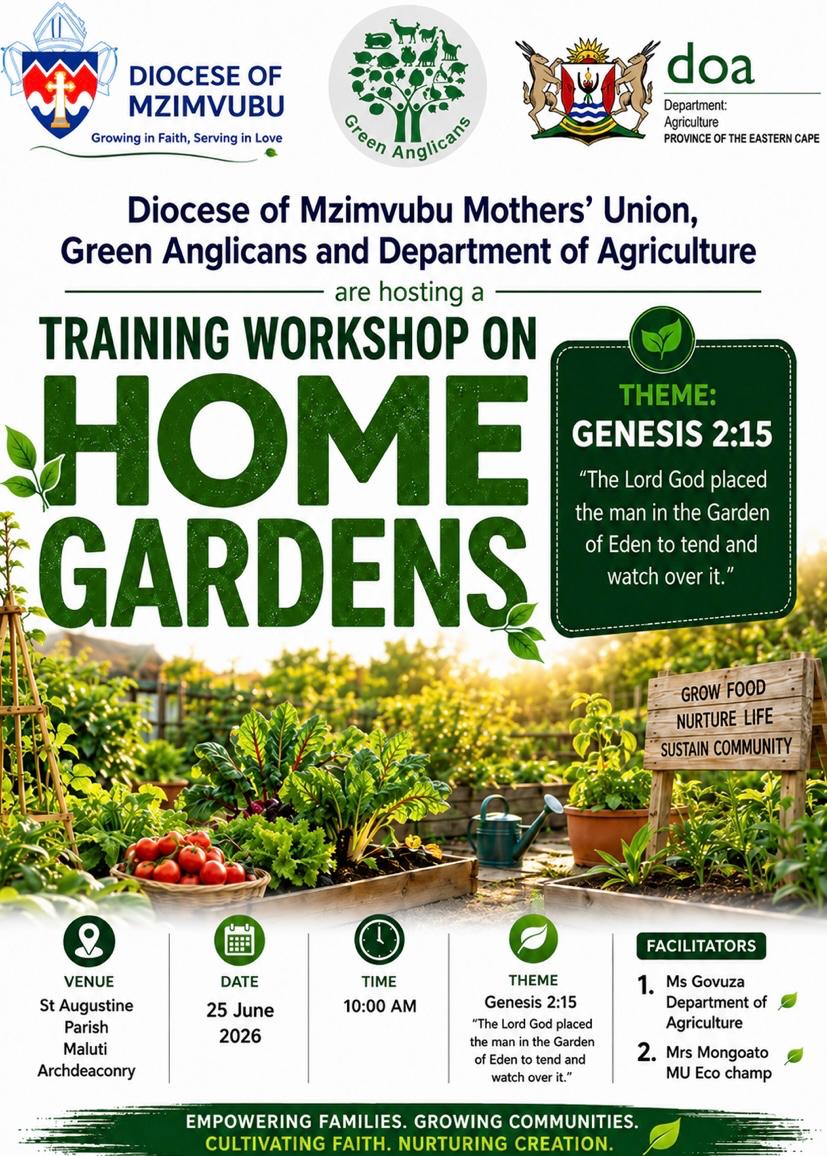
On Thursday, 25 June 2026, forty members of the Mothers’ Union (MU) from the Maluti Archdeaconry in the Diocese of Mzimvubu gathered at the Parish of St Augustine for a practical training workshop on home gardening. The workshop was held under the biblical theme from Genesis 2:15: “The Lord God placed the man in the Garden of Eden to tend and watch over it.”
The training formed part of the Diocese’s ongoing commitment to environmental stewardship, food security, and sustainable livelihoods, encouraging church members to care for God’s creation while improving household resilience through home food production.
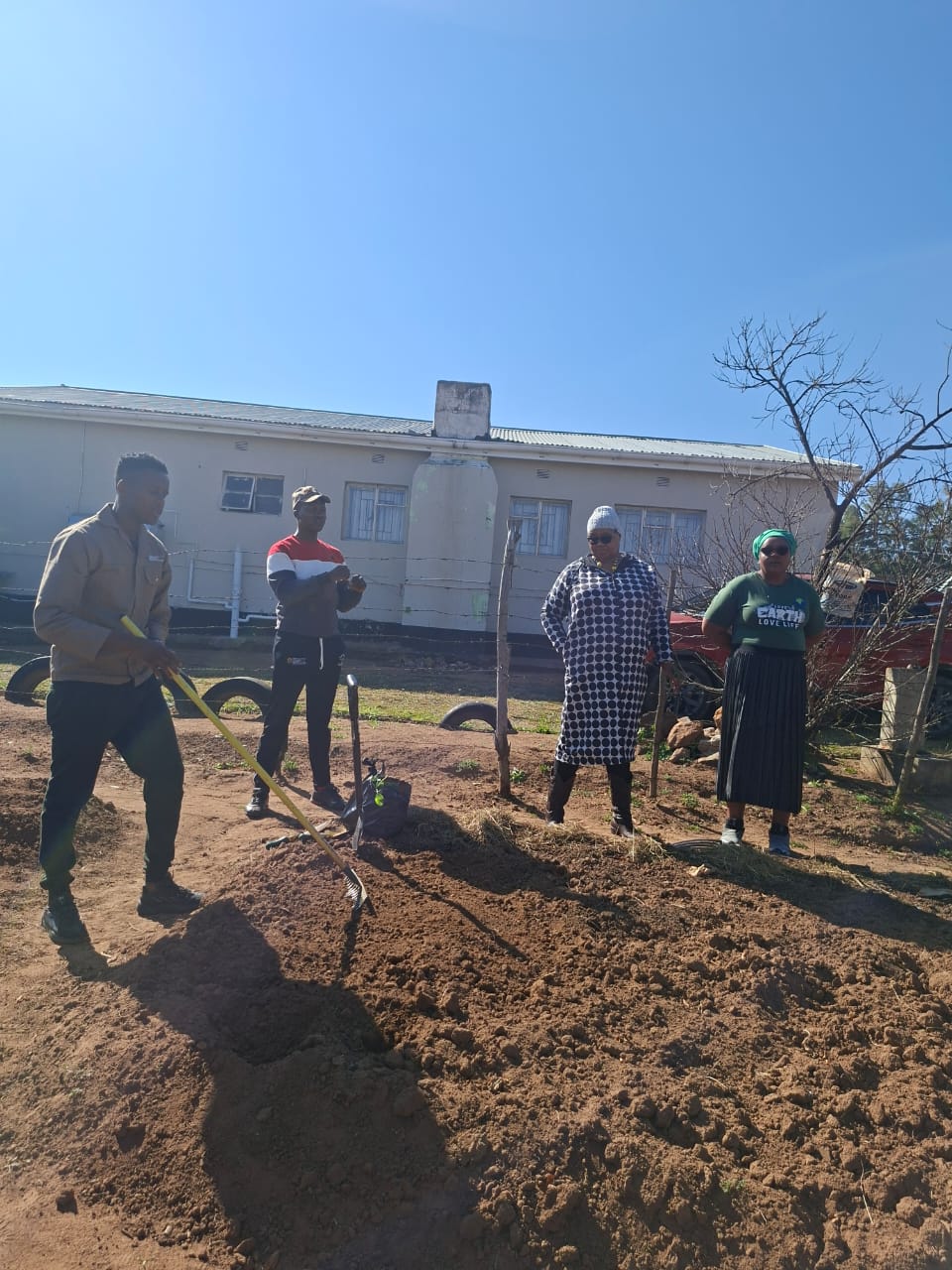
The workshop was coordinatated by Mme Selloane Mongoato and facilitated by Ms Govuza and Mr Mako, who provided participants with practical knowledge and hands-on demonstrations. The training covered key aspects of successful gardening, including soil preparation, the responsible use of herbicides and insecticides, and effective planting techniques. Participants gained valuable skills that will enable them to establish and maintain productive home gardens within their communities.
Beyond the technical training, the workshop laid the foundation for long-term community support and collaboration. Participants agreed to establish a study group that will be formally registered to continue learning together, share experiences, and encourage one another in sustainable farming practices. The group also committed to regular monitoring of their gardens and plans to conduct soil testing by collecting and submitting soil samples to better understand the nutritional needs of their land.
As part of the practical implementation of the workshop, five families received vegetable seedlings to establish their own home gardens. The facilitators and local coordinators will continue to monitor and support these households, providing guidance and encouragement as the gardens develop.
As these gardens begin to flourish, they will not only provide fresh produce for families but also serve as living examples of how faith and environmental action can work together to nurture both people and the earth.
 |
 |
 |
 |
 |
 |