
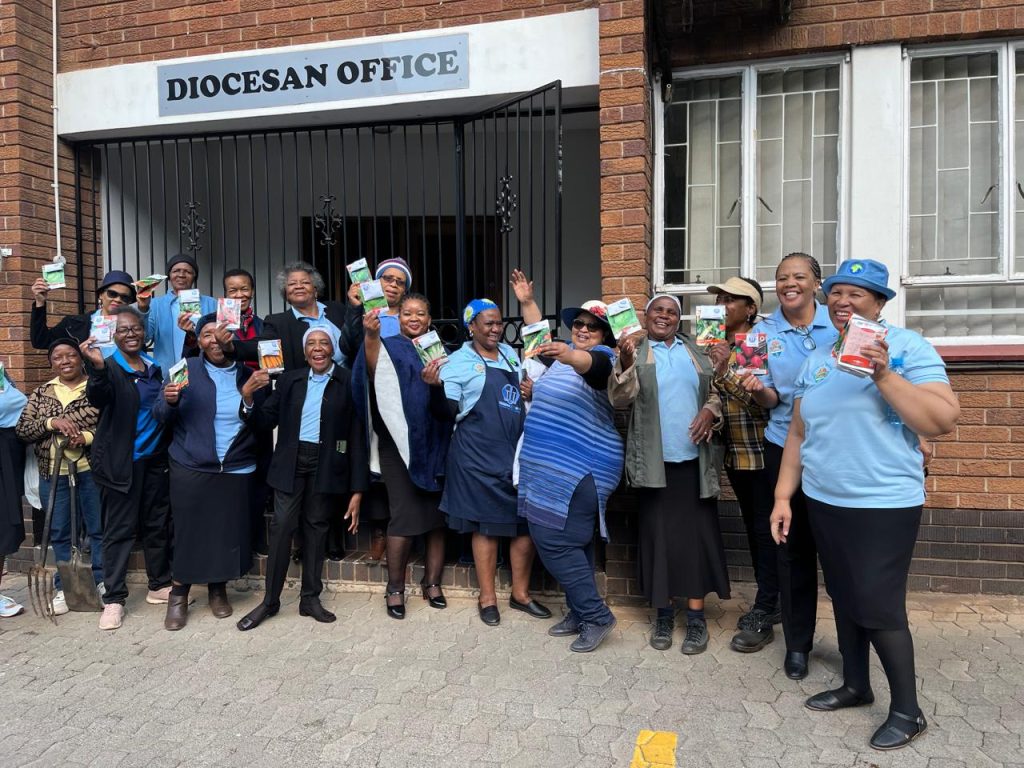
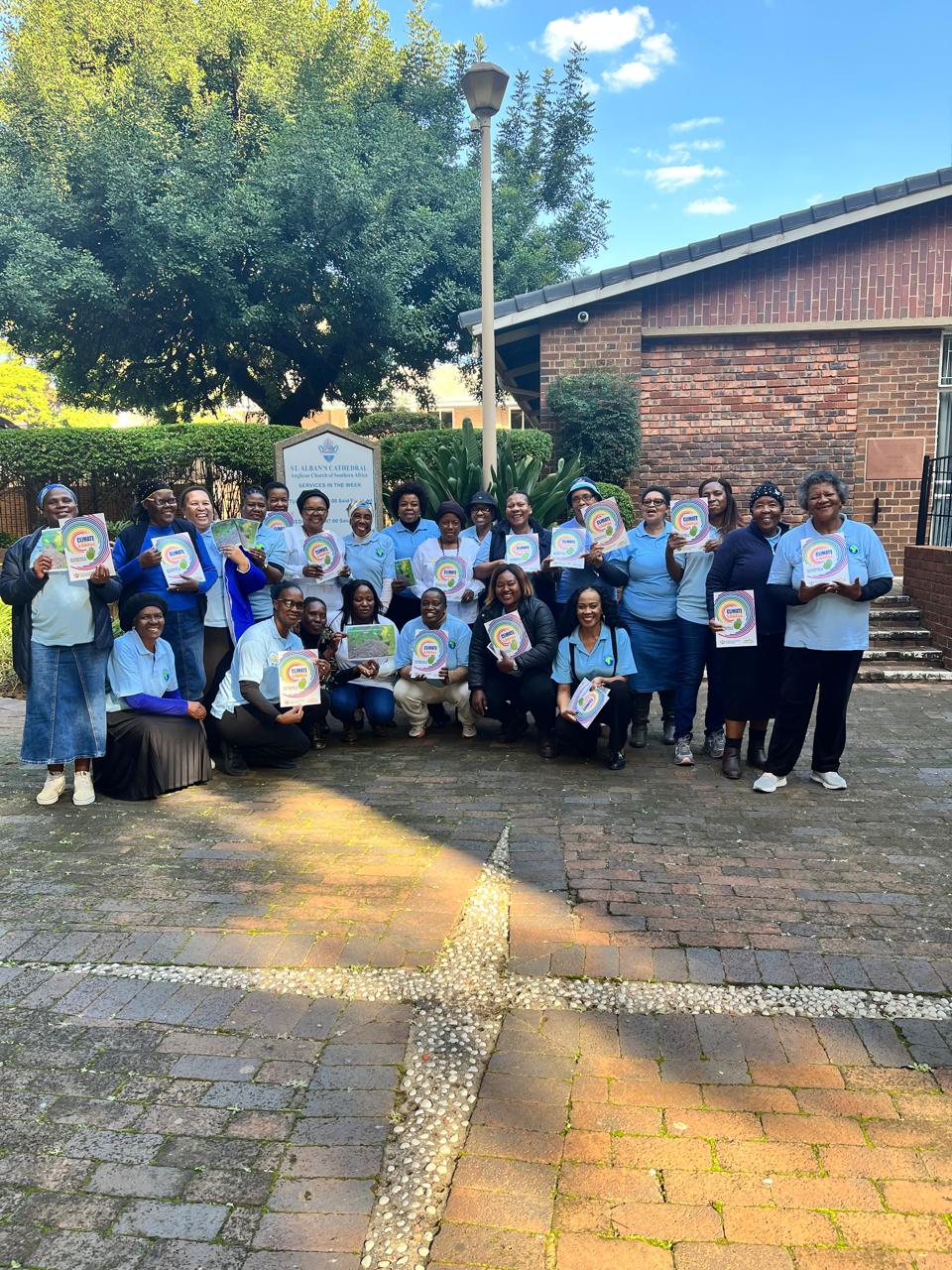
The Mothers’ Union (MU) of the Anglican Diocese of Pretoria recently completed a Vegetable Garden Training Workshop to equip women with practical gardening skills to promote food security, climate resilience, and poverty alleviation.
Coordinated by the Diocese’s Mme Nomathemba Makam (MU, eco-champ) on behalf of the Green Anglicans Movement, the workshop encouraged participants to establish sustainable vegetable gardens and to share their knowledge with parishes, households, young girls, and youth across the Diocese.
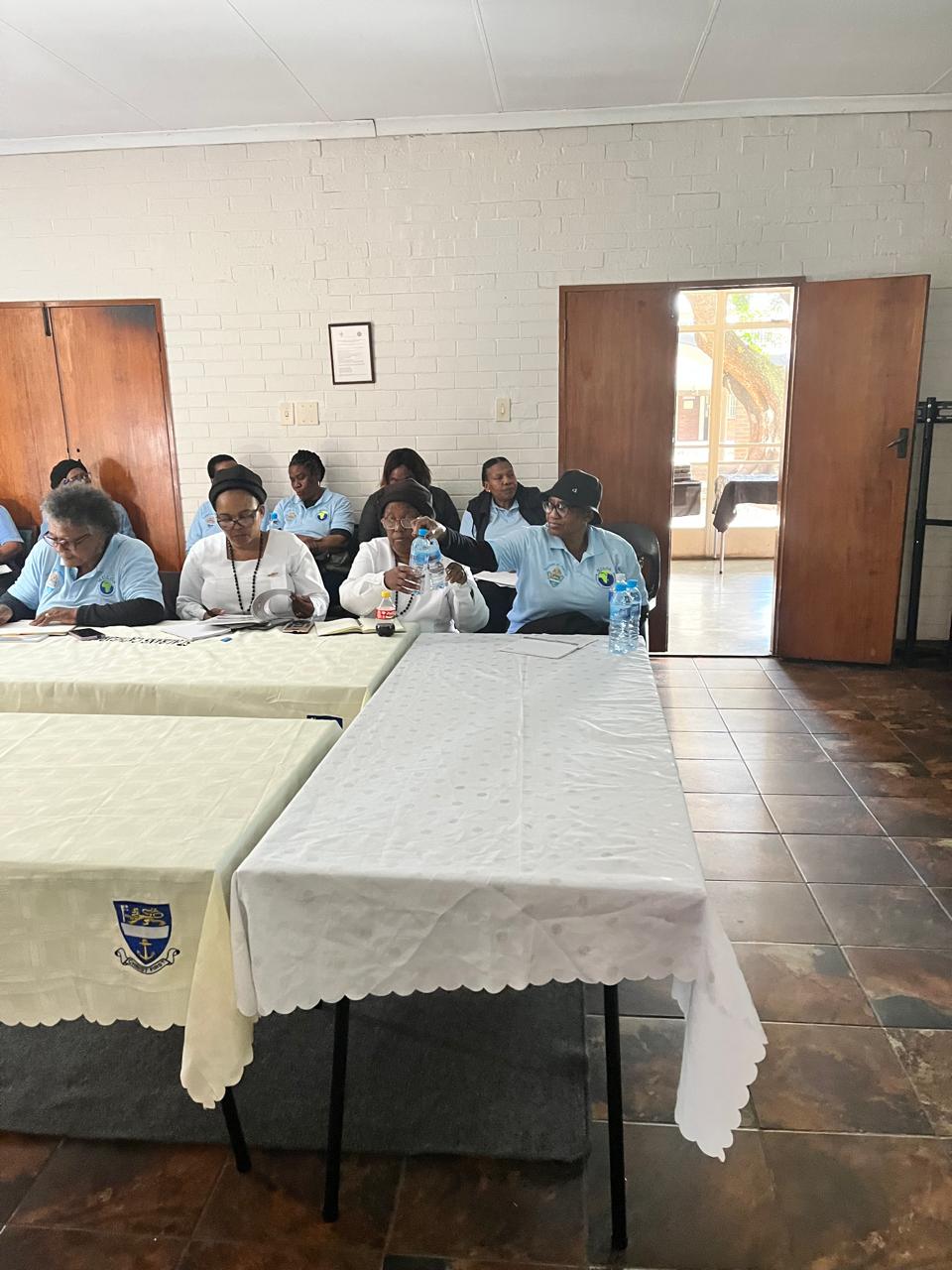
Twenty-eight members from all seven archdeaconries within the diocese registered for the programme, with 23 actively participating in four sessions conducted both online and in person.
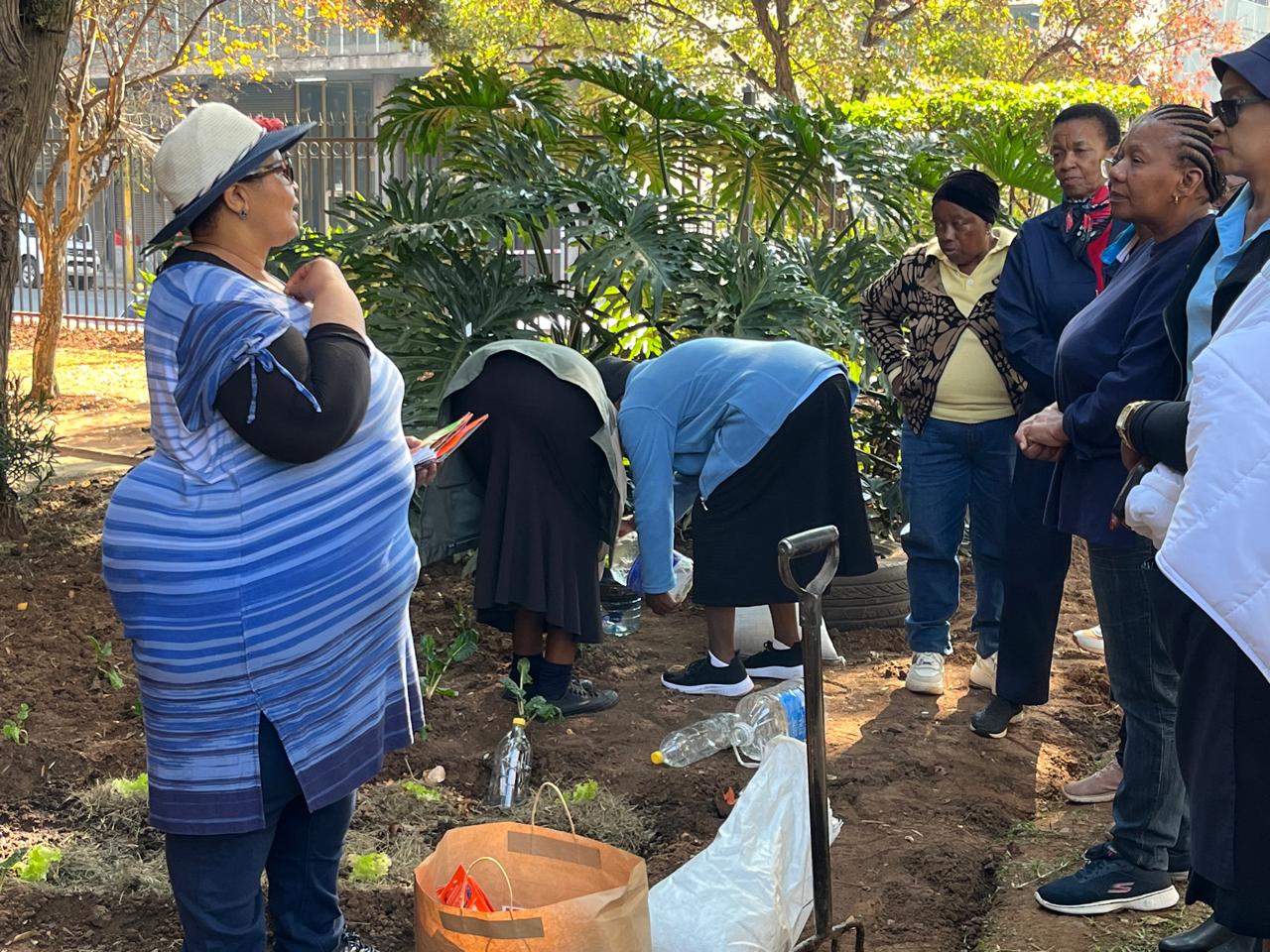
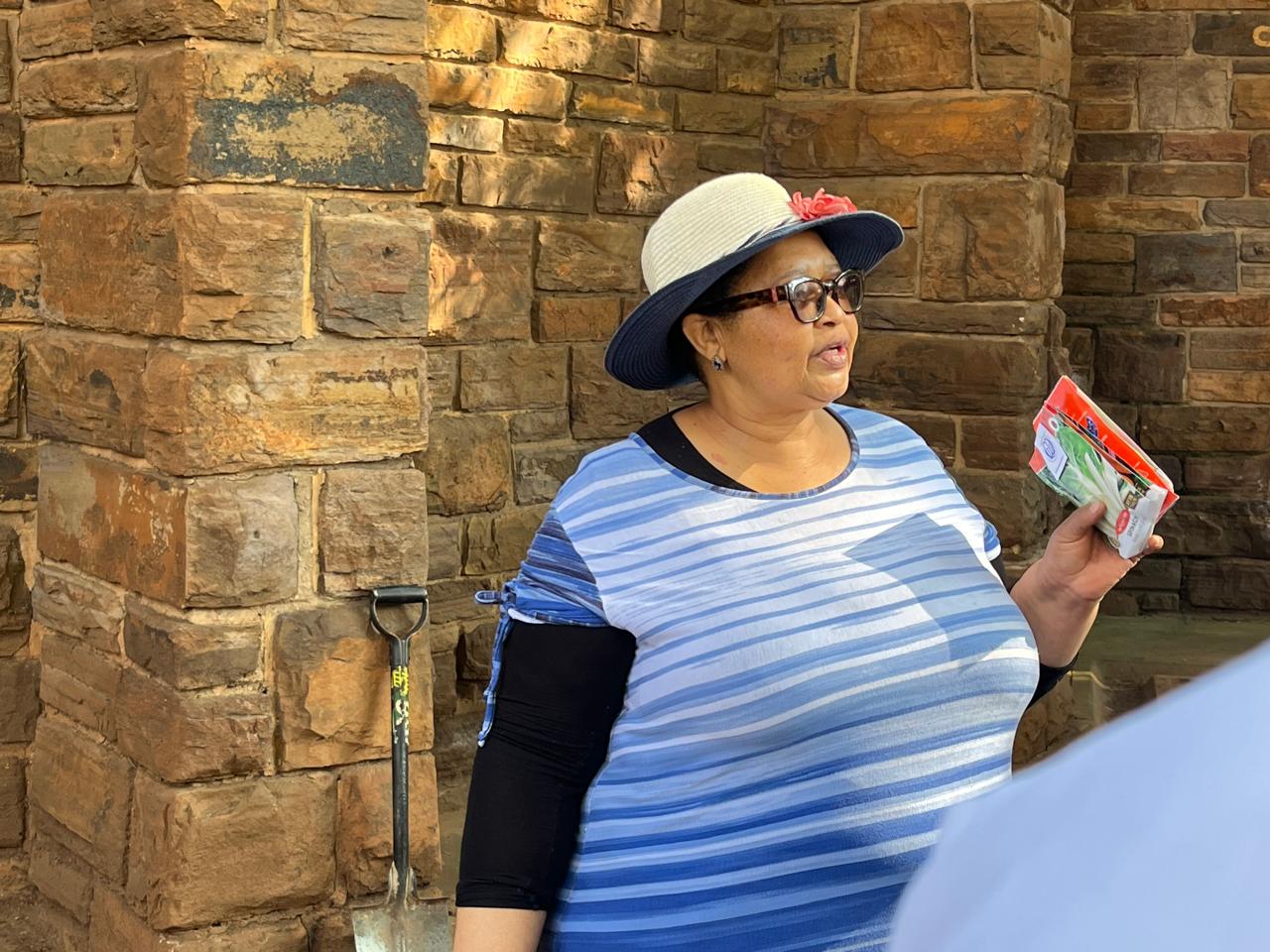
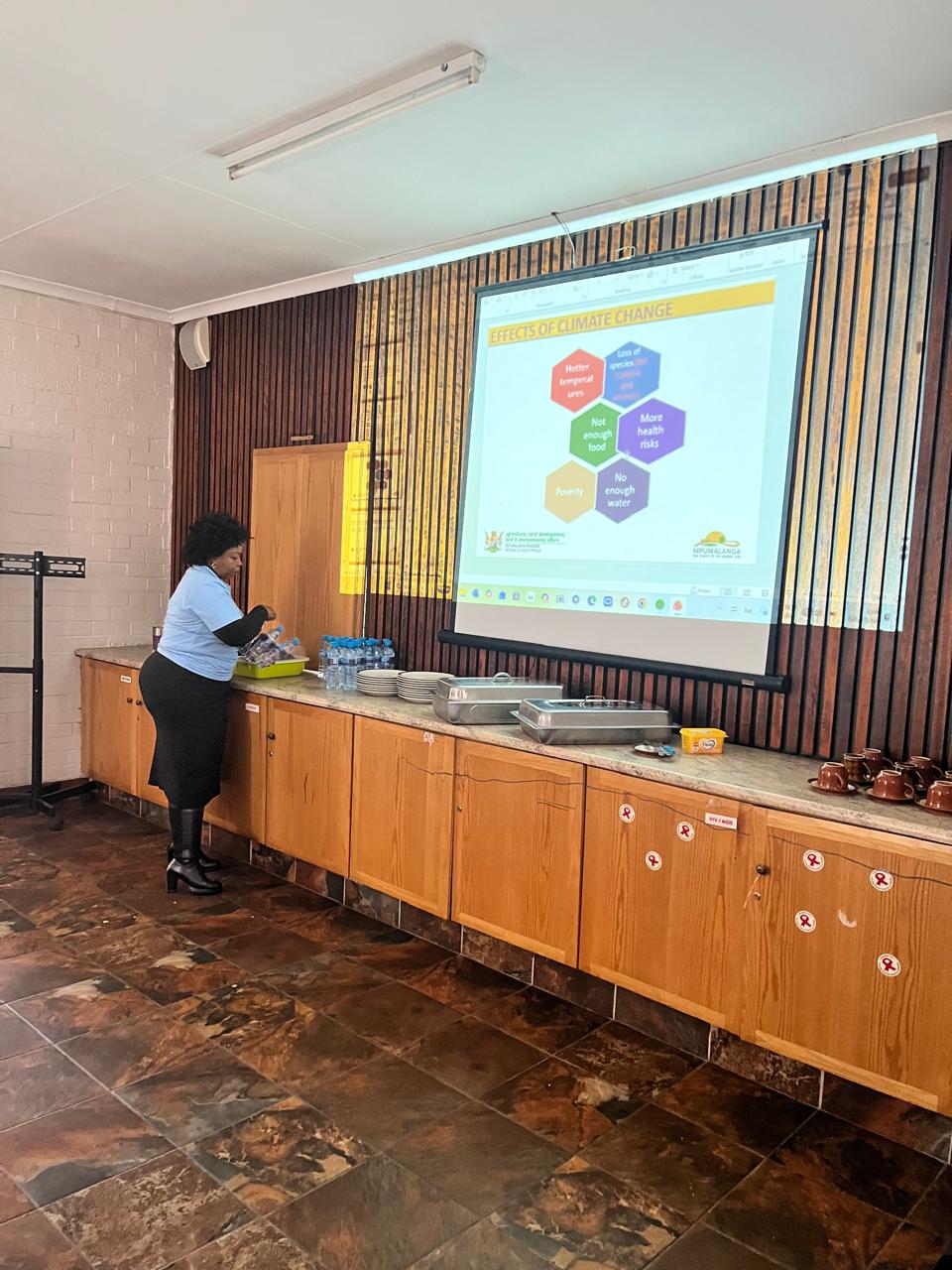
The training covered climate adaptation and mitigation, establishing vegetable gardens, composting, seasonal planting, crop classification, organic pesticides, and water-wise gardening techniques. Participants also received practical demonstrations on planting using recycled materials such as tyres, plastic bottles, and toilet rolls.
Special presentations were delivered by environmental specialist Ms Phumudzo Rathanya and crop production advisor Ms Martha Ramahuta, while practical composting demonstrations were led by Ms Martha Thupi.
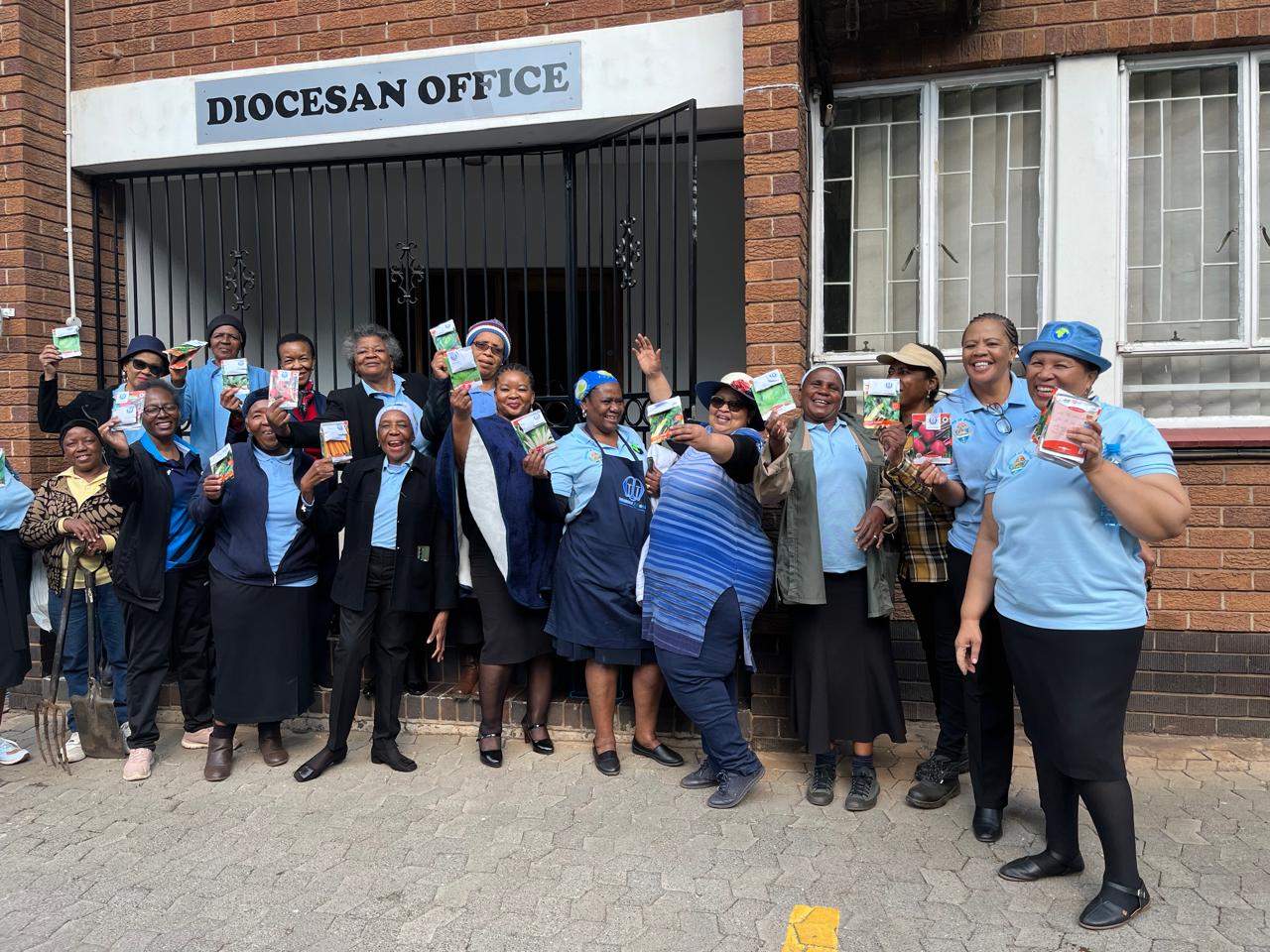
Each archdeaconry received seed packs, and participants were given vegetable seeds to begin gardening projects in their own homes and communities.
A key outcome of the workshop was participants’ commitment to establish or strengthen parish vegetable gardens to address poverty, support vulnerable households, and generate income for parish activities.
The Mothers’ Union Diocese President, Mme Leah Malete, and Canon Molly Motlhopi (Diocesan Green Anglicans Coordinator) attended all sessions and commended the initiative for empowering women to respond to both climate change and food insecurity.
Participants expressed gratitude for the valuable training, describing it as an important step towards building sustainable communities and caring for God’s creation.
By: Nomathemba Makam
 |
 |
 |
 |
 |
 |