News

Green Anglicans at SAFCEI FLEAT Workshop on Energy & Climate Justice

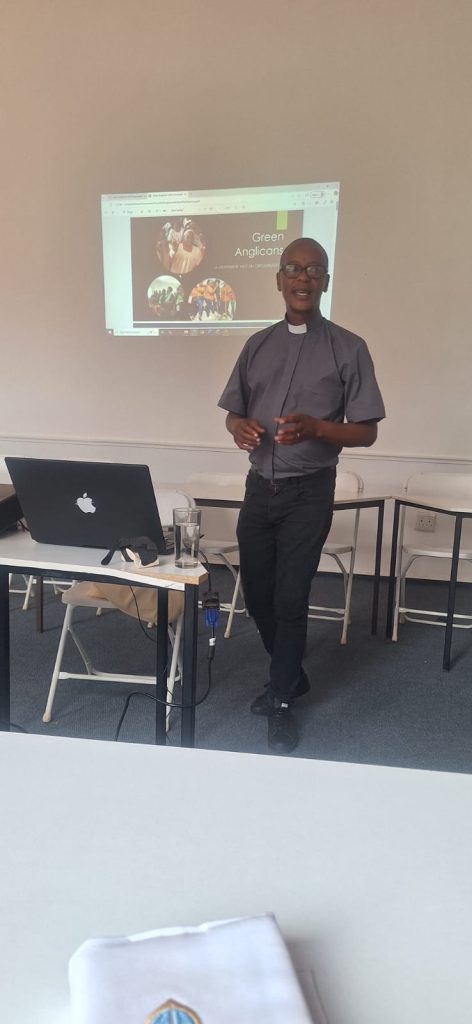
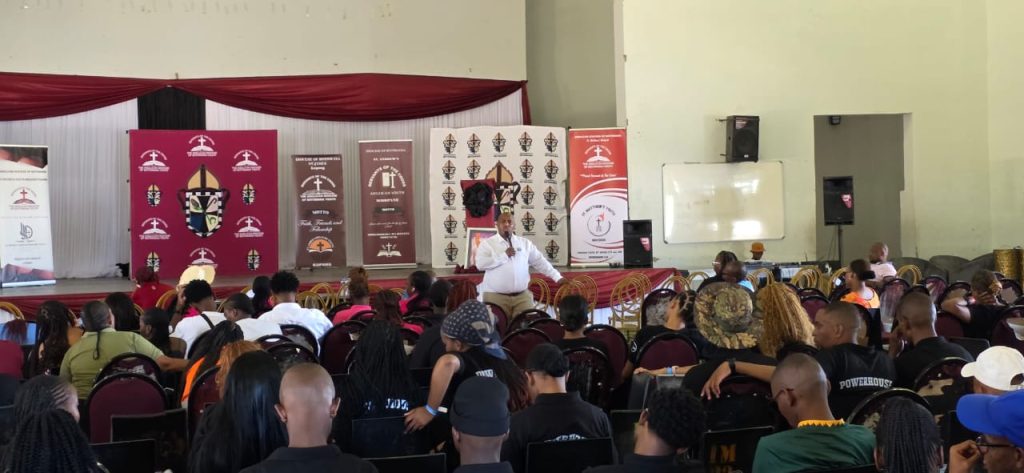
From the 18th to the 20th of March, Faith Leaders from across Southern Africa ( Eswatini, South Africa, Namibia, and Mozambique)  gathered at Schoenstatt Retreat Centre in  Cape Town for a Faith Leader Environmental Advocacy Training (FLEAT) Energy and Climate Justice workshop. The workshop brought together faith-based organizations, environmental activists, and policy experts; eight were Anglicans from both ACSA and IAMA Provinces. The leaders discussed the urgent need to transition to sustainable and equitable energy systems. This transition is not just a technical or economic issue but a moral and ethical imperative deeply rooted in our responsibility to care for creation and uphold justice for vulnerable communities. Faith and Environmental Stewardship Faith traditions across the world emphasize the sacredness of creation and the duty of stewardship. The workshop reinforced the importance of integrating faith-based perspectives into climate justice and energy transition discussions. As faith leaders, we must advocate for policies and practices that prioritize people and the planet over profit. This means challenging extractive industries that harm communities, advocating for renewable energy solutions, and ensuring that the transition to clean energy does not come at the expense of marginalized populations. Key Discussions and Insights The Urgency of a Just TransitionThe workshop highlighted that South Africa’s reliance on fossil fuels, particularly coal, has devastating environmental and social consequences. Air and water pollution, biodiversity loss, and climate change impacts are disproportionately felt by low-income communities. A Just Energy Transition seeks to move towards renewable energy sources while ensuring that workers and affected communities are not left behind. Community Engagement and ParticipationOne of the strongest messages from the workshop was the need for meaningful engagement with communities directly impacted by energy transitions. Faith leaders play a crucial role in bridging the gap between policymakers and grassroots movements, ensuring that decisions are made with the participation of those most affected. Ethical Investments and Divestment from Fossil FuelsFaith institutions manage significant financial resources. A key discussion was the role of ethical investments in promoting sustainability. Divesting from fossil fuel industries and investing in community-led renewable energy projects aligns with the moral obligation to protect the environment and uphold social justice. Energy Justice and InequalityThe transition must address historical injustices. Many communities in South Africa still lack access to reliable electricity, while others suffer the health burdens of living near coal mines and power stations. The workshop emphasized the need for policies that ensure affordable and sustainable energy access for all. Call to Action for Faith Leaders Faith communities have a unique ability to mobilize and inspire action. As faith leaders, we must: Advocate for policy changes that promote clean energy and protect vulnerable communities. Educate congregations on the impacts of fossil fuels and the benefits of renewable energy. Engage in ethical investments that align with sustainability and social justice. Foster interfaith collaboration to strengthen collective advocacy efforts. Conclusion The FLEAT workshop reinforced the urgency of faith-based action in Energy Justice. As both an environmentalist and a person of faith, I am committed to championing this cause. We must act now to ensure that the transition to a low-carbon economy is not only environmentally sustainable but also socially just. Through faith and action, we can build a future that honours both creation and community. By Tshegofatso Lekgetho

Green Anglicans at SAFCEI FLEAT Workshop on Energy & Climate Justice Read More »

Green Anglicans Environmental Awareness Workshop – Diocese of Mthatha

On March 21st, the Green Anglicans in the Diocese of Mthatha hosted an Environmental Awareness Workshop at the church of the Transfiguration in Nzwakazi, in the Archdeaconry of Misty Mount. The diocesan Green Anglicans Coordinators, Mr. Bonginkosi White, and Ms. Tuletu Ngudle, along with the Diocesan Chaplain, Revd. M. W. Mpumlwana, led discussions on environmental stewardship. Key topics included: Waste management Water conservation Sustainable kitchen gardens Soya bean cultivation, its products, and benefits Attendees also had the opportunity to taste soya-based products such as bread, scones, and biscuits. The workshop was well attended by representatives from all parishes within the Archdeaconry of Misty Mount. Revd. S. Nondonga from the Archdeaconry of Mzimvubu was also present and expressed keen interest in the Green Anglicans movement. As climate change continues to impact our communities, we encourage parishes and archdeaconries within the Diocese of Mthatha to invite the Green Anglicans team for similar workshops. Together, we can take action to mitigate environmental challenges and care for God’s creation. By: Mr. B. White    

Green Anglicans Environmental Awareness Workshop – Diocese of Mthatha Read More »

Diocese of Lesotho Hosts Dr. Ryan Weston from the Church of Canada

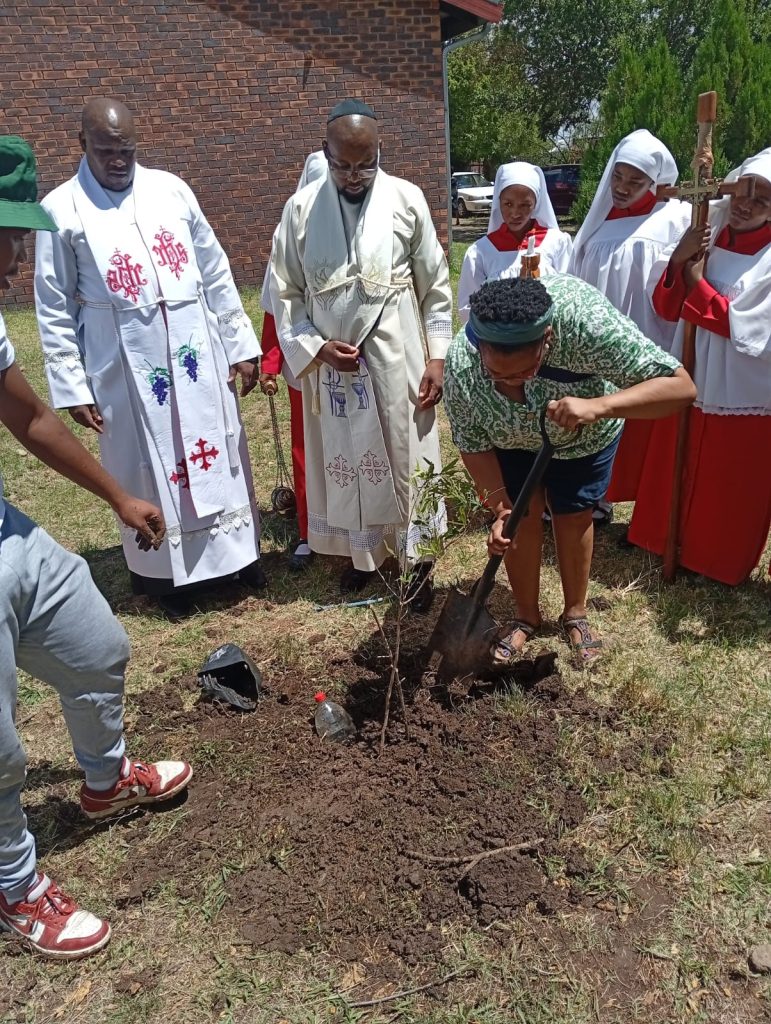
From February 11th to 12th, 2025, the Diocese of Lesotho had the privilege of hosting Dr. Ryan Weston, the Lead Animator Public Witness for Social and Ecological Justice from the Anglican Church of Canada. His visit aimed to observe and understand the church’s role in addressing climate change and other pressing social issues. Ryan’s first stop was at St. Agnes Mission, where he met with members of the Mothers’ Union engaged in recycling initiatives. These dedicated women showcased their work but expressed concerns about declining interest in their products, negatively impacting production and morale. The elderly women travel long distances to collect plastic materials for their crafts, yet their efforts face sustainability challenges due to limited market demand. The Mothers’ Union also introduced their school uniform sewing project. Where their vision is to supply all Anglican schools in Lesotho with school uniforms progress. On the environmental front, the Diocese has implemented a unique tree-planting initiative as part of confirmation services. Every confirmand is required to plant a tree and nurture it as a symbol of their faith journey. Ryan also went to the Mants’ase Children’s Home in Mohale’s Hoek, where the Mothers’ Union plays a crucial role in supporting vulnerable children. The home provides shelter and care for children who have experienced abuse, neglect, and other hardships, including those living with HIV, cancer, or who are orphaned. The children receive education, medical care, and necessities through the home’s efforts. The Diocesan Mother’s Union hopes that Ryan’s visit will provide valuable insight into his research on the church’s response to both environmental and social justice. By : Mme M. Letlotlo

Diocese of Lesotho Hosts Dr. Ryan Weston from the Church of Canada Read More »

Mother’s Union Celebrates World Water Day

March was filled with grand celebrations and water awareness activities across the Anglican Church of Southern Africa, as the Mother’s Union Diocesan Eco-Champs actively observed World Water Day. Through various events, they emphasized the importance of water conservation and responsible stewardship of natural resources. The first event took place on March 6th at St. Timothy in the Diocese of Pretoria, where Mother’s Union members conducted Water Month awareness activities with Sunday school children. The objective was to instill knowledge and encourage young learners to take responsibility for protecting water resources. The children were divided into groups, given different pictures, and challenged to present on water conservation to the congregation, fostering interactive learning and engagement. Continuing the observance, the Mothers’ Union from the Diocese of Christ the King, alongside Revd. Agnes Makume, took the initiative on March 23rd to educate the congregation of St. Augustine on water preservation. Their efforts highlighted the critical role of faith communities in advocating for sustainable water use. The Diocese of Matlosane also marked World Water Day on March 23rd with a ‘Saving a Drop of Water’ awareness campaign at the Parish of St. Augustine in Zeerust. Eco-Champs delivered talks around the theme “Water is Life,” reinforcing the necessity of mindful water usage and conservation. To conclude the celebrations, the Mothers’ Union from the Diocese of Port Elizabeth gathered at St. Matthias in Motherwell as part of Lady Day observances. They took to the streets for a traditional procession of witness, carrying placards with water conservation messages. During the Eucharist service, special prayers were dedicated to water, underscoring its sacred and essential role in daily life. Through these collective efforts, the Mothers’ Union reaffirmed its commitment to environmental stewardship, ensuring that future generations understand the value of preserving water as a vital resource.

Mother’s Union Celebrates World Water Day Read More »

Farming God’s Way: Diocese of Johannesburg Mothers Union

Nine Mothers Union members from six different parishes across the Diocese of Johannesburg took part in the three-day Farming God’s Way course held at Mulderdrift in Rooderpoort Johannesburg. The mothers were reminded of the profound connection between our faith and the land we cultivate. One key takeaway was the importance of prayer in all aspects of our lives. Mothers learned to first ask God to bless the soil we will be planting in, recognizing that our efforts are rooted in His creation. Participates discussed the principle of working in harmony with what God designed. For instance,  learning that turning the soil upside down disrupts the delicate balance that exists within it. The topsoil and subsoil have distinct characteristics, and disturbing them can lead to a decline in soil health and productivity. By respecting this natural order, we can have a thriving garden that yields bountiful fruits and vegetables. During the training, participants also learned different techniques like how to grow healthy produce without relying on chemical pesticides or synthetic fertilizers. Instead, we can harness God’s natural resources, such as fallen leaves, cow manure, and wood ash. These organic materials enrich the soil and promote sustainable growth, aligning with our belief in serving a God who created a perfect system of interdependence in nature and also reflecting on the importance of order in our gardening practices.  Farming God’s way is a simple yet profound approach that allows us to truly partner with God in creation. Each day brings new insights into God’s mysteries and the wonders of His creation. In conclusion, our journey into Farming God’s Way is not just about growing food; it is a spiritual practice that deepens our relationship with God and the environment. “As members of Mothers Union in Johannesburg, we are grateful for the opportunity to learn and grow together as a community, committed to nurturing the land in a way that honours our Creator; a big thank you for the opportunity to share our experiences and insights,” said the ladies who attended the course.

Farming God’s Way: Diocese of Johannesburg Mothers Union Read More »