
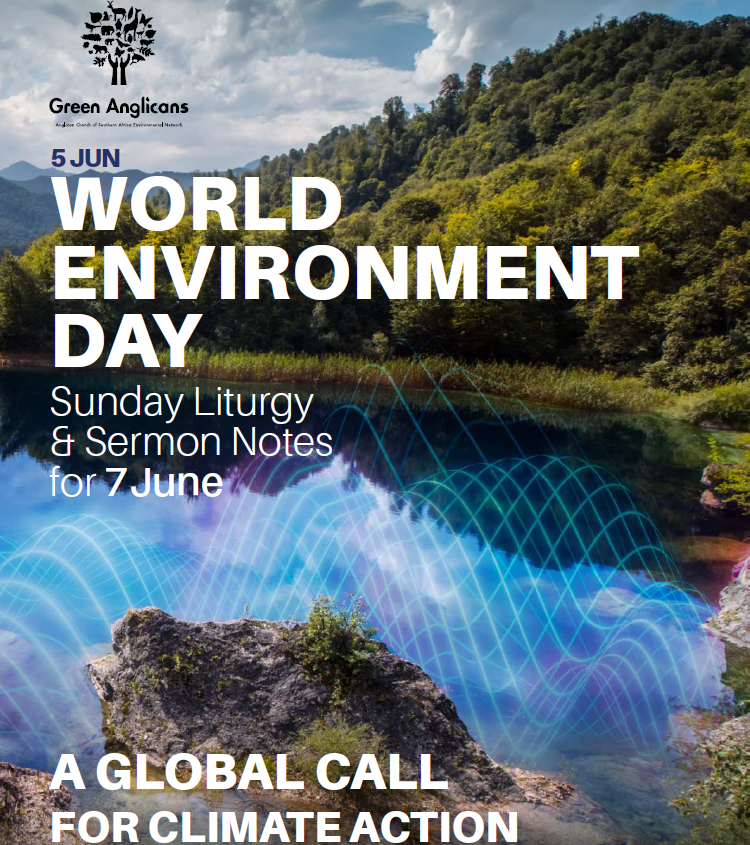
World Environment Sunday : A call to Climate Action
Please find materials for World Environment Sunday – 7th of June Sermon and liturgy Materials for youth and children
World Environment Sunday : A call to Climate Action Read More »

Please find materials for World Environment Sunday – 7th of June Sermon and liturgy Materials for youth and children
World Environment Sunday : A call to Climate Action Read More »

Unprecedented since 1983, the adoption of a new feast for trial use in the ‘Revised Common Lectionary’ marks a historic milestone in Christian ecumenism and liturgical attention to the doctrine of Creation. The ‘Feast of Creation in Christ’ is a fruit of nearly four decades of ecumenical celebrations inspired by an ancient Eastern Orthodox tradition, developed further through a multi-year theological process of various Christian global bodies. Creation of the world in 13th-century Bible Moralisée (Codex Vindobonensis 2554). Credit: Wikimedia, Österreichische Nationalbibliothek. The Consultation on Common Texts (CCT) has officially adopted the festival of ‘Creation in Christ’, also known as ‘Feast of Creation’, by adding it to the Revised Common Lectionary (RCL) for a three-year period of trial use. As the lectionary shaping the calendar of many Anglican and Protestant churches, this is a historic breakthrough in Christian ecumenism given its inspiration in the Eastern tradition. The enhanced version of this feast, which will begin to be celebrated in September 2026, is the fruit of a theological process with the participation of various Christian global bodies in recent years. By expanding the feast’s theological symbolism with a rich set of biblical readings, this proposal elevates the doctrine of creation to a more prominent position within Christian worship, filling a gap in the liturgical calendar of churches who previously did not celebrate Christ’s role in the creation of the world. The announcement marks the first addition of a new feast to the common lectionary since its release in 1983, when two new observances were adopted — the festivals of the Baptism of the Lord and Christ the King, also known as Reign of Christ — inspired by Roman Catholic practice. This new festival of ‘Creation in Christ’ is inspired by another tradition: that of the Eastern Orthodox church, for whom September 1 is a liturgical feast since the 8th century. Given its ancient symbolism as the day marking God’s creation of the world, the Eastern Orthodox invited “the entire Christian world” in 1989 to celebrate this observance together in view of the ecological crisis. Since then, Ecumenical Patriarch Bartholomew has been a vocal advocate of the annual celebration of the Feast of Creation, or ‘Creation Day’ as it is also known, with WCC and many churches adopting the day of prayer throughout the decades. Now, following scriptural recommendations from an ecumenical working group, the Consultation on Common Texts has taken it one step further by expanding its theological symbolism and adding the feast to the common lectionary that shapes the liturgical calendar of many Anglican and Protestant churches. Bishop Heinrich Bedford-Strohm, who chairs the Feast of Creation ecumenical process, said: “The official adoption of the ‘Feast of Creation in Christ’ in the Revised Common Lectionary is a huge milestone, a truly historic step in the journey towards Christian unity. We rejoice in seeing how an ancient tradition of the Eastern Orthodox church has inspired a major group of Western churches to adopt this festival in their liturgical calendars. It is theologically profound, liturgically sound, pastorally urgent, and ecumenically unprecedented.” Materials released by the Consultation on Common Texts include biblical texts that will be used in liturgical celebrations of the festival, as well as theological reports by the ecumenical committee that outline the feast’s theological themes. These themes span a theological spectrum beginning with the act of creation of the universe as a Christological and Trinitarian mystery, extending to the sacredness of the natural world, which is regarded as revelatory of God and is nowadays desecrated by human abuse. Biblical readings and details are available at www.bit.ly/readings-feast-creation. The festival’s title, grounded in the expression “Creation in Christ”, signals that Christ’s role in the act of creation is the starting point for this celebration in line with the Christological nature of liturgical calendars of Christian traditions. This central Christian doctrine is iconically expressed by the opening lines of the Gospel of John: “In the beginning was the Word… All things came into being through him.” The new festival translates the foundational place of this tenet into adequate expression in the liturgical year, reverting its prior absence and enriching the calendar’s Christological span. This announcement is the fruit of several years of ecumenical collaboration and academic conferences in Assisi with liturgical scholars, theologians from other disciplines, and church leaders exploring the potential of this ancient feast and seeking to restore the centrality of creation theology in the Christian tradition. The process was anchored in and inspired by the recent commemorations of the 1700th anniversary of the Council of Nicaea. Observed annually on the first Sunday of September, the inaugural celebrations of the festival of Creation in Christ will be aided by the RCL lectionary readings and various materials published at the website www.FeastOfCreation.com. Resources:
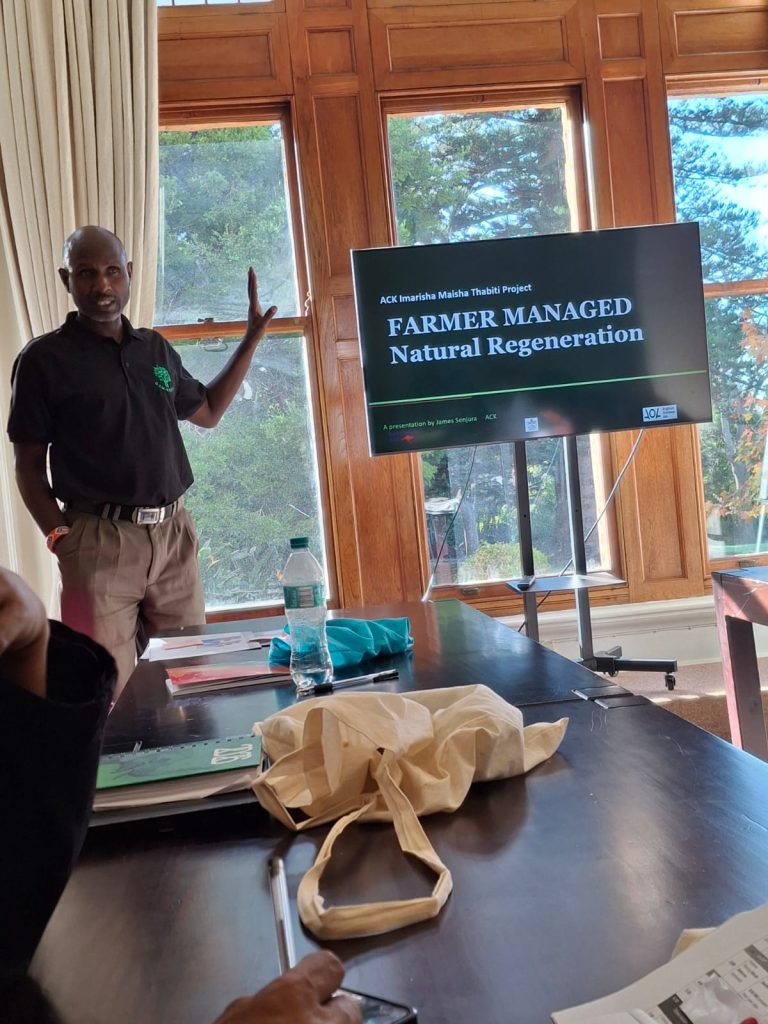
“At least there is hope for a tree: if it is cut down, it will sprout again, and its new shoots will not fail. Its roots may grow old in the ground and its stump die in the soil, yet at the scent of water it will bud and put forth shoots like a plant.” — Job 14:7–9 The Green Anglicans movement is embracing Farmer Managed Natural Regeneration (FMNR), a simple yet transformative approach to ecological restoration. At a recent gathering of Anglican partners hosted by Anglican Overseas Aid, James Senjura from the Anglican Church of Kenya introduced partners to this life-giving technique. The partners came from South Sudan, South Africa, Kenya, Uganda, Mozambique and Ethiopia. Instead of planting new trees, FMNR encourages farmers to protect and manage the natural regrowth of trees and shrubs from existing root systems, seeds, and living stumps already present in the soil. This simple but powerful method has restored millions of hectares of degraded land, especially across Africa. FMNR works by selecting healthy shoots that emerge naturally from old stumps or roots and carefully pruning them to encourage strong growth. Farmers then protect these trees from fire, overgrazing, and unnecessary cutting. As the trees mature, they improve soil fertility, reduce erosion, increase water retention, and provide shade for crops and livestock. Trees also provide fuelwood, fodder, fruits, and building materials, creating additional sources of income for families. One of the greatest strengths of FMNR is that it empowers local communities. Farmers use their own knowledge and resources, making the approach affordable, sustainable, and deeply rooted in local practice. In regions affected by drought and climate change, FMNR has strengthened food security and resilience by restoring ecosystems and improving agricultural productivity. FMNR also contributes to addressing the global climate crisis. Restored trees capture carbon dioxide, support biodiversity, and revive damaged landscapes. By working with nature rather than against it, FMNR demonstrates how simple environmental practices can bring social, economic, and ecological healing. Churches across northern Kenya and Zambia are already using the technique and seeing harvests increase. The Anglican Church of Zimbabwe is going to be working with Foundations for Farming to promote the technique In Southern Africa, the Green Anglicans will partner with World Vision Southern Africa to roll out training in this simple but significant practice. The idea was initially brought to World Vision by Tony Rinauldo, who saw it successfully used in extremely dry regions of West Africa where tree growing once seemed impossible. He later shared this story in his book The Forest Underground, a message of hope for a planet in crisis. Across Africa, lands have been denuded and forests cut down, yet the forest still lives underground. May the stumps live again for the healing of the nations.
“Living Stumps” – FMNR Takes Root! Read More »
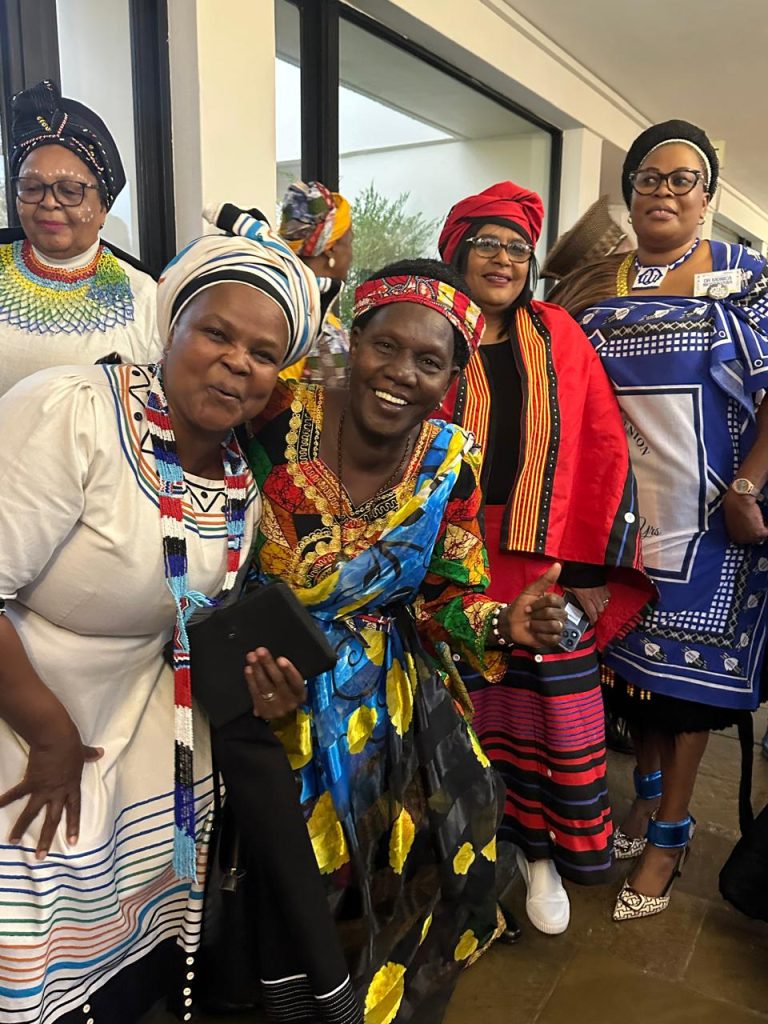
The Mothers’ Union in the Anglican Church of Southern Africa is proving that faith communities can play a powerful role in responding to the climate crisis. In 2024, the MU in ACSA launched a groundbreaking initiative by passing a resolution that every Diocese should appoint an Eco Champ — women and leaders committed to inspiring environmental action, resilience, and care for creation in their local communities. This vision came alive as Eco Champs from South Africa, Eswatini, Namibia, Lesotho, and Botswana gathered in Cape Town for an inspiring and deeply meaningful conference focused on climate justice, adaptation, and community transformation. The conference opened with a powerful Eucharist service led by Rev Maria Van Staaden, grounding the gathering in prayer, worship, and a shared commitment to God’s creation. The sessions throughout the conference reflected both the urgency of the climate crisis and the hope found in collective action. Topics included: A major focus of the conference was the increasing reality of climate disasters across the region. Participants heard sobering stories from communities affected by floods and extreme weather in Mthatha, Limpopo, and Mpumalanga. A presentation from Gift of the Givers highlighted both the devastating human impact of disasters and the importance of rapid, compassionate response. The gathering was honoured by the presence of Provincial President Mme Meisie together with executive member Mama Anastasia, whose encouragement inspired participants to continue leading courageously in their dioceses and communities. There was also great joy in welcoming Mama Harriet from the Province of South Sudan, reminding everyone of the strength of regional and global Anglican partnerships. We pray that the vision of MU Eco-champs may spread to other countries! But the conference was not only about learning. It was also about fellowship, laughter, and celebrating life together. Delegates enjoyed a cold but beautiful visit to the beach, shared a memorable fish supper, and ended with a vibrant cultural evening joined by partners from South Sudan, Uganda, Kenya, and Mozambique. The Mothers Union Eco Champs initiative is already changing lives — equipping women to lead climate action in churches and communities, strengthening resilience, and nurturing hope for future generations. In a time of growing environmental challenges, these Eco Champs are becoming beacons of faith, courage, and transformation across Southern Africa. We are grateful for the support of the Anglican Overseas Aid for this wonderful conference
Mothers Union Eco Champs Are Changing Lives Read More »
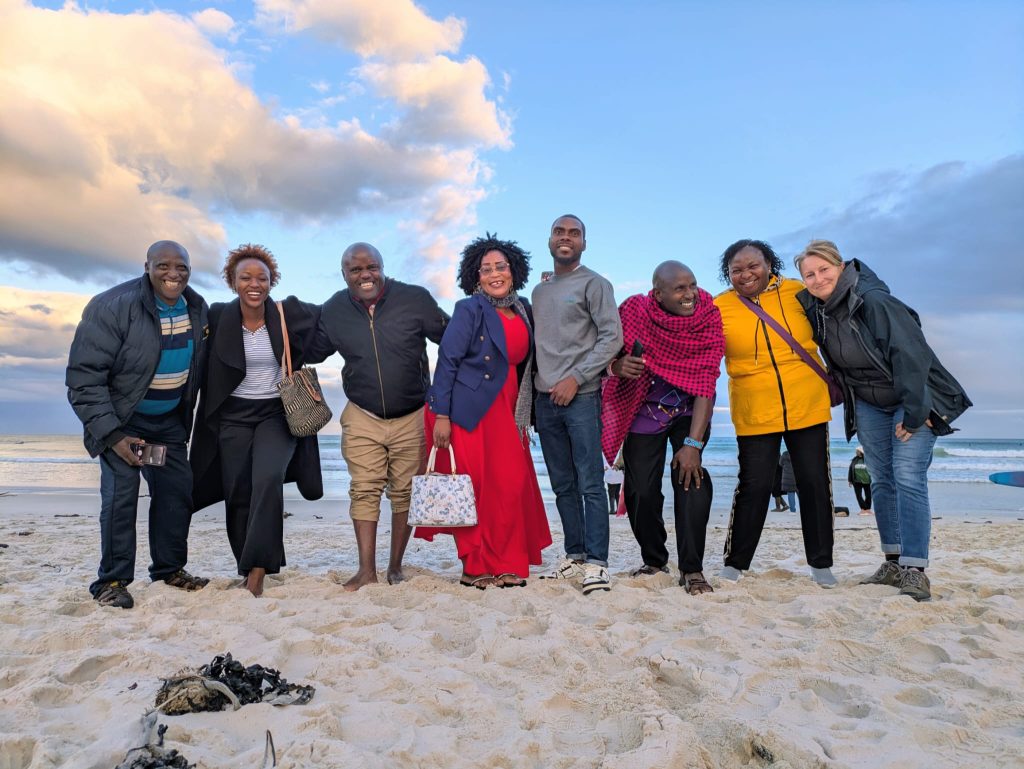
Representatives from projects in South Sudan, Kenya, Mozambique, Uganda, Ethiopia and South Africa gathered for a wonderful Partners’ Learning Forum – a week of peer learning, worship, inspiration and fellowship hosted by Anglican Overseas Aid. The Forum created a space where Anglicans from across Africa could share experiences, deepen relationships and strengthen our shared commitment to climate justice, disaster preparedness and care for creation. The first part of the workshop connected participants with the Anglican Church of Southern Africa Mothers’ Union Eco Champs programme, which proved to be a tremendous inspiration. Together we shared a beautiful Eucharist, celebrated our different cultures during a joyful cultural evening, and reflected on how faith communities can respond creatively and courageously to the climate crisis. Throughout the week we explored the beauty of God’s creation together — from the beach to the magnificent Kirstenbosch National Botanical Garden. We enjoyed wonderful fish from the ocean. These moments reminded us why protecting our common home is both a spiritual calling and an urgent responsibility. The programme included a rich range of learning opportunities. Shelter Mushipe shared important insights on gender and climate justice, while Micah DeKorne led an engaging session on photographic skills and storytelling. Rev. Rachel facilitated sessions on ecotheology and biblically grounded environmental campaigns, helping participants connect scripture, discipleship and environmental action. One of the most meaningful aspects of the gathering was hearing participants share their “most significant changes” — stories of transformation, resilience and hope from communities across the continent. We also learned about the history of the Green Anglicans movement, the Communion Forest initiative, and the global Season of Creation. James Senjura from the Anglican Church of Kenya introduced us to Farmer Managed Natural Regeneration “Living Stumps” , while Wise Life Choices facilitated important discussions on population and the environment. Bino Makhalanyane shared the Sunday School resource Ryan the Rhino, equipping churches to nurture environmental awareness among children. Our field day brought learning into action. Participants visited the Philippi Horticultural Area where we learned about protecting farmland from development and planted trees together. We also engaged with climate advocacy efforts led by the African Climate Alliance, hearing from Solly Nyezi about campaigns against new fossil fuel projects. At the coast, Liz McDaid from The Green Connection shared work to protect the oceans from oil and gas exploration. Above all, the week was filled with worship, laughter, singing, learning and friendship. Together we recommitted ourselves to care for God’s creation as one family, united in faith and hope for a more just and sustainable future. A heartfelt thank you to Anglican Overseas Aid and the people of Australia for making this wonderful gathering possible. Photo credit : Elspeth Kernebone
African Partners Unite for Climate Action Read More »
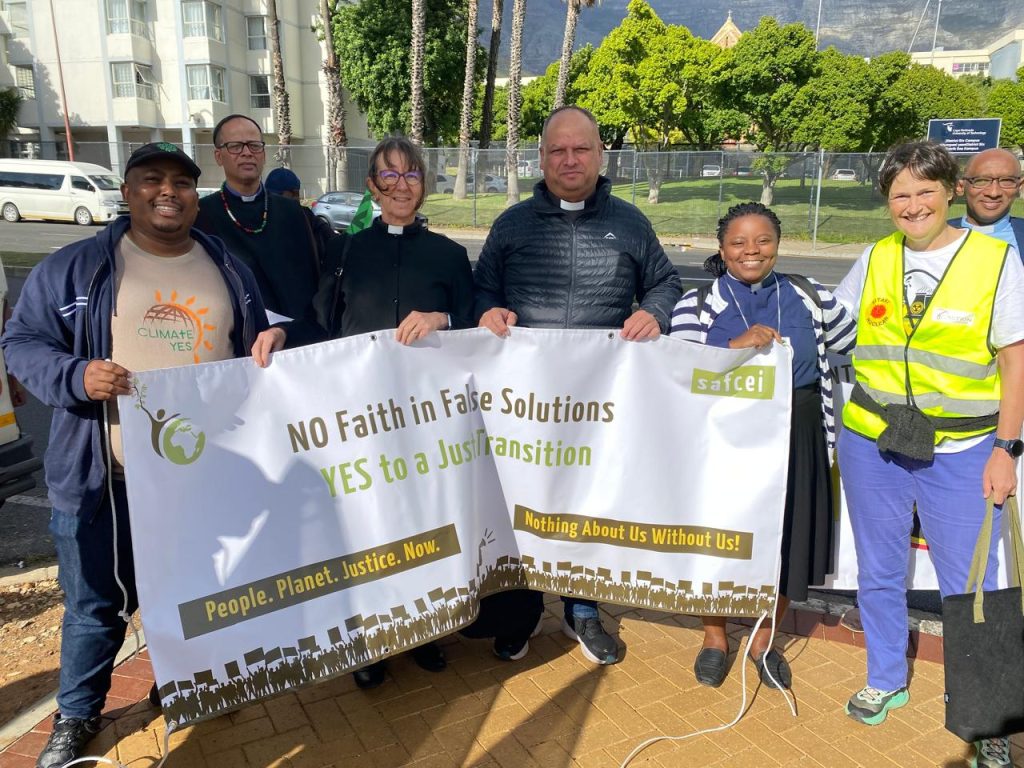
On Earth Day 2026, the theme “Our Power, Our Planet” came alive not just in words, but in movement. In Cape Town, over 500 people took to the streets, marching to Parliament under a shared banner: #NoFaithInFalseSolutions. What unfolded was more than a protest—it was a visible, collective call for a different future. Civil society came together in remarkable unity. Faith-based organisations stood alongside environmental justice movements, community groups, and youth activists. Their message was clear: the time for half-measures and harmful detours is over. South Africa needs urgent, people-centred climate action and a truly just transition—one that protects both people and the planet. At the heart of the march was a rejection of what activists describe as “false solutions.” These include new oil and gas developments, so-called “clean coal,” and carbon capture schemes. While often presented as pathways forward, these approaches risk deepening inequality, entrenching environmental harm, and delaying the rapid transition that the climate crisis demands. The urgency of the crisis is not abstract. It is lived daily. As Lisa Makuala of The Green Connection reminded the crowd, “37% of South Africans live below the poverty line. It remains unfair for vulnerable communities to have to choose between buying bread and affording electricity.” Climate justice, therefore, cannot be separated from economic justice. The call is for a Just Transition—one that prioritises affordable, decentralised renewable energy and safeguards the dignity and rights of those most affected by rising costs and deepening food insecurity. The march was convened by a broad coalition, including SAFCEI, Fossil Free South Africa, Africa Climate Alliance, The Green Connection, Natural Justice, the South Durban Community Environmental Alliance, Project 90 by 2030, and Extinction Rebellion Cape Town. They were joined by partners such as Green Anglicans, Greenpeace Africa, Beauty Without Cruelty, and many others. Together, they embodied a growing national movement—diverse, determined, and rooted in both justice and hope. At Parliament, organisers handed over a joint memorandum to a Member of Parliament, calling for accountable leadership, inclusive climate policies, and real solutions. The memorandum emphasised that many of the so-called solutions currently being advanced by government and industry fail to consider their true social and economic impacts—and may not even meaningfully reduce emissions. Among the voices raised was Rev Rachel Mash of Green Anglicans, who grounded the climate crisis in everyday realities: “Paraffin prices have risen and many families battle to cook hot food in this cold weather. Taxi fares have gone up—and many are struggling to make ends meet at the end of the month. All because of a war in the Middle East. If your fuel comes on a ship, then you are not a sovereign nation. God has given us sun and wind—let us use them and speed up the transition away from fossil fuels so that we can fight energy poverty in our communities. Let us roll out training in renewables in every TVET college across the country.” Her words point to a deeper truth: energy is not only an environmental issue, but a matter of justice, sovereignty, and human dignity. Renewable energy offers not just a cleaner future, but a fairer one—if implemented with intention and inclusion. This Earth Day, the streets of Cape Town told a story of courage and conviction. A story of people refusing to accept false promises, and instead demanding real, transformative change. The message echoed beyond the march itself: Our power. Our planet. No more false solutions. For more on the memorandum handed to Parliament, see: https://tinyurl.com/3weeh6m9
Earth Day 2026: Our Power, Our Planet — No Faith in False Solutions Read More »