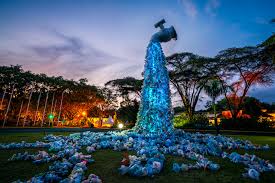
We call the oceans the “lungs of the Earth” because of phytoplankton—tiny, microscopic plants that drift near the ocean’s surface. Through photosynthesis, they absorb carbon dioxide and release oxygen, producing over half of the world’s oxygen supply. As they grow, they draw carbon from the atmosphere, and when they die or are eaten, much of this carbon sinks to the deep ocean for long-term storage.
Today, phytoplankton are increasingly at risk from plastic pollution. Microplastics block sunlight, reducing their ability to photosynthesise, while chemicals leaching from plastics impair their growth and reproduction. Because phytoplankton are the base of the marine food web and essential for global oxygen production, plastic pollution threatens both ocean health and climate regulation.
Anglican representatives are attending UNEA-7, the UN Environment Assembly—the world’s highest-level decision-making body on environmental issues. UNEA addresses pollution, biodiversity, chemicals, oceans, climate, and more, bringing together all 193 UN Member States to set global environmental policy.
One of the major challenges is that UNEA decisions are made by consensus, meaning all countries must agree. This often leads to slow progress and watered-down resolutions when even one or two states block ambition.
Two important resolutions have been passed that affect ocean health. One concerns protecting the ocean from sargassum seaweed blooms which are Sargassum seaweed blooms are massive mats of floating brown algae that wash ashore, disrupting ecosystems, harming tourism and fisheries, releasing toxins, and signalling changing ocean conditions driven by climate and nutrient pollution.
The other second resolution refers to improving the climate resilience of coral reefs.
Very sadly a resolution regarding protecting the deep seabed from deep sea mining was weakened to such a point that the country of Vanuatu that brought the resolution withdrew it.
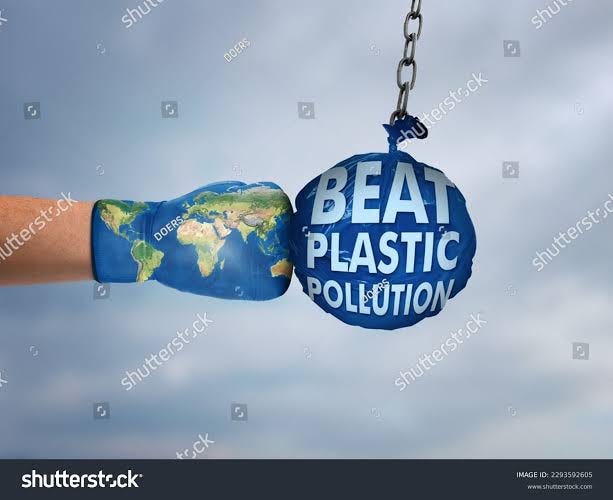
In 2022, UNEP passed a landmark resolution to develop a global, legally binding treaty on plastic pollution, aiming to do three things:
- Cap plastic production (“turn off the tap”),
- Eliminate harmful chemicals, and
- Strengthen waste management and recycling through a circular economy approach.
Negotiations for this treaty—conducted through the Intergovernmental Negotiating Committee (INC)—have been ongoing for several years. The main stumbling block is the proposed production cap, which faces strong resistance from petro-states and their allies who view plastics as an economic buffer against declining fuel demand due to electric vehicles.
I was invited to a closed meeting with African plastic negotiators, organised by WWF, and gained key insights: countries are sharply divided between those favouring “business as usual” (reducing the treaty to waste management only) and the high-ambition countries pushing for production limits. The talks are now at an impasse, and a new INC chair will be elected in early 2026. Please pray for a breakthrough and the right leadership.
There are, however, signs of hope. Civil society is energised through campaigns like Break Free From Plastic (https://www.breakfreefromplastic.org/
Do sign up and lend your voice!
UNEP has also launched the Global Plastics Hub, a groundbreaking platform offering data, knowledge, and stories from around the world. You can register to access resources and share your own experiences—faith-based materials would be a wonderful addition.
At the “Gala of Hope,” celebrating the UN World Restoration Flagship Awards, UN Patron of the Oceans Lewis Pugh announced the award to the Reef Builder Project, explaining that shellfish act like the kidneys of the ocean—filtering and cleaning pollution. This inspiring Australian initiative—led by The Nature Conservancy with government and Indigenous partners—restores native oyster and mussel reefs, boosting biodiversity, supporting jobs, and strengthening coastal resilience. It shows that large-scale marine restoration is possible.
Change is possible. Let us protect the oceans—the lungs of the Earth.
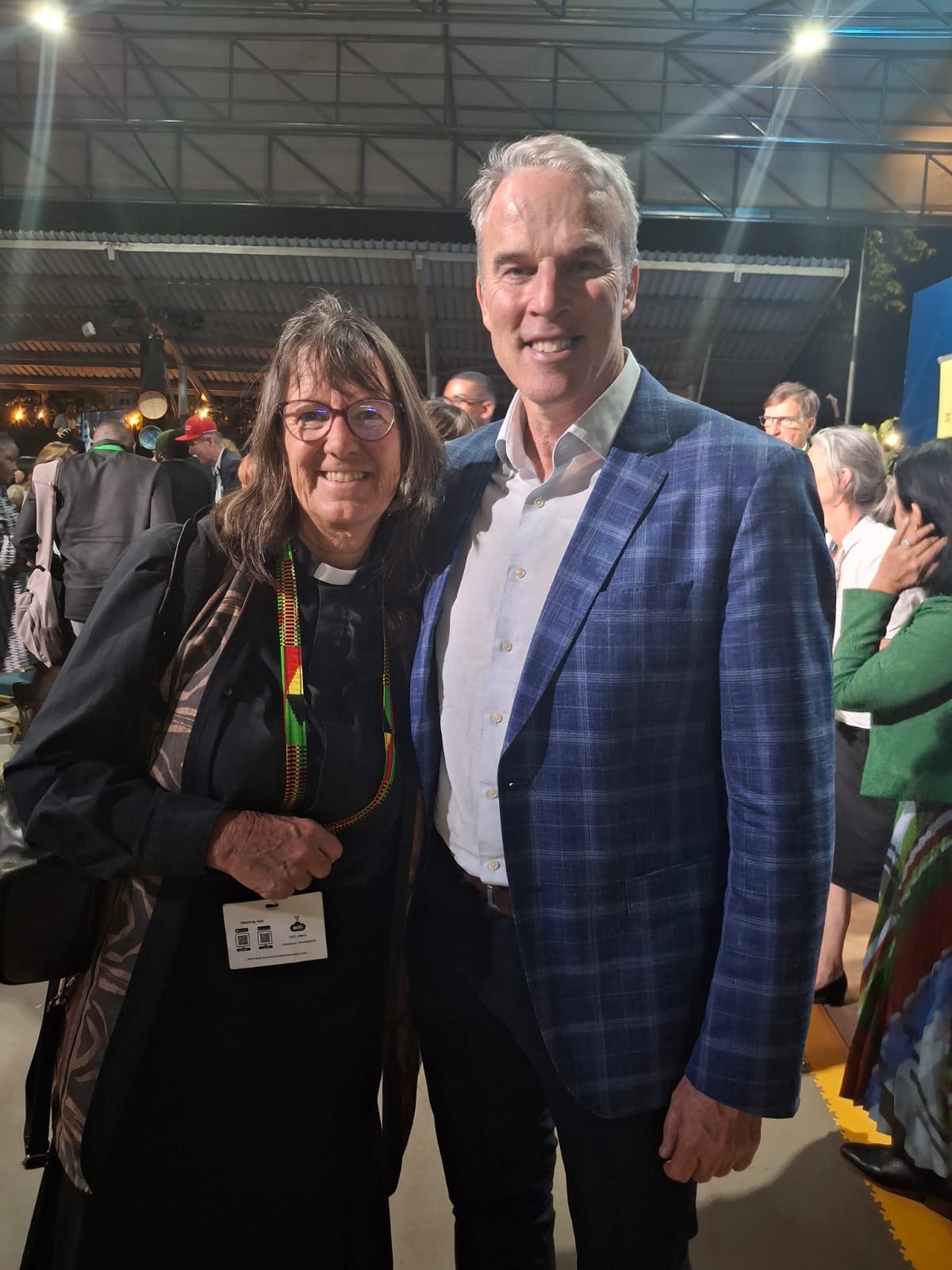
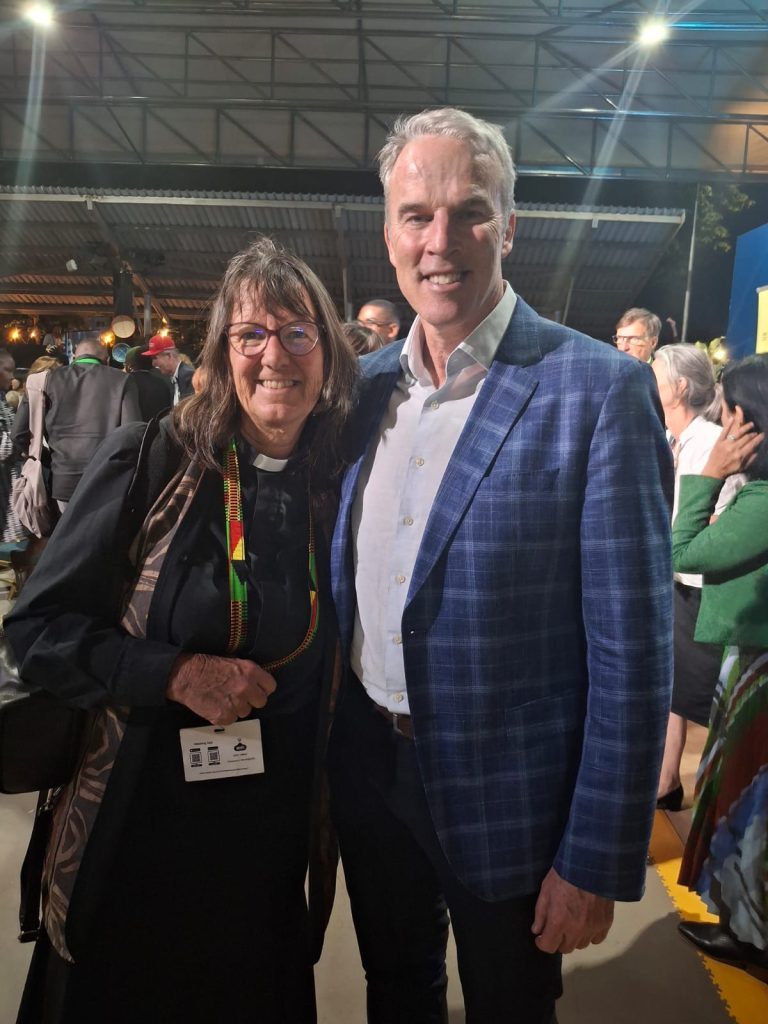
Photo: Rev Rachel Mash with Lewis Pugh, UN Patron of the Oceans.